


of the 5th International Scientific and Practical Conference
“Scientific and Educational Space: Realities and Prospects for Improving the Quality of Education”
Comrat, November 7, 2025
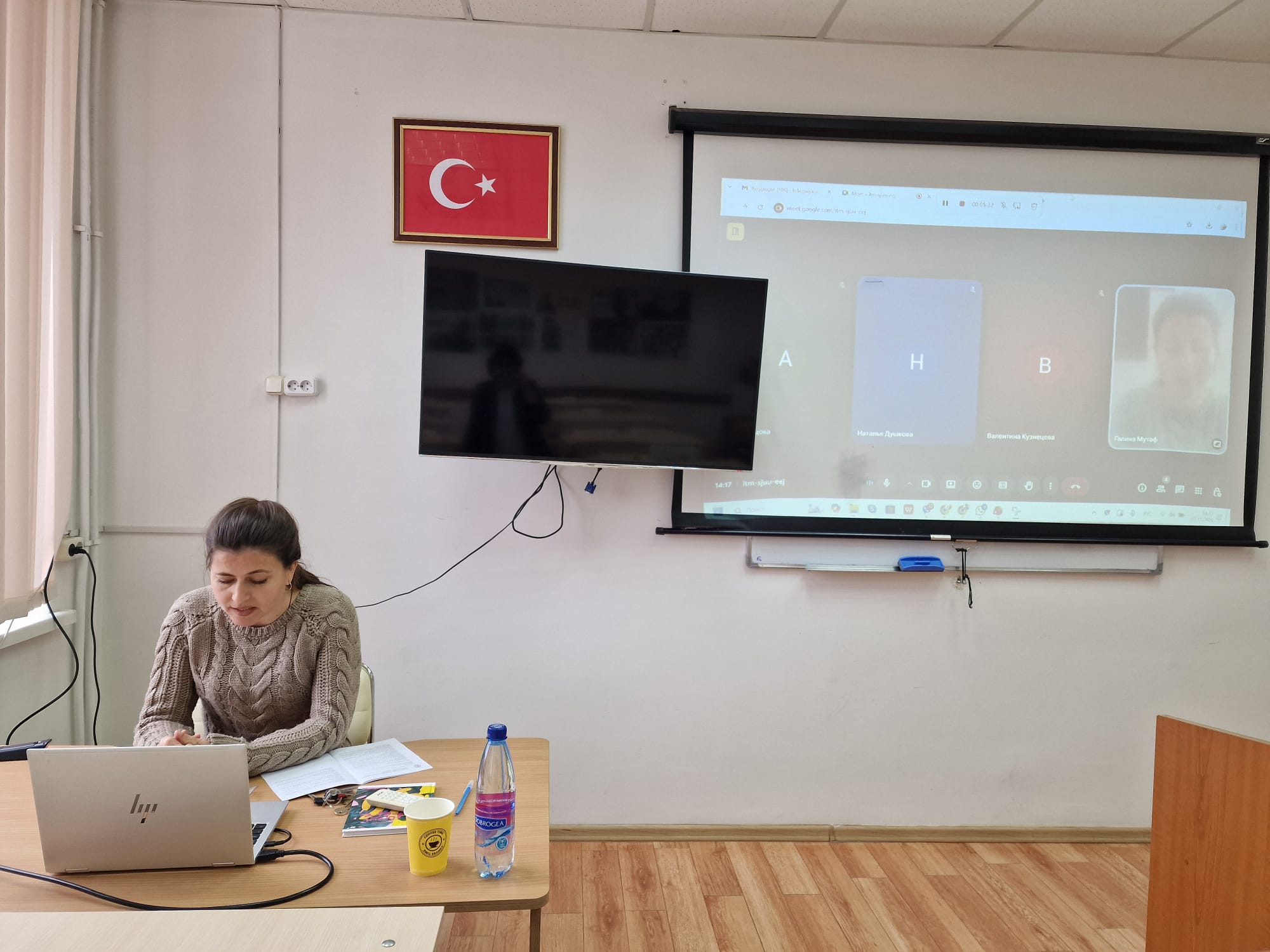
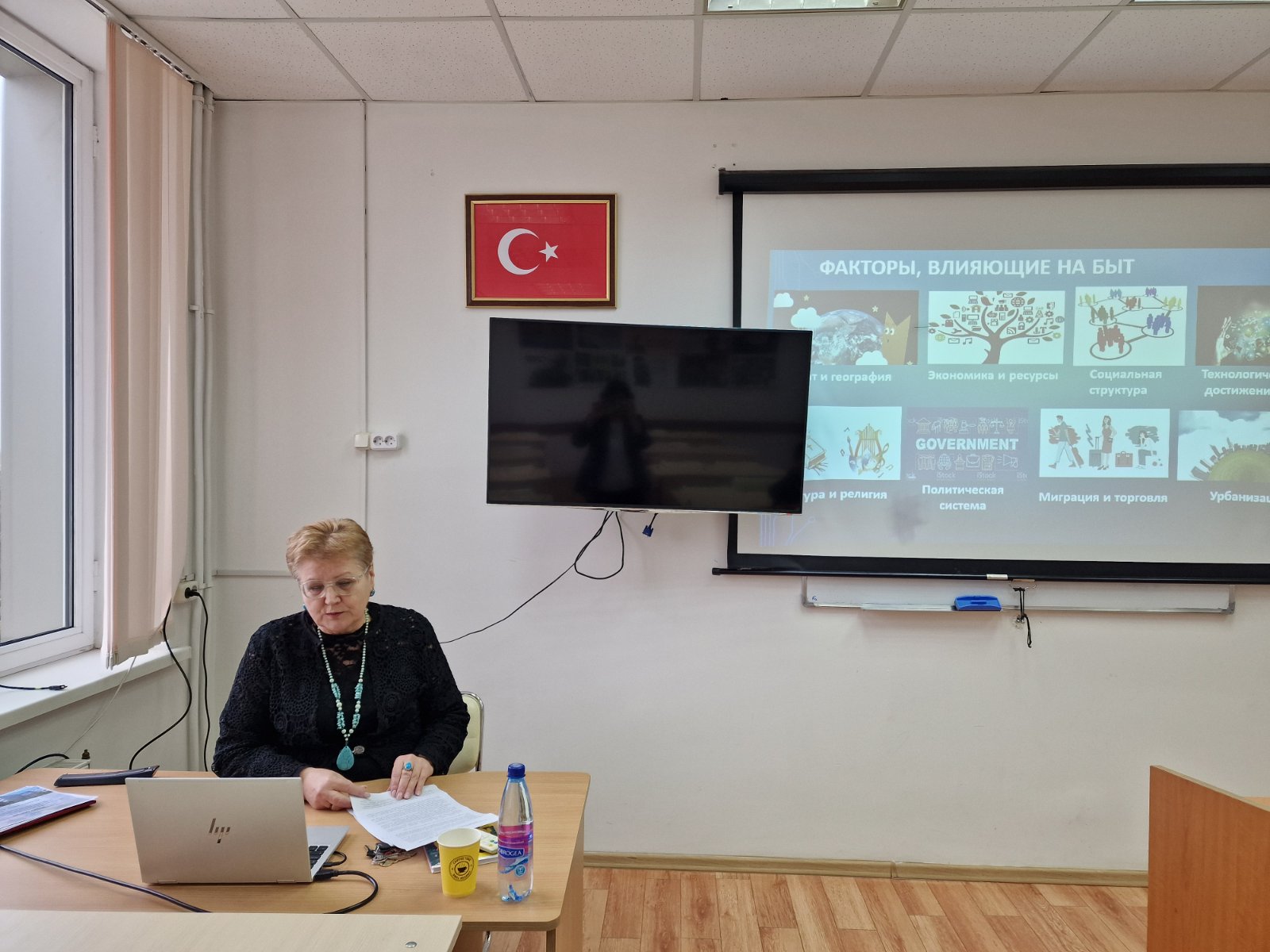
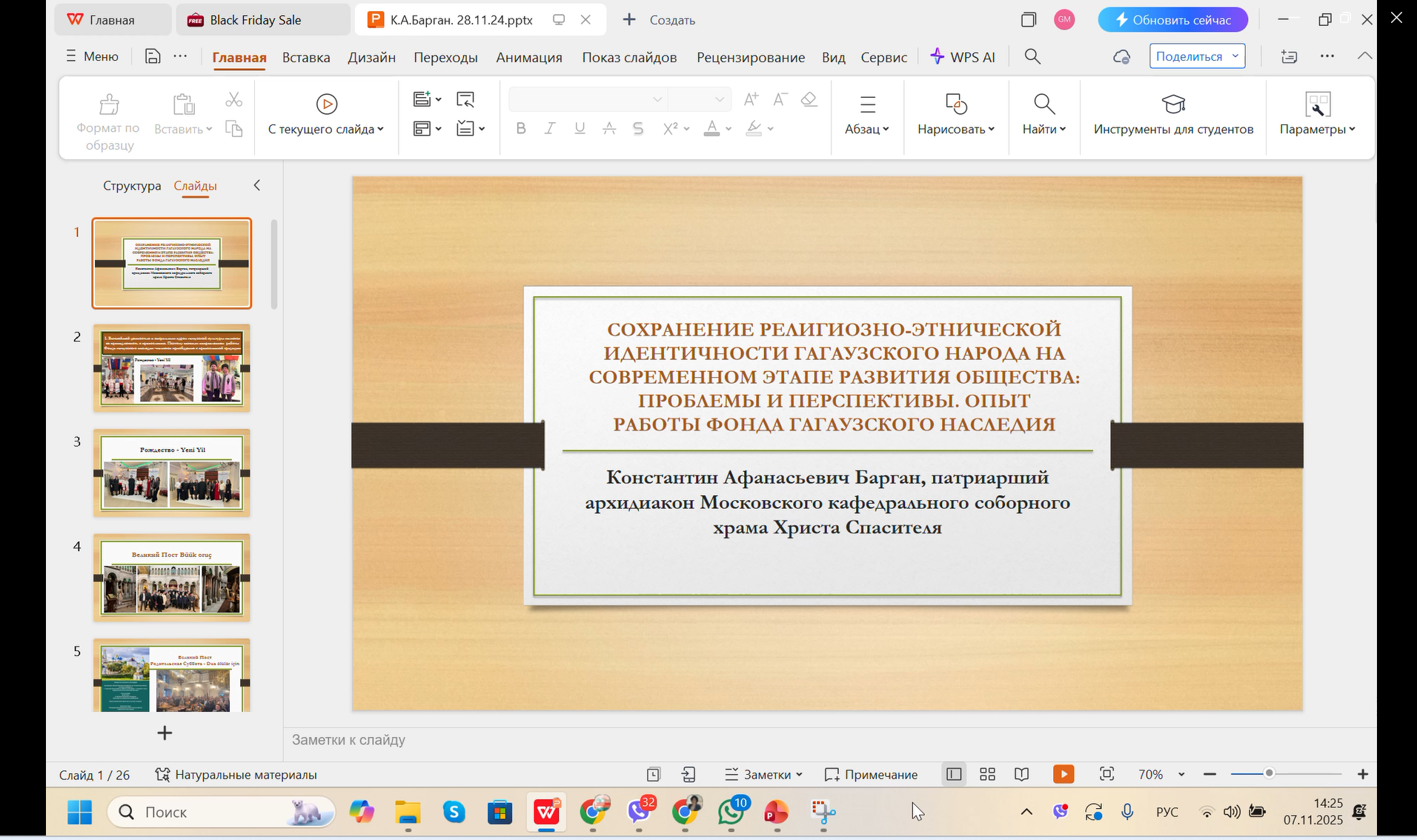
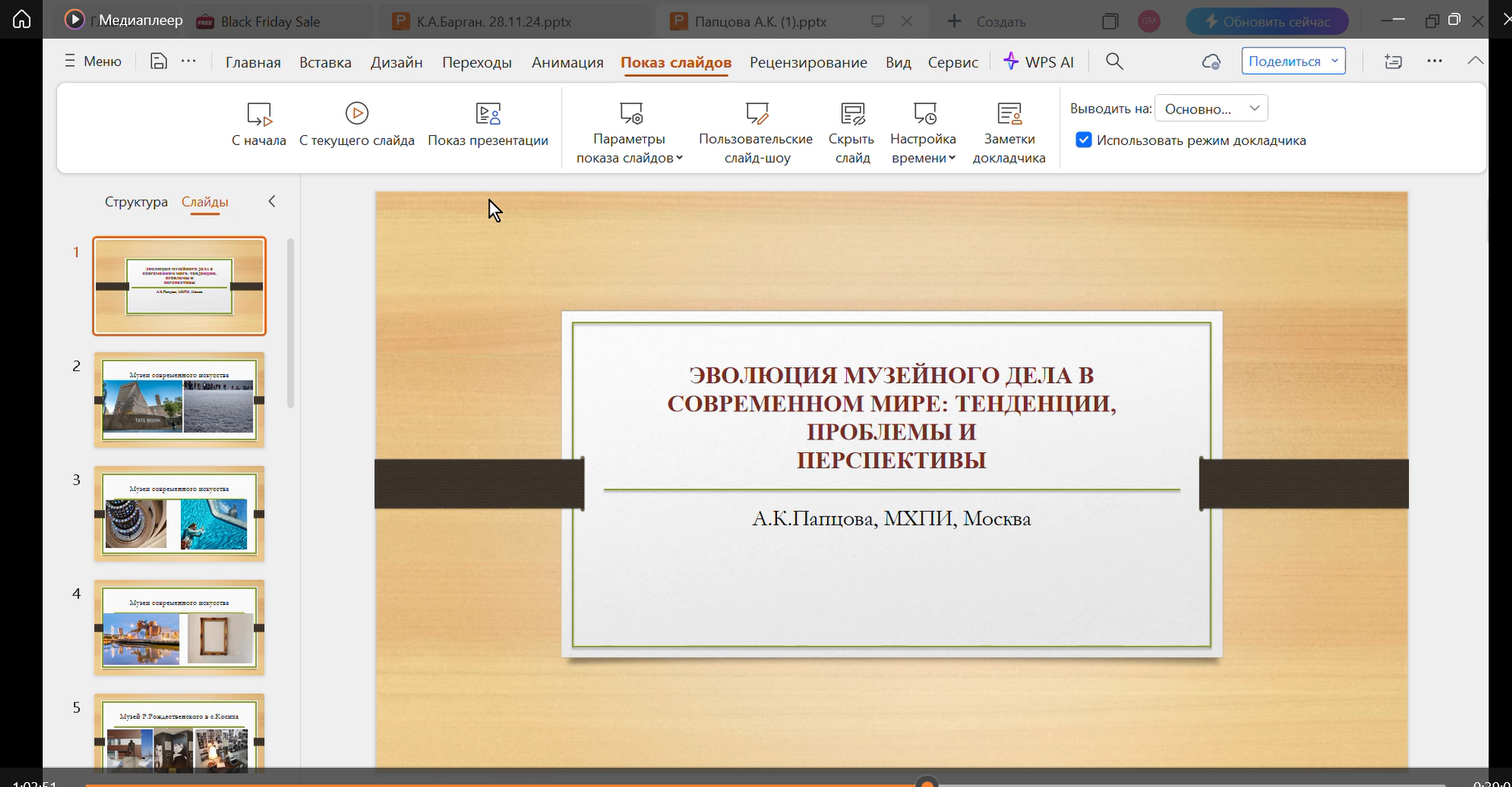
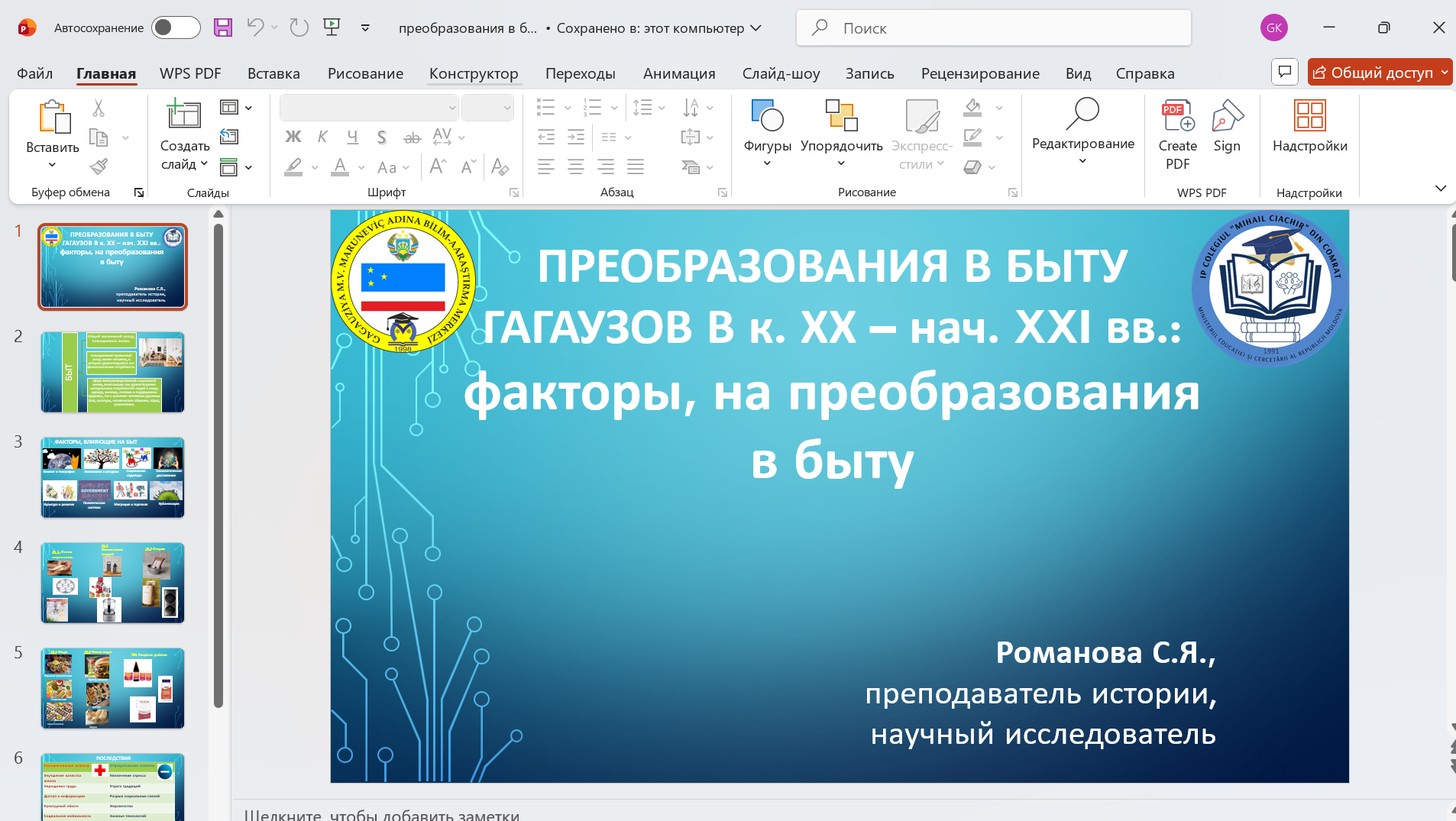
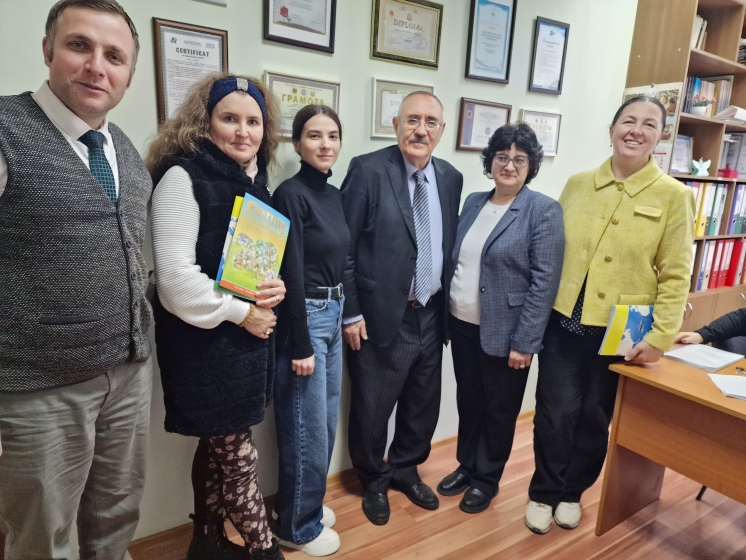
During the work of Section 4, reports by researchers from the Republic of Moldova, Bulgaria, Poland, Russia, and Ukraine were presented and discussed. They addressed relevant issues of historical and cultural heritage, ethnology, regional processes, intercultural interactions, and the preservation of the identity of peoples living in a multinational environment.
The discussion demonstrated the high scientific potential of the presented studies and their practical importance for the development of the humanities, strengthening interethnic dialogue, and improving educational practices.
Based on the results, the participants note:
- The relevance of research on Gagauz, Bulgarian, Ukrainian, Greek, and other ethnocultural traditions confirms the need for continued support for projects dedicated to preserving the cultural heritage of regions.
- The presented reports illustrate a diversity of approaches and methods in studying historical and cultural processes — from analyzing transformations of everyday life and housing to studying religious and ethnic identity, museum practices, and contemporary environmental challenges.
- Special attention was given to the educational potential of cultural heritage, the role of family and educational practices in transmitting traditions, and the formation of sustainable interest among youth in ethnic history and culture.
- The significant importance of international cooperation was emphasized — in studying ethnocultural processes, implementing joint educational projects, and exchanging research experience among universities in Moldova, Bulgaria, Ukraine, Poland, and Russia.
- The need for further research into the preservation of ethnic identity — including Gagauz, Bulgarians, Ukrainians, and Greeks — in the context of globalization, migration, and social transformations was underlined.
- Reports dedicated to regional policy and social protection revealed the necessity of strengthening interdisciplinary approaches in analyzing modern challenges — from environmental strategies to regional development disparities.
Section Recommendations:
- Continue interdisciplinary research in history, ethnology, and cultural studies, considering current sociopolitical and demographic changes.
- Strengthen cooperation between educational and cultural institutions to develop programs promoting cultural heritage.
- Support youth participating in research competitions and projects aimed at studying their cultural roots.
- Expand international partnerships between scientific institutions for joint research and educational initiatives.
- Promote the implementation of research results in the educational process, museum practice, and cultural programs of the region.