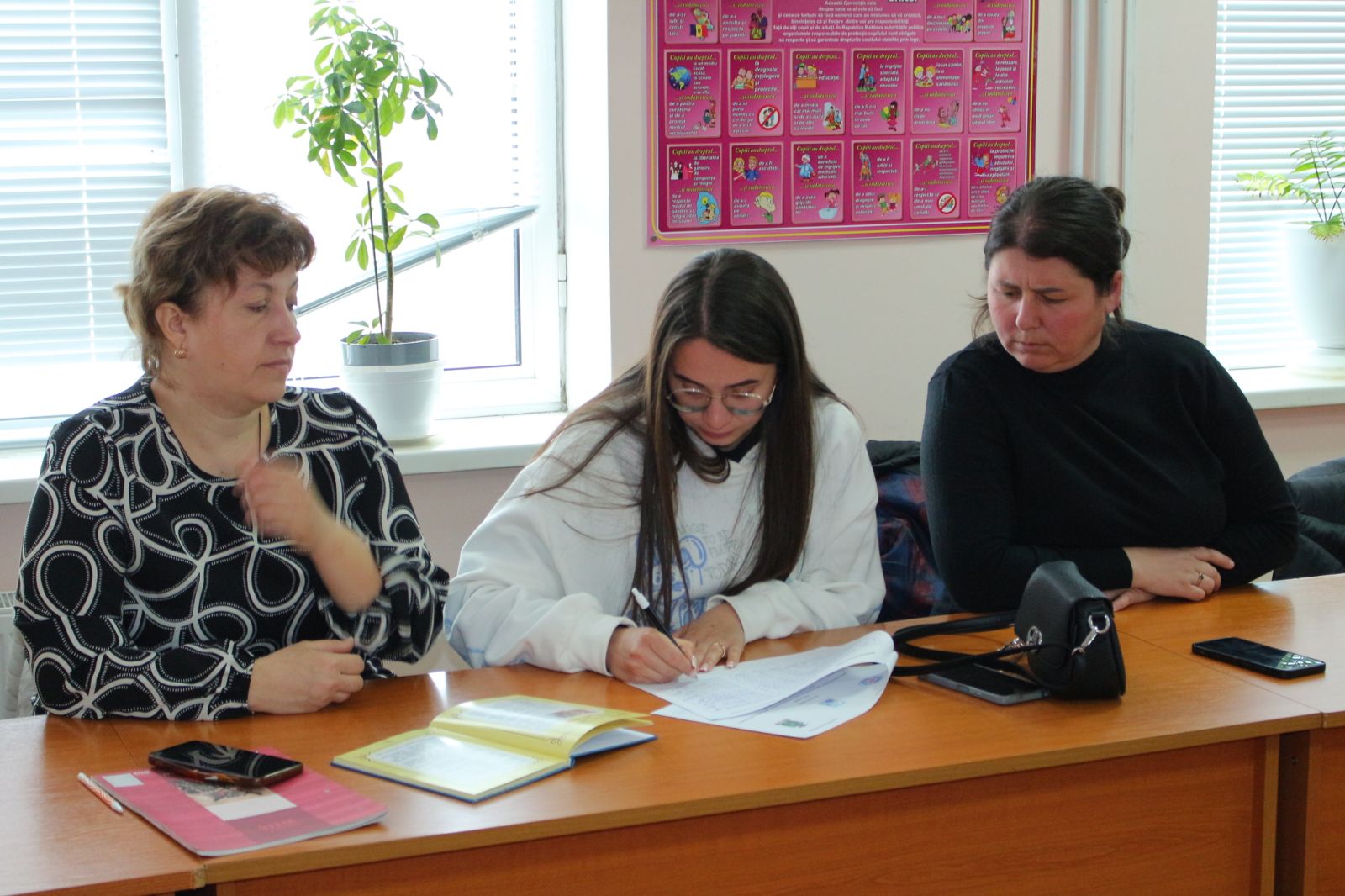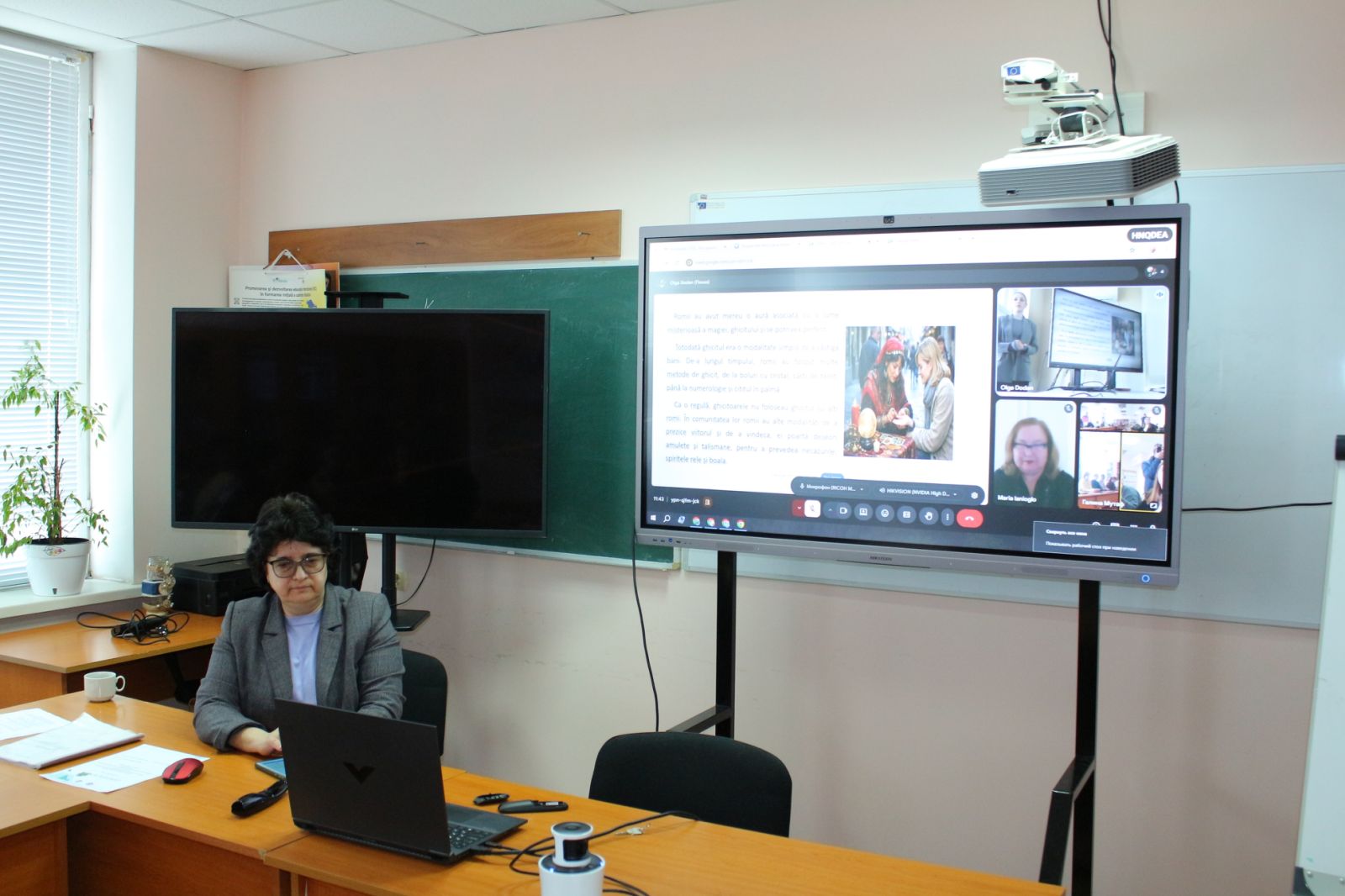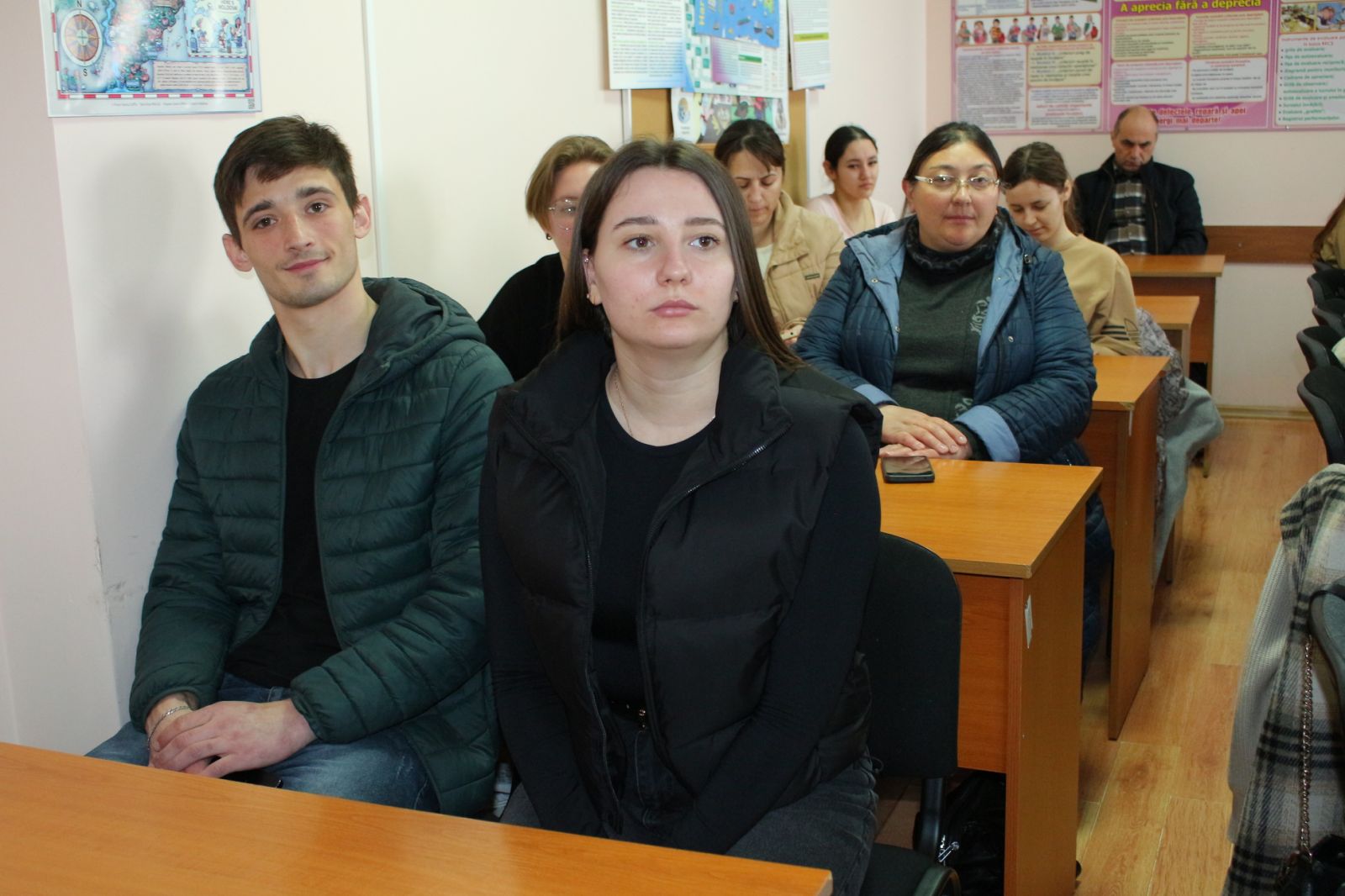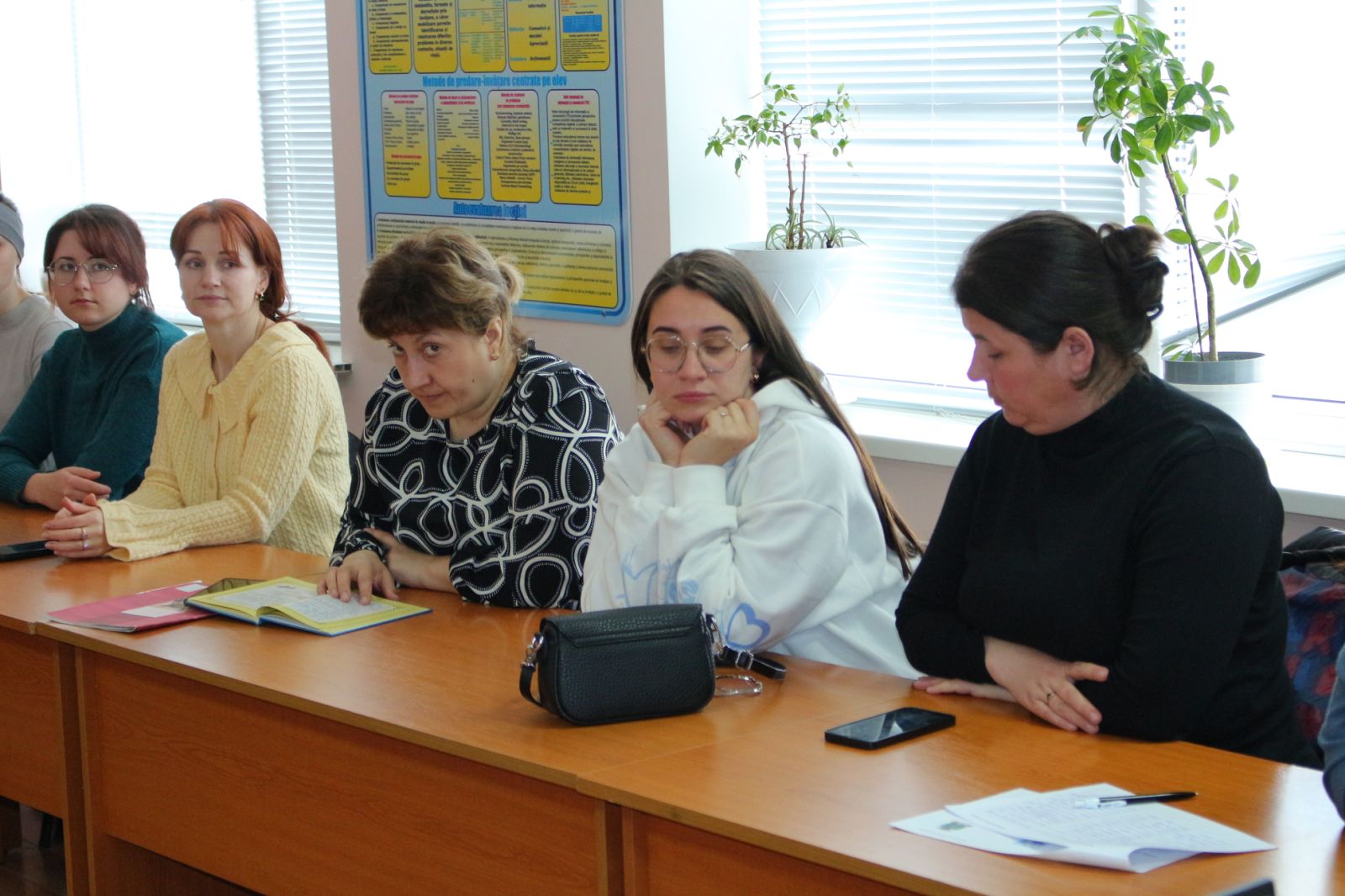



On April 7, 2026, in accordance with the operational plan of the Didactic Center for Intercultural Education and the research plan of the Department of Pedagogy and Psychology, a round table entitled “Interuniversity Dialogue: Roma Culture and Identity in Education and Society” was held, dedicated to International Roma Day (April 8).
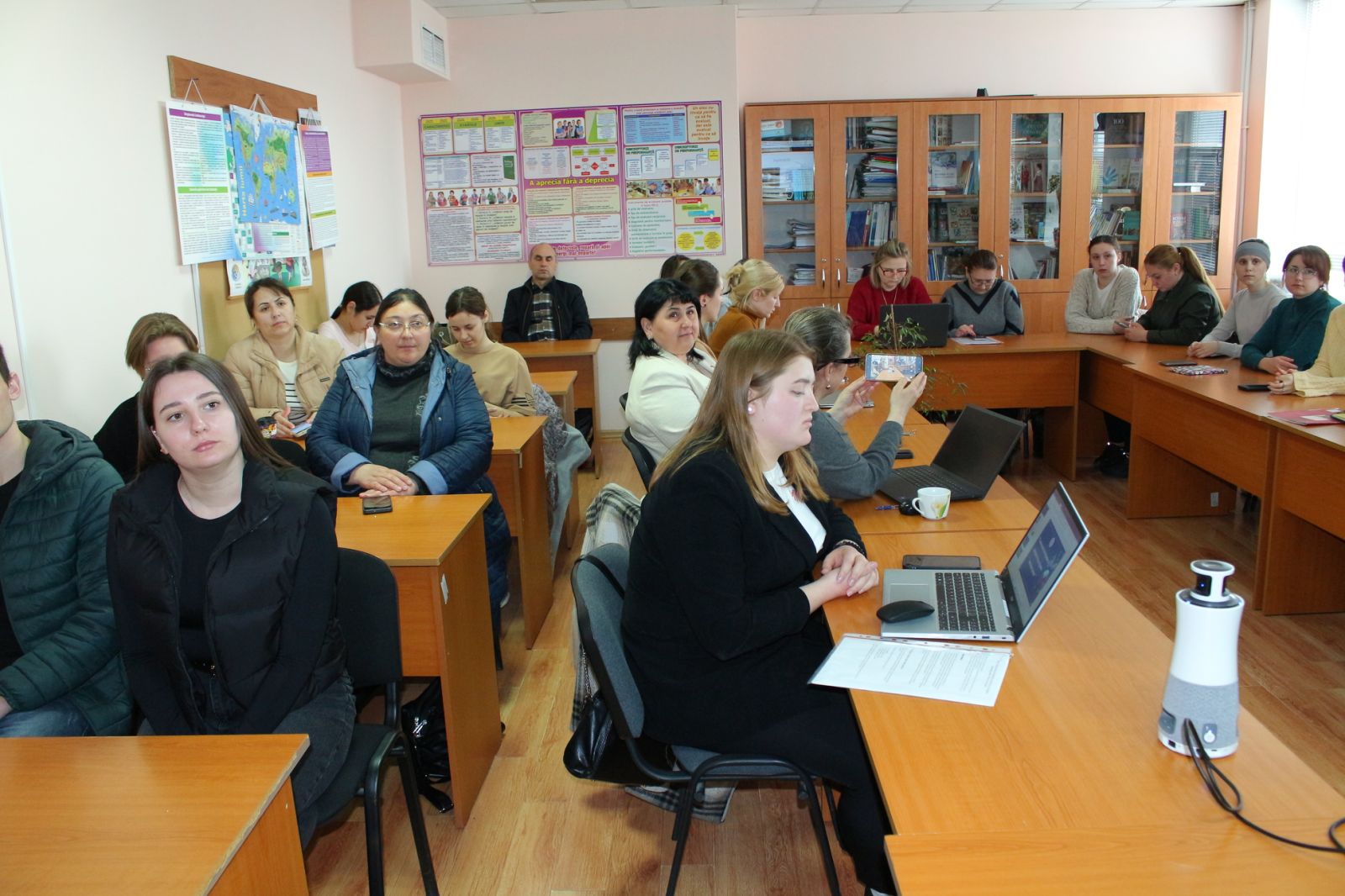
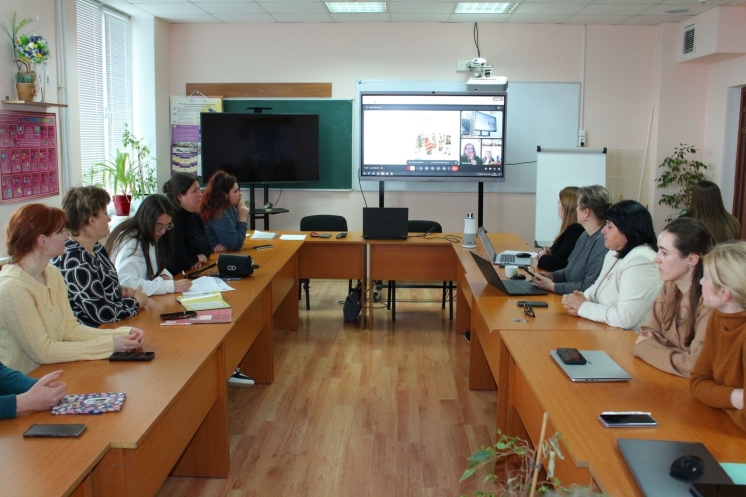
The event, organized by representatives of the Intercultural Education Centers of Comrat State University and Moldova State University, aimed at promoting tolerance, respect for cultural diversity, and expanding students’ knowledge about the traditions and history of the Roma people, was conducted in a hybrid format (online/offline).
Participants included students from the educational programs “Primary Education Pedagogy. Preschool Pedagogy”; “Languages and Literature” (Russian and English language and literature) – CSU, as well as “Psychopedagogy” and “Primary Education Pedagogy. English Language” – MSU. Academic staff from both universities also participated, including lecturers from the Faculty of National Culture (CSU) and the Department of “Educational Sciences” (MSU), with around 50 participants in total.
Moderators: Galina Mutaf, PhD, Head of the Department of Gagauz Philology and History; Maria Yanioglo, PhD, Associate Professor (CSU); and Liudmila Darii, PhD, Associate Professor (MSU). Co-organizers: Maria Vlah (CSU), Olga Dicusară and Olga Dodan (MSU).
The event took place in a warm and friendly atmosphere. The program included informative presentations on the origin of the Roma people and their symbols (Anna Arseniuc, Ekaterina Pushca – MSU), cultural characteristics, language, traditions and customs (Anastasia Balova), as well as education and socialization of Roma children (Diana Ikizli-Zaharia, etc.).
Multimedia materials, presentations, and videos were used, making the event more engaging and informative. Special interest was generated by creative performances, including Roma music, video presentations, elements of traditional dances, and national costumes.
Students actively participated in discussions, shared their impressions, and asked questions.
The event contributed to the development of intercultural dialogue, fostering respect for representatives of different ethnic groups, and promoting tolerance and mutual understanding. Participants expanded their knowledge about Roma culture, discussed issues of social integration, and exchanged experience in promoting non-discriminatory approaches in education, highlighting the importance of academic cooperation in creating an inclusive educational environment.