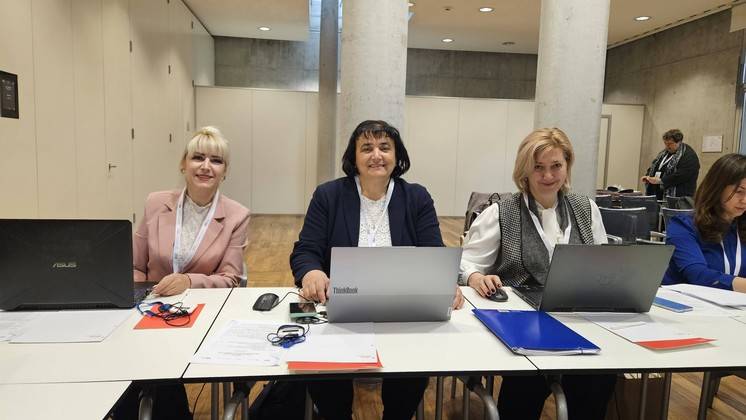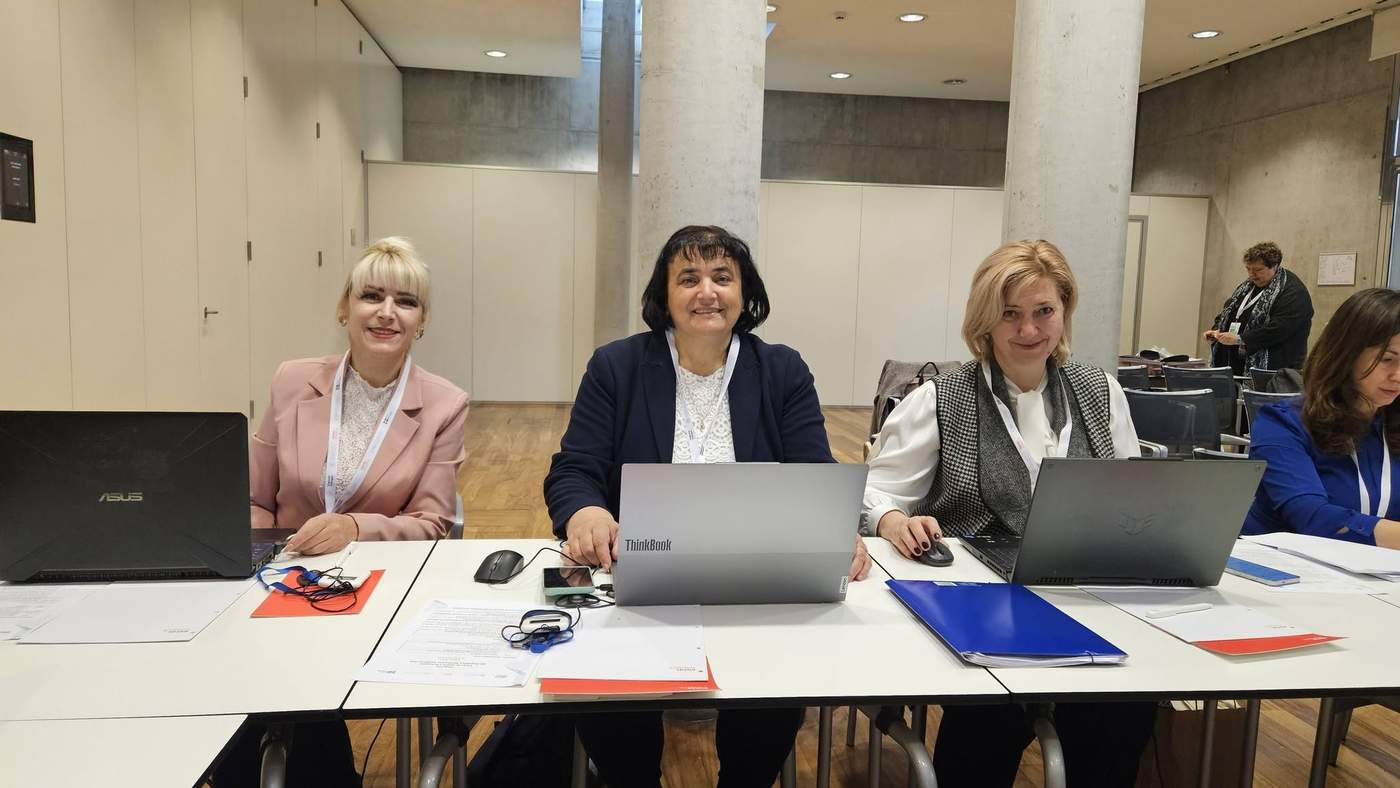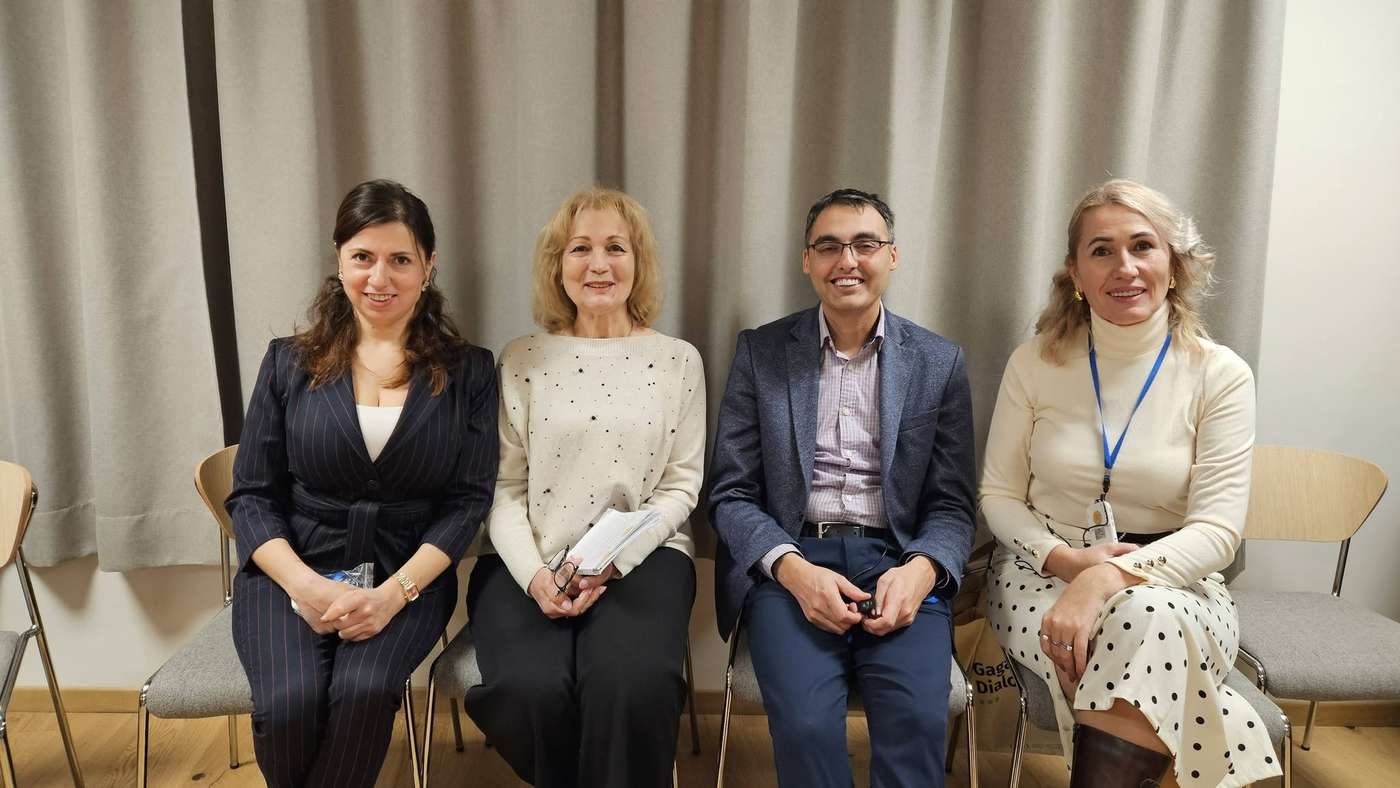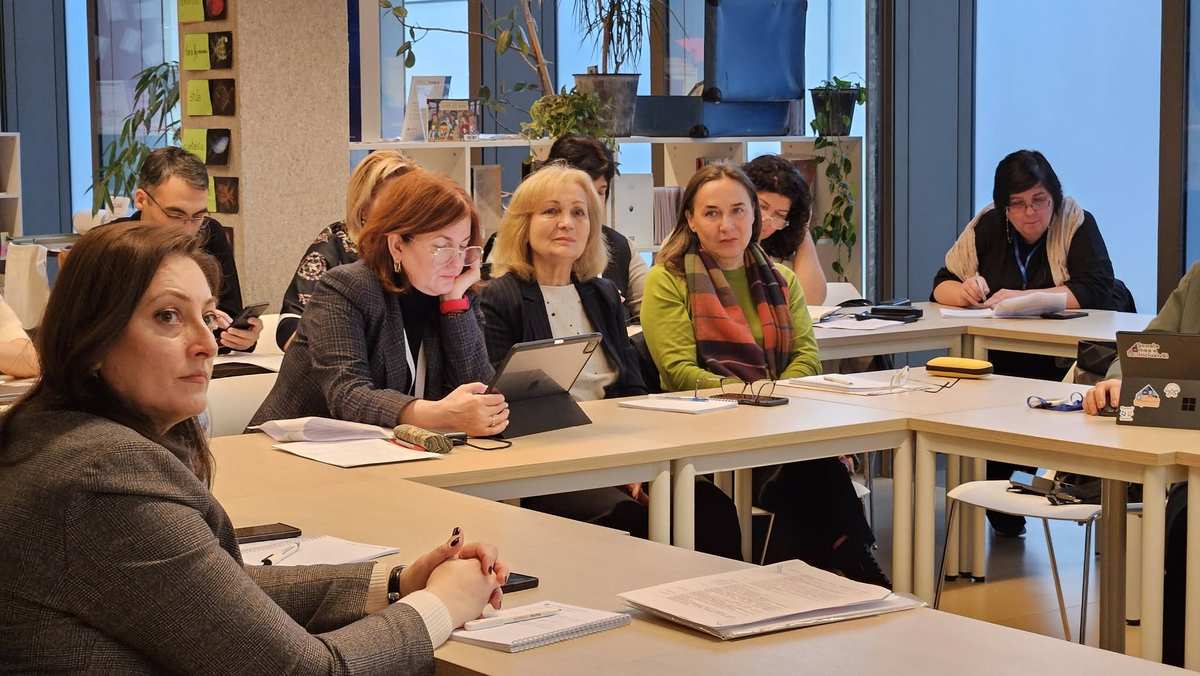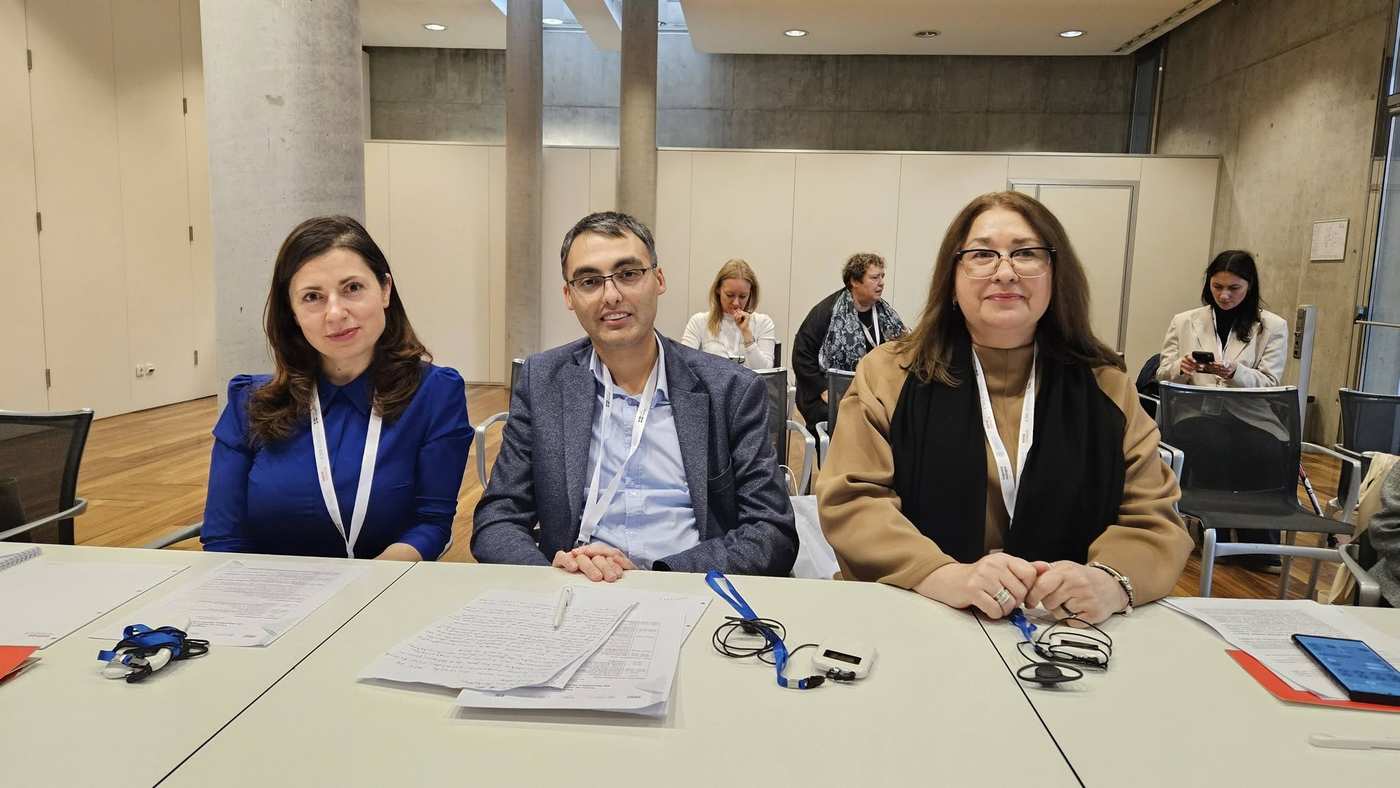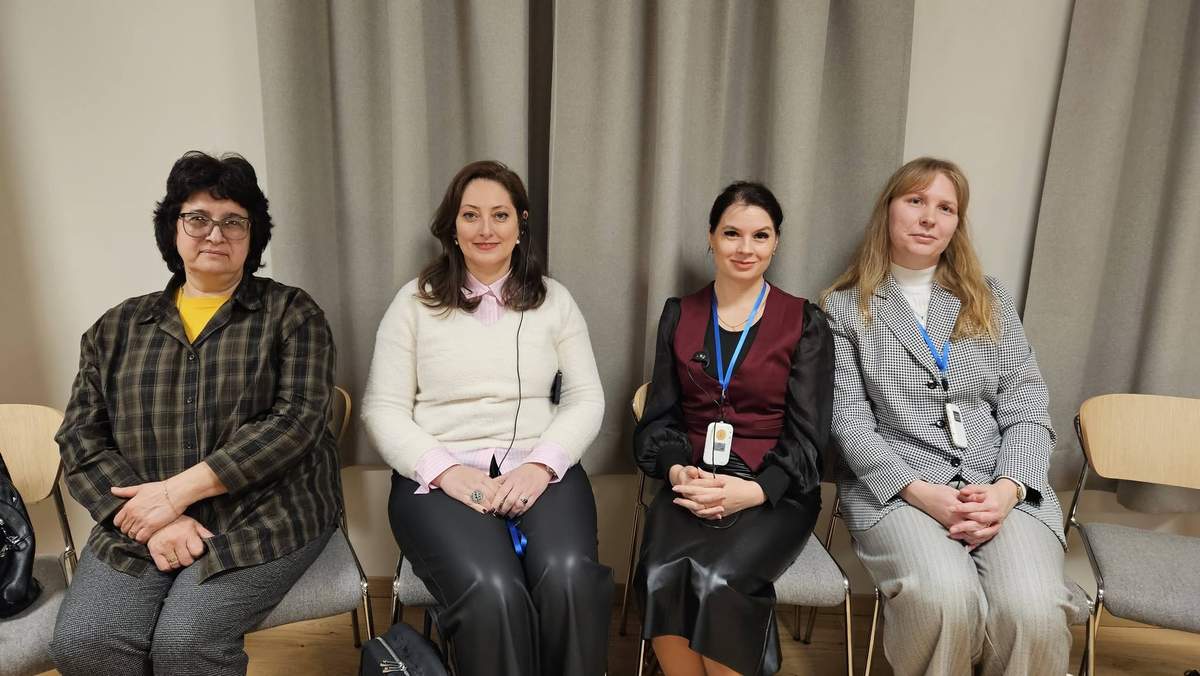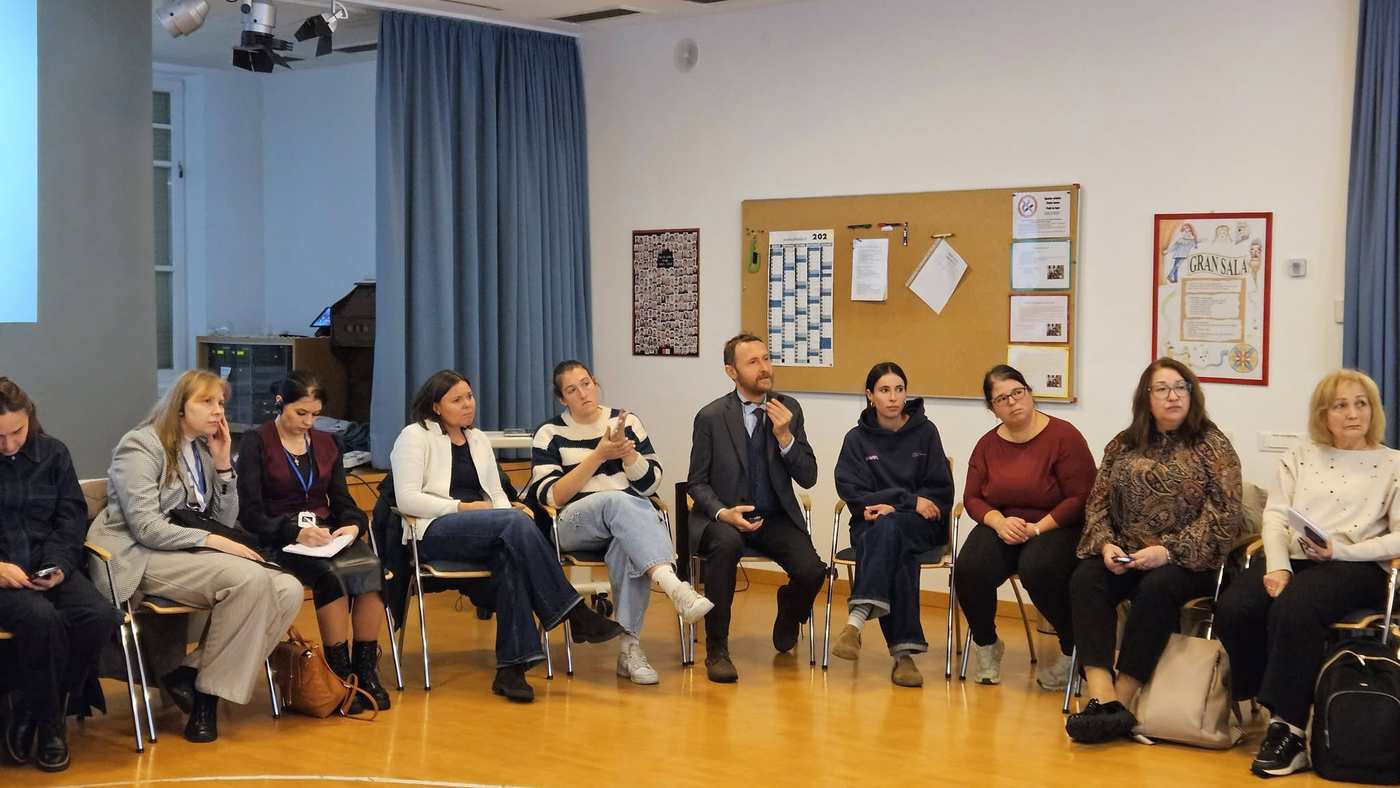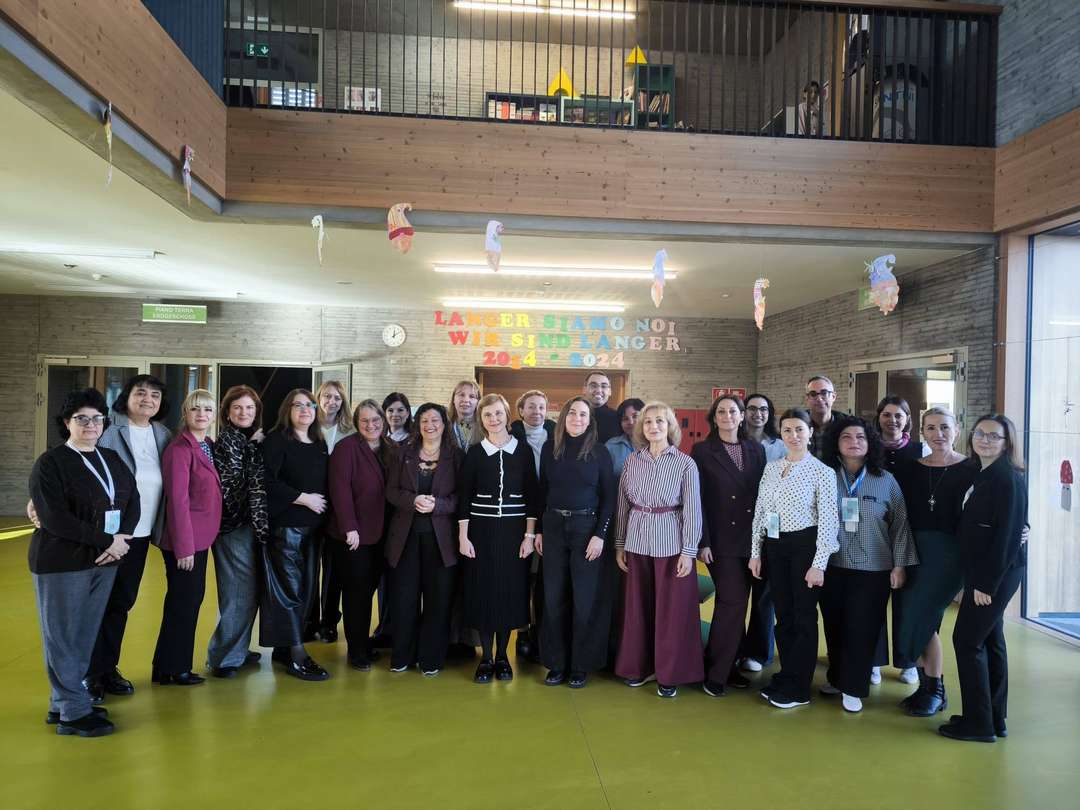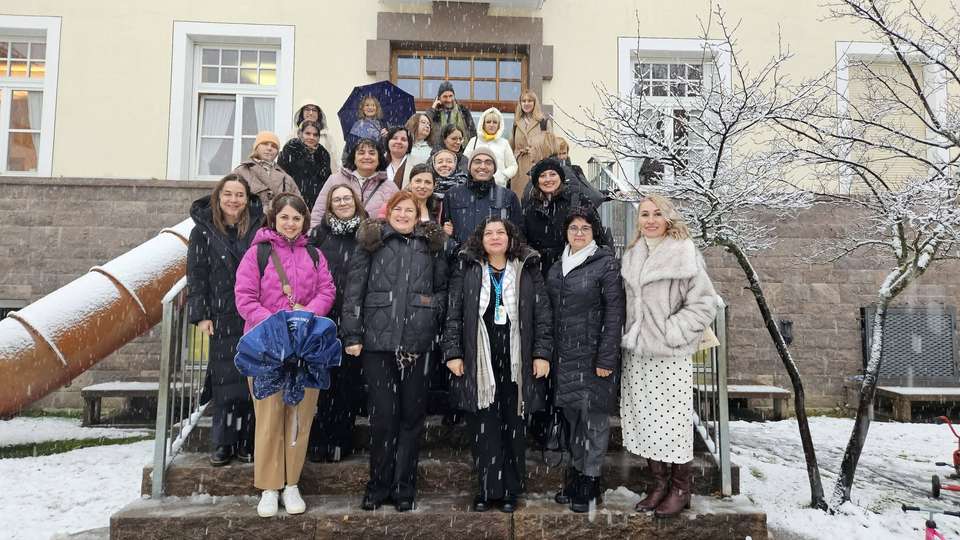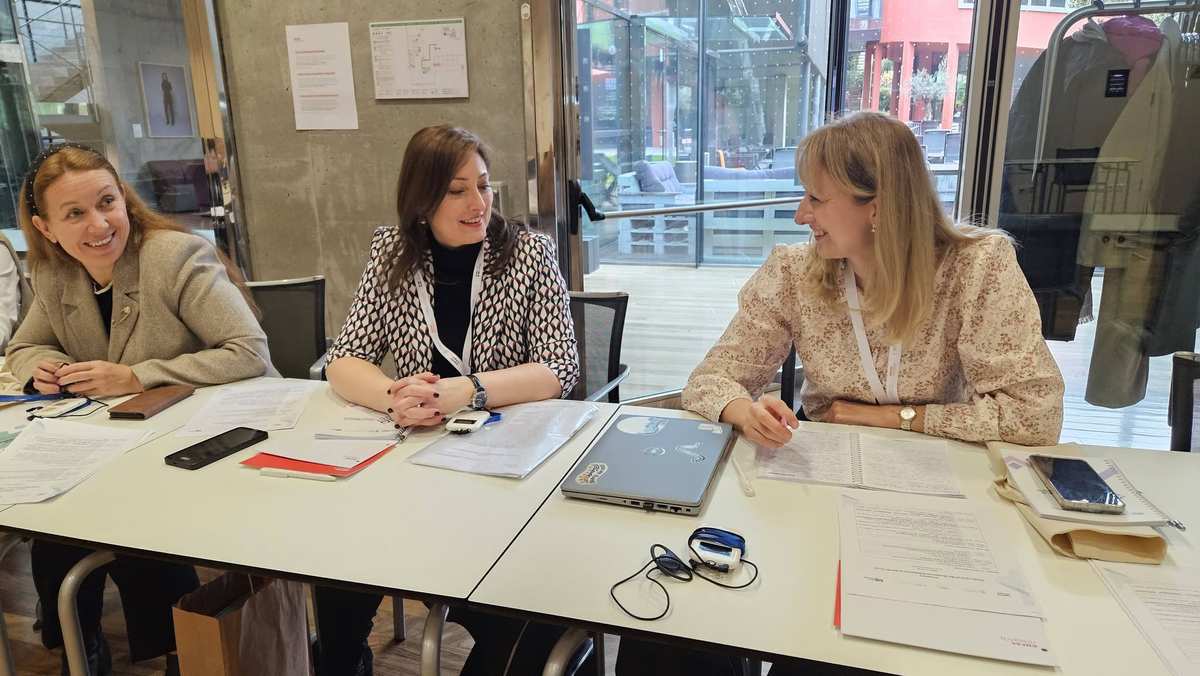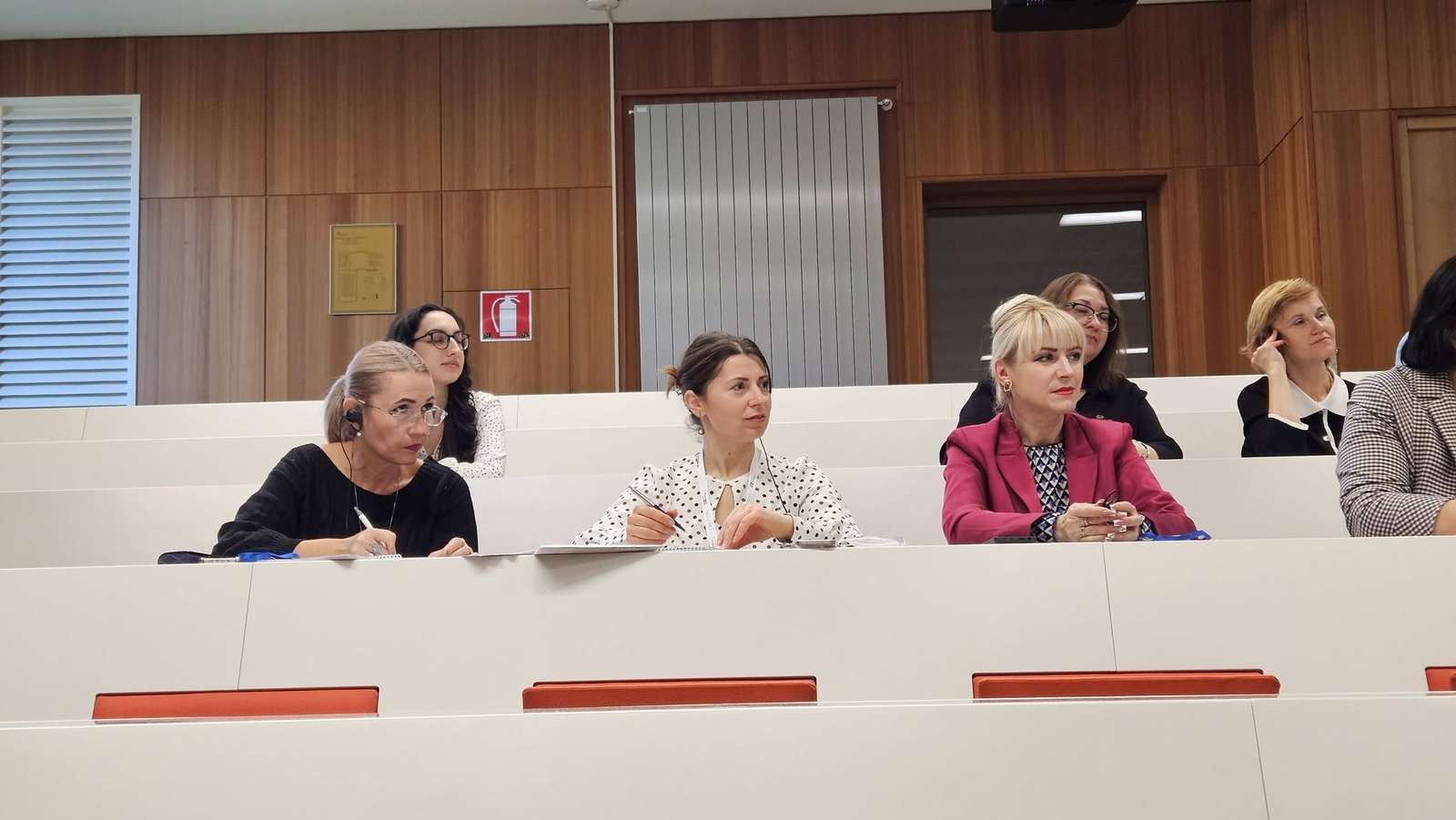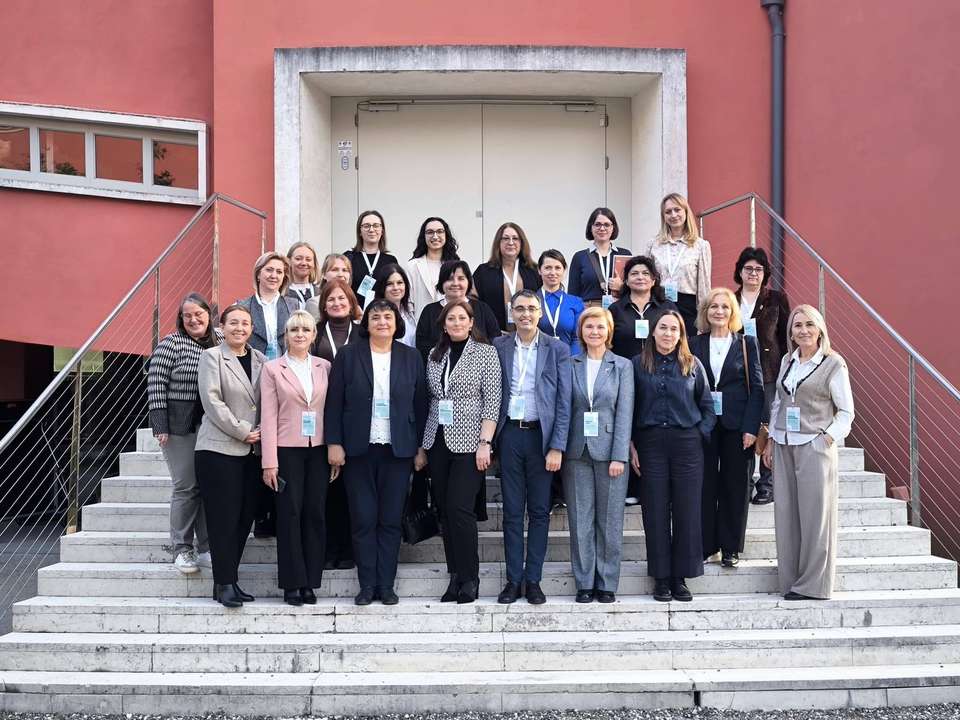



From 15 to 21 November 2026, Galina Mutaf, Acting Head of the Department of Gagauz Philology and History at Comrat State University and Doctor of Pedagogical Sciences, took part in a study visit by a delegation from the Republic of Moldova to South Tyrol, Italy. The visit focused on European experience in multilingual education, the preservation of national minority languages and teacher training.
The visit was organized by CMI – Martti Ahtisaari Peace Foundation in close cooperation with the Eurac Research centre as part of the Gagauzia Dialogue project, with support from Sweden.
The programme included meetings with leading European researchers, university lecturers and education specialists, as well as first-hand observation of how multilingual learning is organized in South Tyrol's schools and kindergartens.
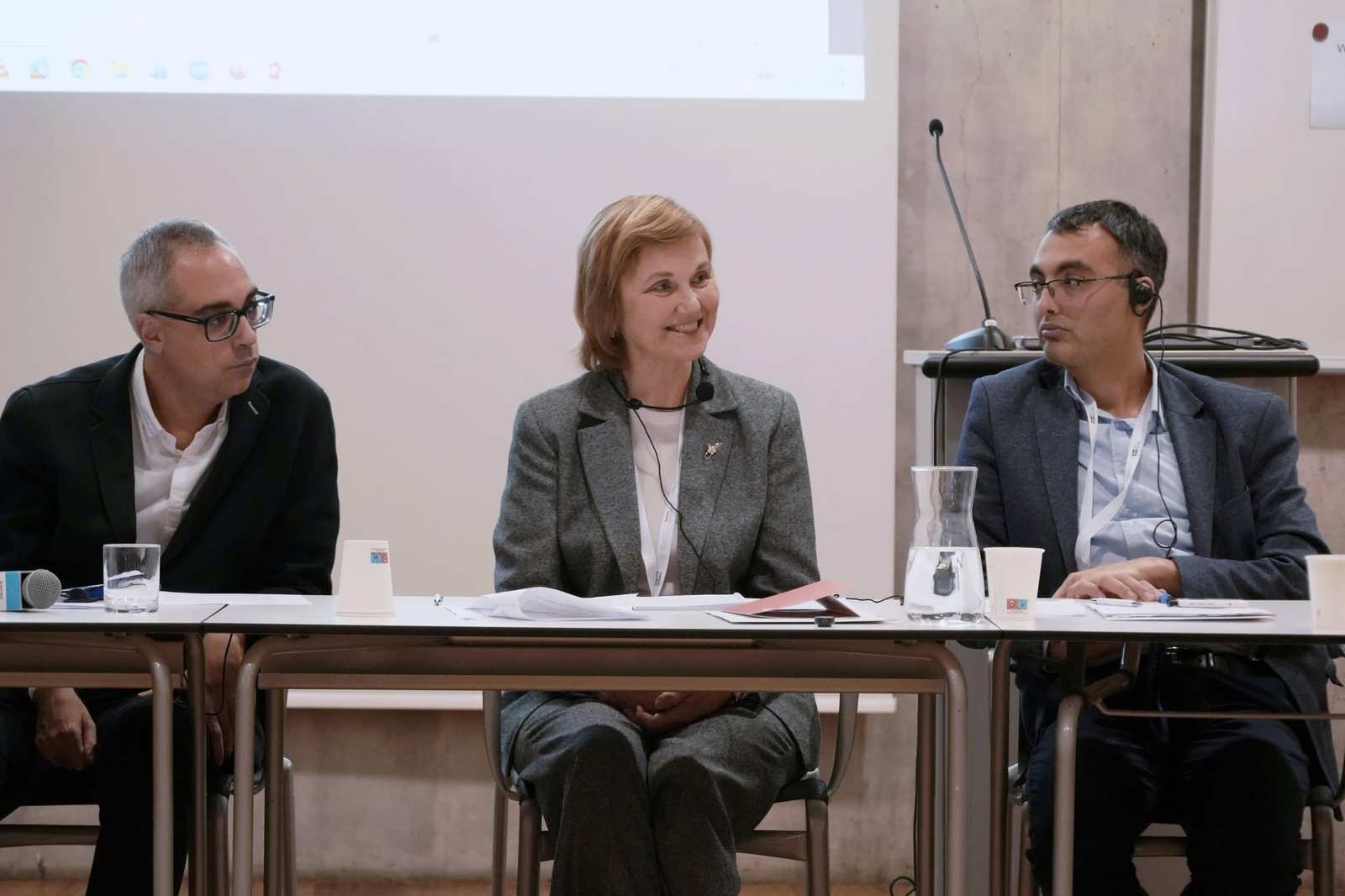
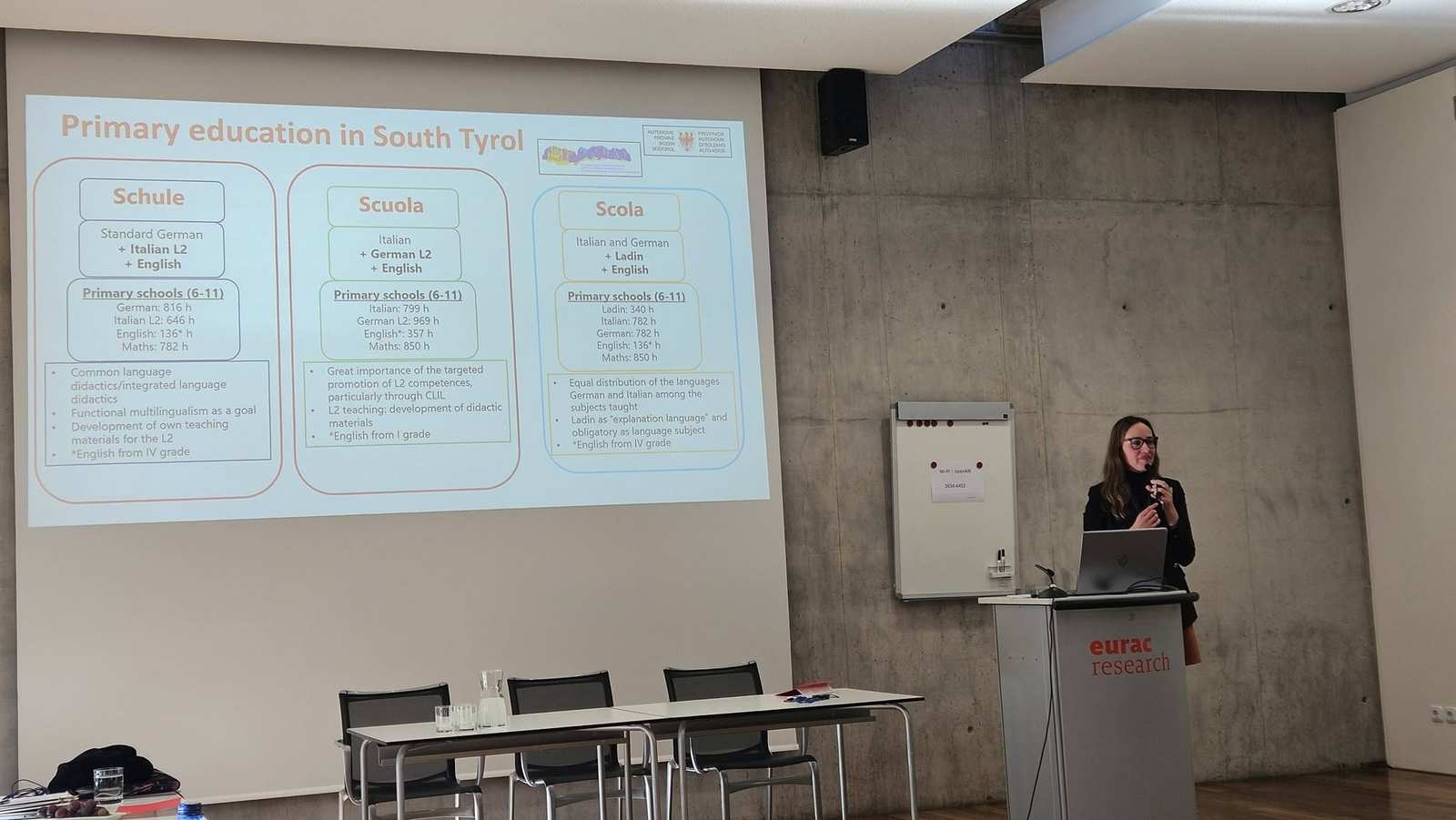
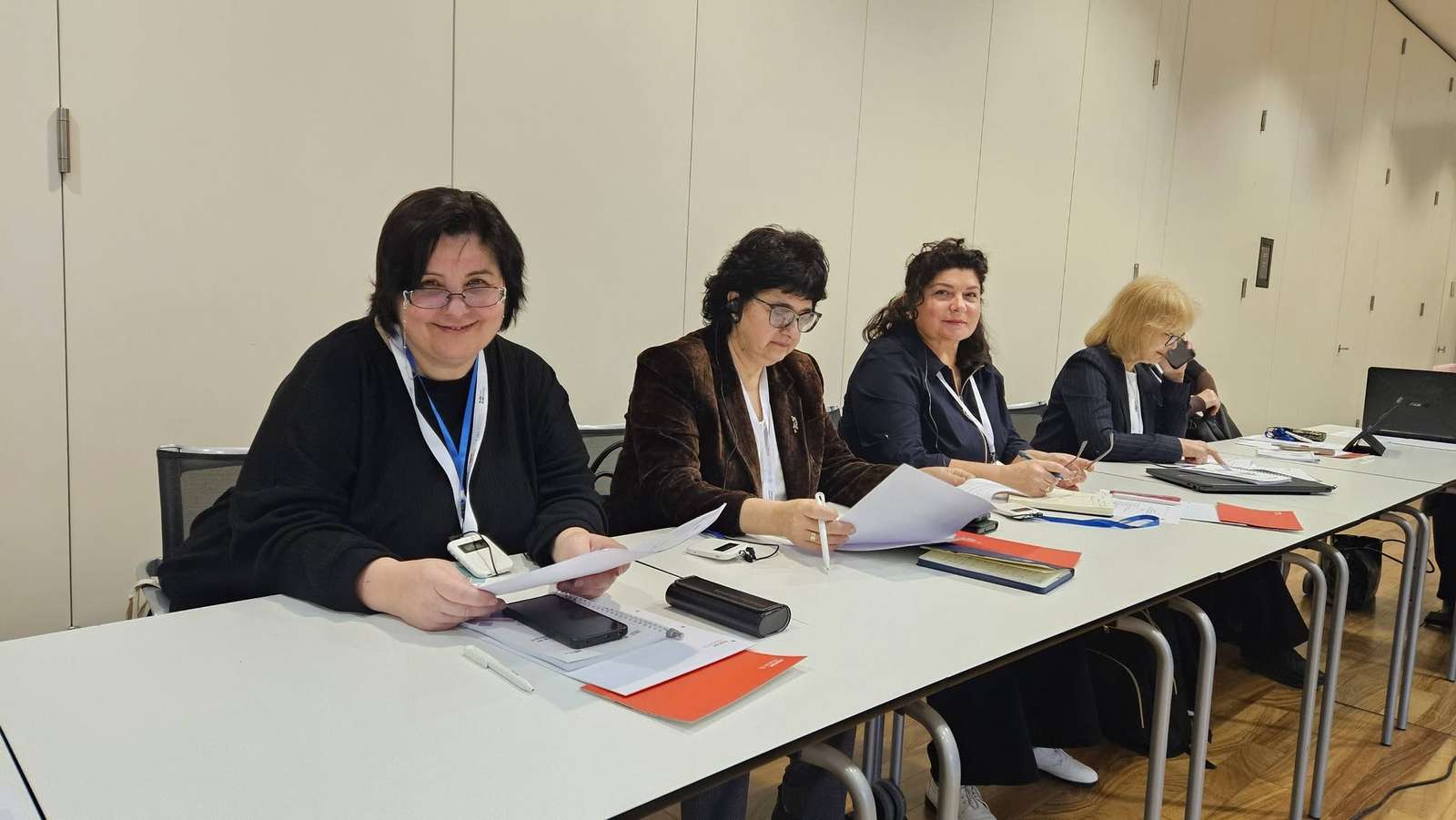
On 16 November, working meetings at the Eurac Research centre in Bolzano addressed language rights, regional autonomy, social cohesion and the legal foundations of education in national minority languages. The delegation was welcomed by Dr Elisabeth Alber, head of a research group at Eurac Research's Institute for Comparative Federalism, and Dr habil. Ivan Duminica, head of the Service for Policy in the Field of Interethnic Relations at the Ministry of Education and Research of the Republic of Moldova and head of the Moldovan delegation.
During the morning sessions, Dr Elisabeth Alber discussed language rights, social cohesion and South Tyrol's autonomy; Dr Marta Guarda, a senior researcher at Eurac Research's Institute for Applied Linguistics, presented approaches to linguistic diversity and multilingual education; and Dr Mattia Zeba, a senior researcher at the Institute for Minority Rights, spoke about the legal foundations of education in national minority languages.
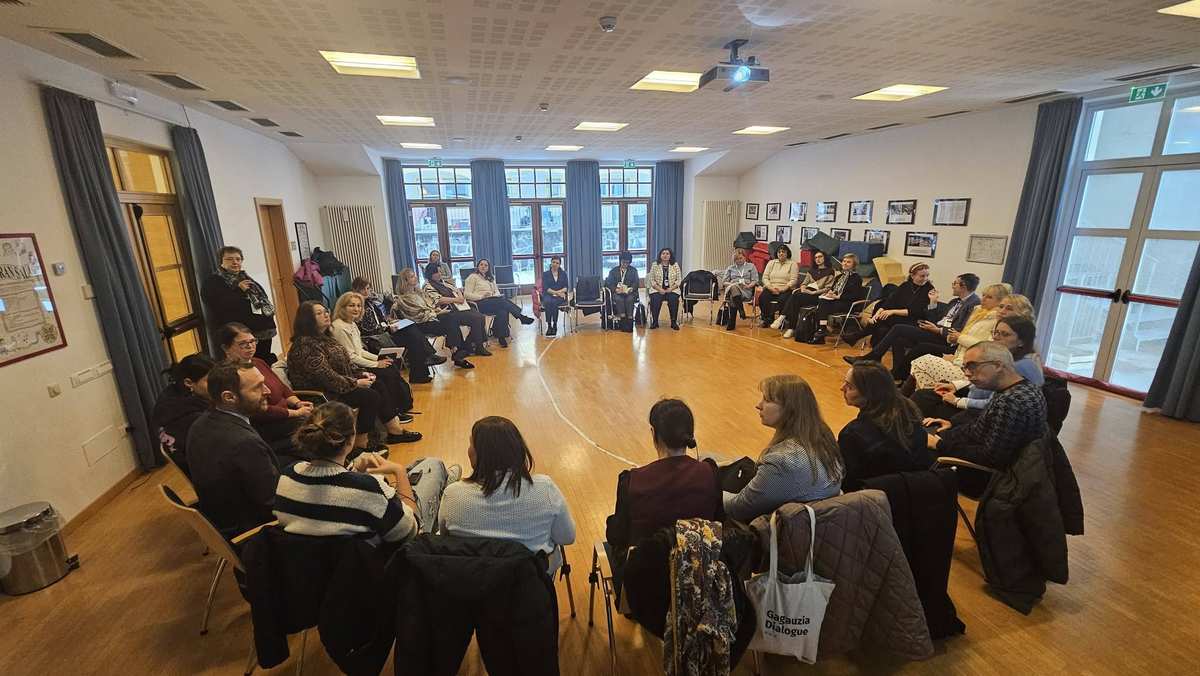
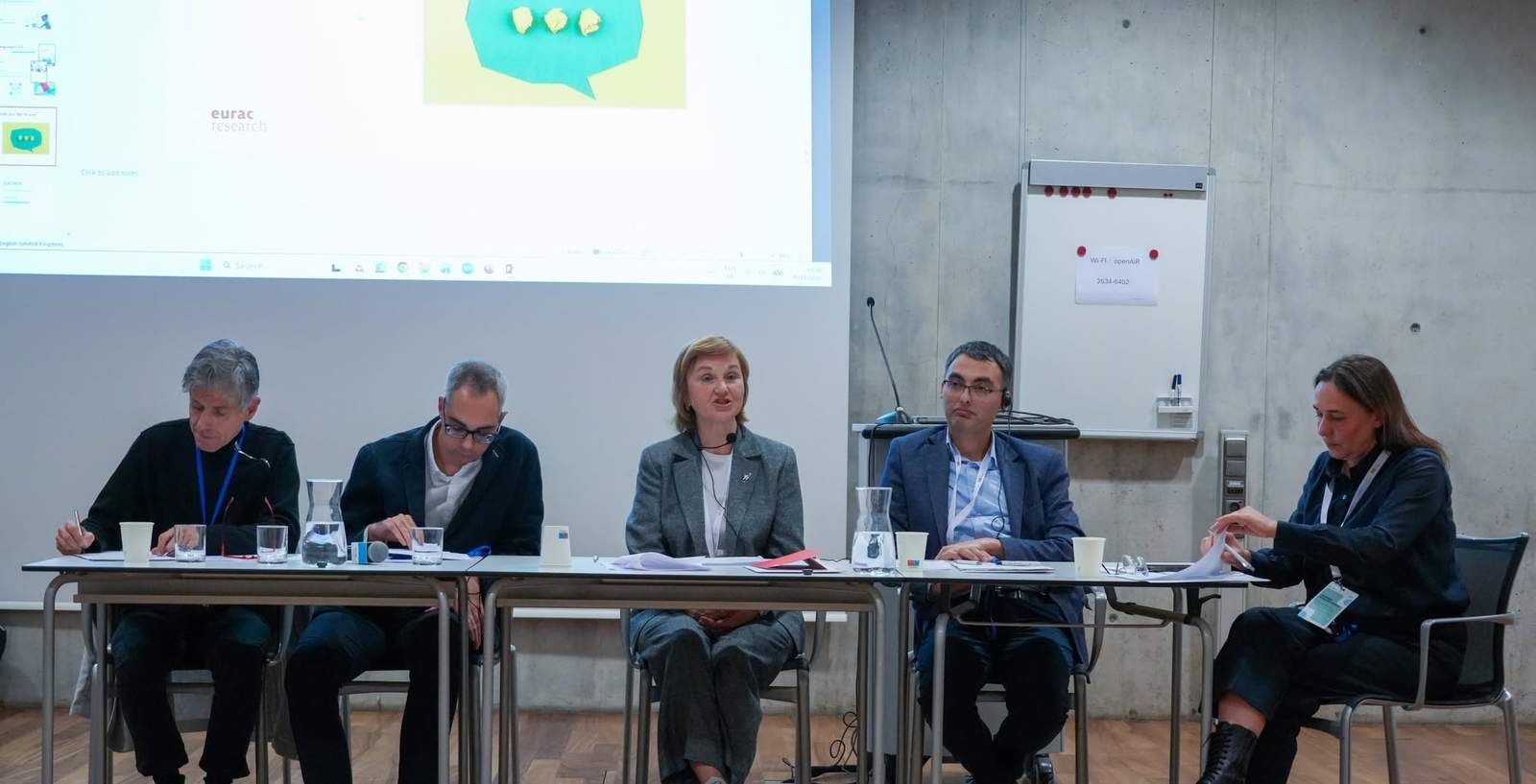
The day ended with a roundtable bringing together experts from Eurac Research, the Republic of Moldova and CMI – Martti Ahtisaari Peace Foundation.
Participants discussed the role of education policy in preserving linguistic diversity and ways to adapt European experience to conditions in the Republic of Moldova.
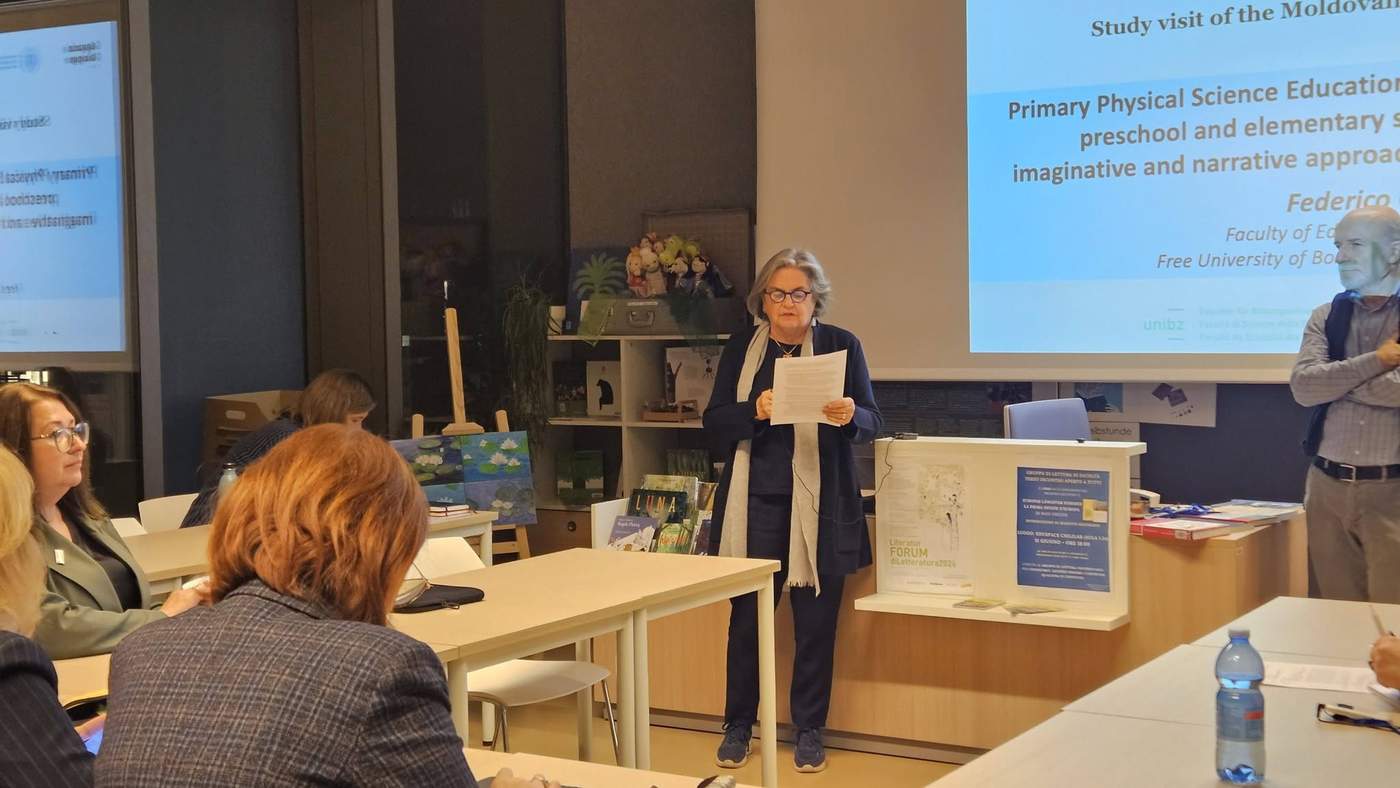
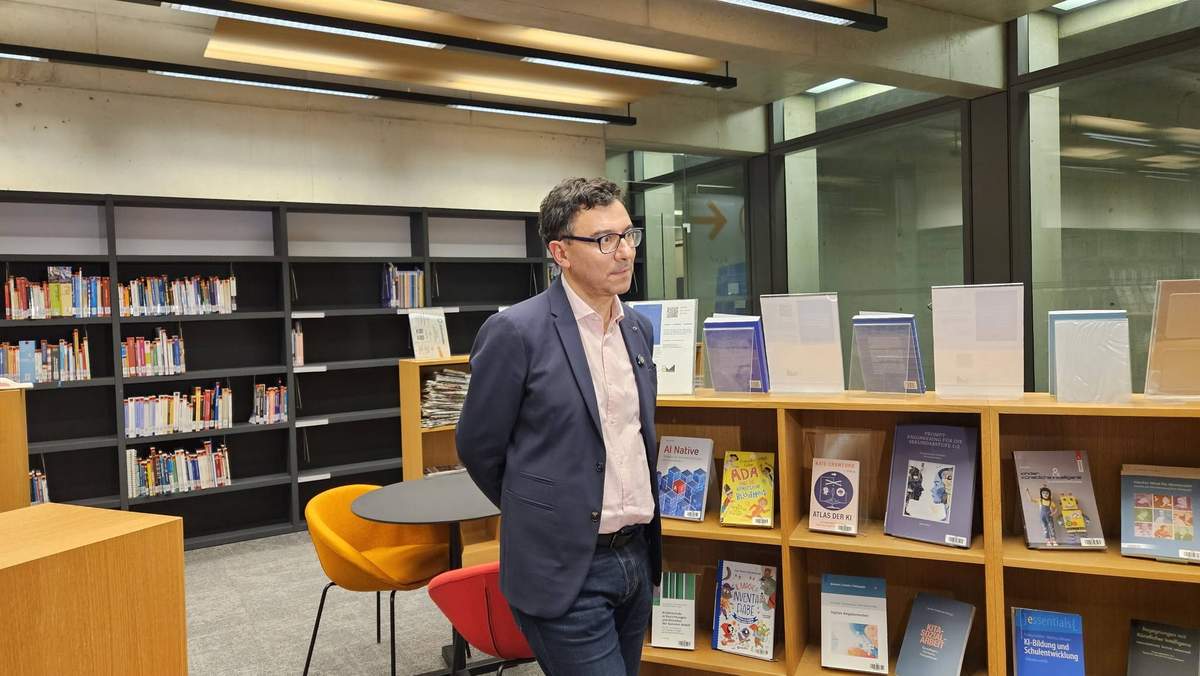
On 17 November, the delegation visited the Faculty of Education at the Free University of Bozen-Bolzano in Bressanone (Brixen).
While visiting the Faculty of Education at the Free University of Bozen-Bolzano in Bressanone/Brixen, participants learned about the region's academic and teaching experience and examined teaching and methodological materials designed for both pupils and teachers.
In meetings with Prof. Paul Videsott, Prof. Jeanette Hoffmann, PhD Ruth Videsott, Prof. Federico Corni and Prof. Renata Zanin Scaratti, participants explored teaching approaches, educational resources and practical examples of integrating several languages into teaching and learning. Particular attention was paid to preparing future teachers to work in multilingual educational settings, modern teaching methods, the development of learning materials and the use of innovative teaching technologies. South Tyrol's experience proved especially valuable for the Republic of Moldova. The discussions confirmed that developing multilingual education requires not only appropriate education policies, but also well-trained teachers, adapted learning materials and effective teaching methods.
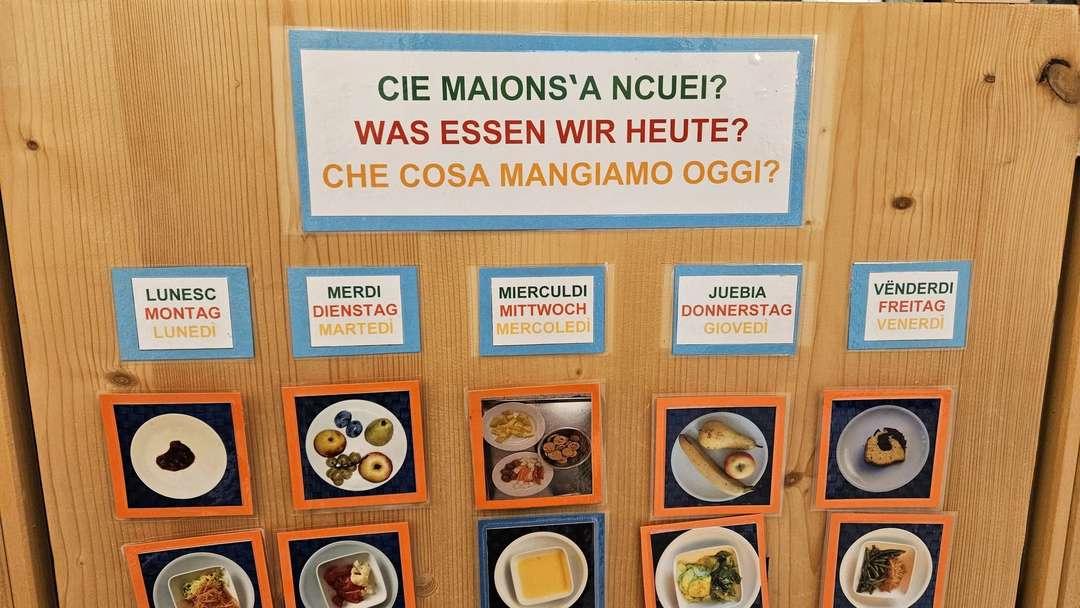
On 18 November, participants visited Alexander Langer Primary School in Bolzano, where they observed multilingual education in practice. The school is a distinctive example of an institution bringing pupils from two education systems, with instruction in Italian and German, together in one space and fostering interaction and intercultural exchange.
“Visiting Alexander Langer School was an extremely valuable experience for members of the delegation, allowing us to see first-hand how multilingual education works in the classroom. It showed us that the success of such a model depends on teacher preparation, the teaching methods used and the natural integration of several languages into learning.
Of particular interest was the use of CLIL (Content and Language Integrated Learning). In the Italian-language section, subjects such as visual arts, music and geography are taught in German, while natural sciences are studied in English each week.
This approach enables pupils to develop language skills naturally while acquiring knowledge across different subjects.
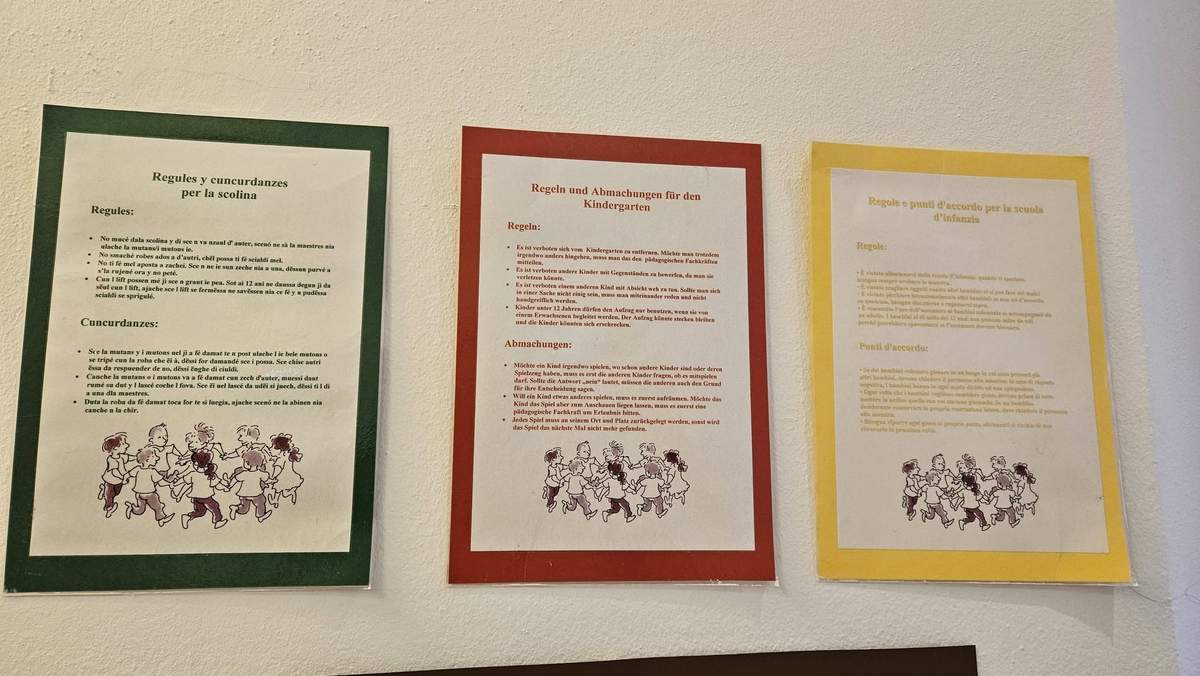
On 19 November, the delegation learned about the Ladin model of trilingual education. A visit to a school and kindergarten in the Ladin valley showed how Ladin, German and Italian are used in education from an early age. The preservation of Ladin as a vital part of the local community's cultural identity was especially valuable to observe.
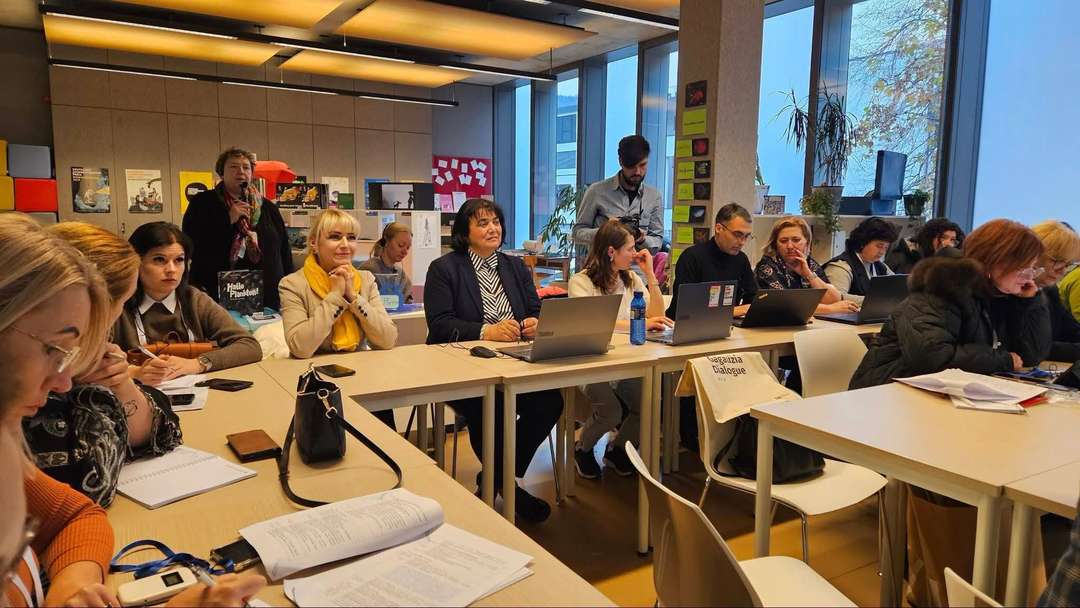
A roundtable at the Eurac Research centre addressed the Republic of Moldova's achievements in developing multilingual education, the challenges of implementation and lessons learned from South Tyrol's experience.
The discussion was moderated by Zdenka Machniikova, senior legal adviser at CMI – Martti Ahtisaari Peace Foundation. Participants included Prof. Francesco Palermo, director of Eurac Research's Institute for Comparative Federalism and Professor of Comparative Public Law at the University of Verona; Dr Francisco Javier Romero Caro, a senior researcher at Eurac Research; Dr habil. Ivan Duminica, head of the Directorate for Policy in the Field of Interethnic Relations at the Ministry of Education and Research of the Republic of Moldova; and Dr Angela Cara, CMI's education adviser.
The discussion highlighted the Republic of Moldova's achievements since the first study visit in 2024, including significant changes in education policy, stronger institutional capacity and practical steps towards introducing multilingual education in schools.
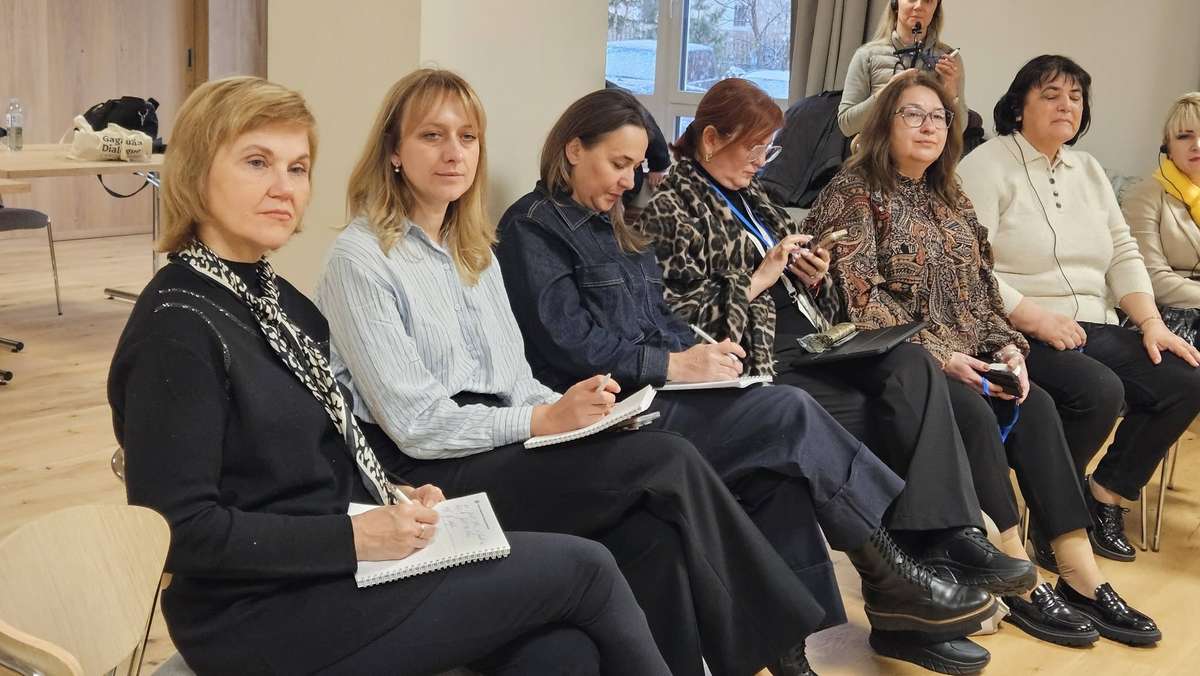
On 20 November, the programme concluded with discussions about putting the knowledge gained into practice, improving teacher training and further developing multilingual education in the Republic of Moldova. The Ladin model demonstrated the central role of the local community in preserving and promoting a national minority language through active involvement in building an education system that supports linguistic and cultural identity.
Participation in this visit is particularly important for the Department of Gagauz Philology and History at Comrat State University. South Tyrol's experience clearly shows that preserving a national minority language and learning other languages are not mutually exclusive. On the contrary, with well-designed education policies, multilingualism becomes an important resource for personal development, intercultural dialogue and social inclusion.
The Ladin model is of particular interest to Gagauzia, where cooperation among educational institutions, families, the local community and education authorities can help preserve the mother tongue.
The experience gained opens up new opportunities to improve Gagauz language teaching methods, develop modern teaching and learning materials, train future teachers and expand research into multilingual education.
Comrat State University's participation in international educational dialogue helps strengthen its academic and teaching capacity, broaden professional contacts and identify effective ways to preserve and develop the Gagauz language in a multilingual society.
Studying successful European practices is an important step towards creating an educational environment in which the mother tongue retains its value and proficiency in several languages opens up new opportunities for young people.
Saturday, 21 November 2026 11:37
Comrat State University’s Department of Gagauz Philology and History studies European experience in multilingual education and preserving minority languages