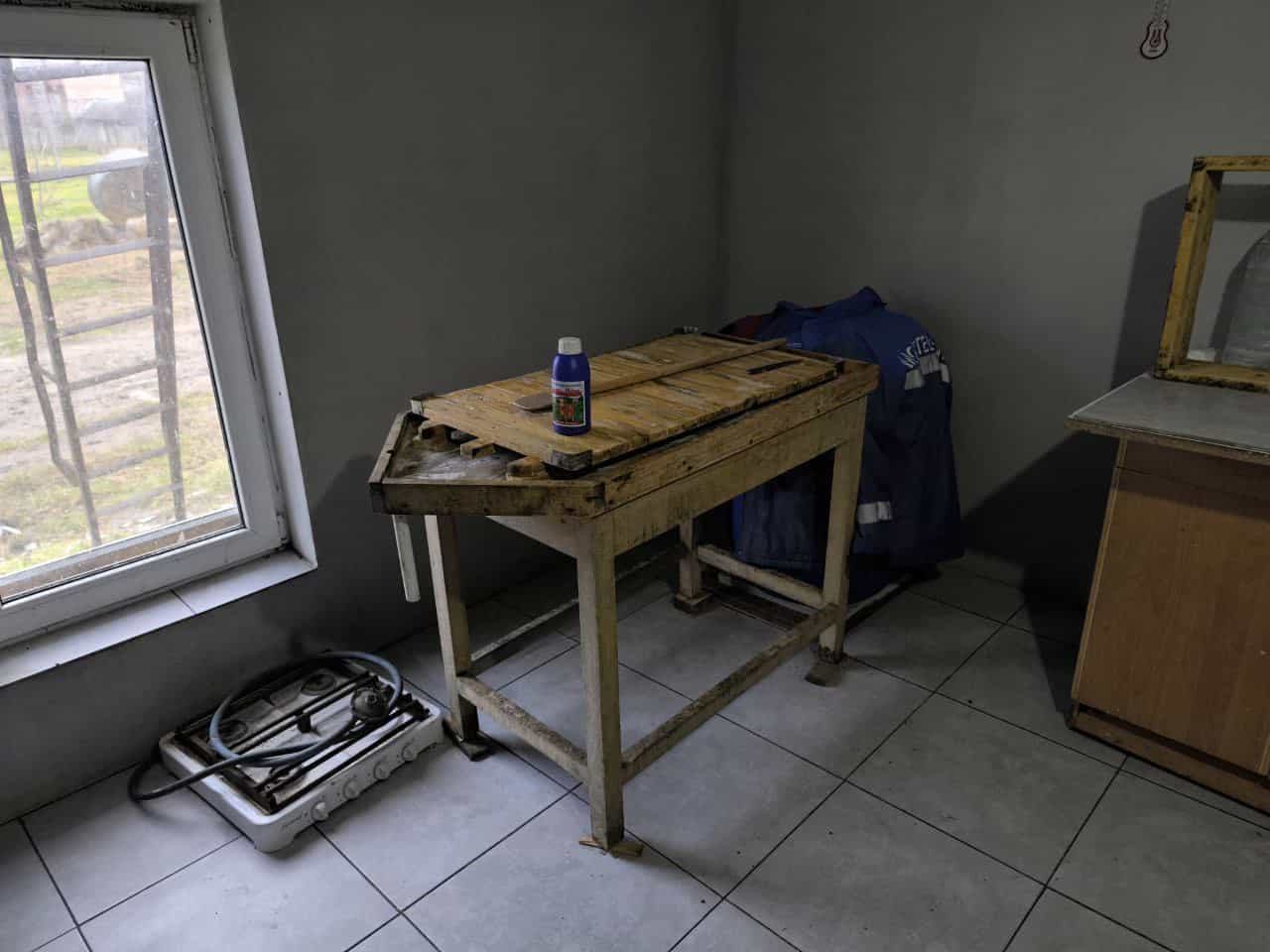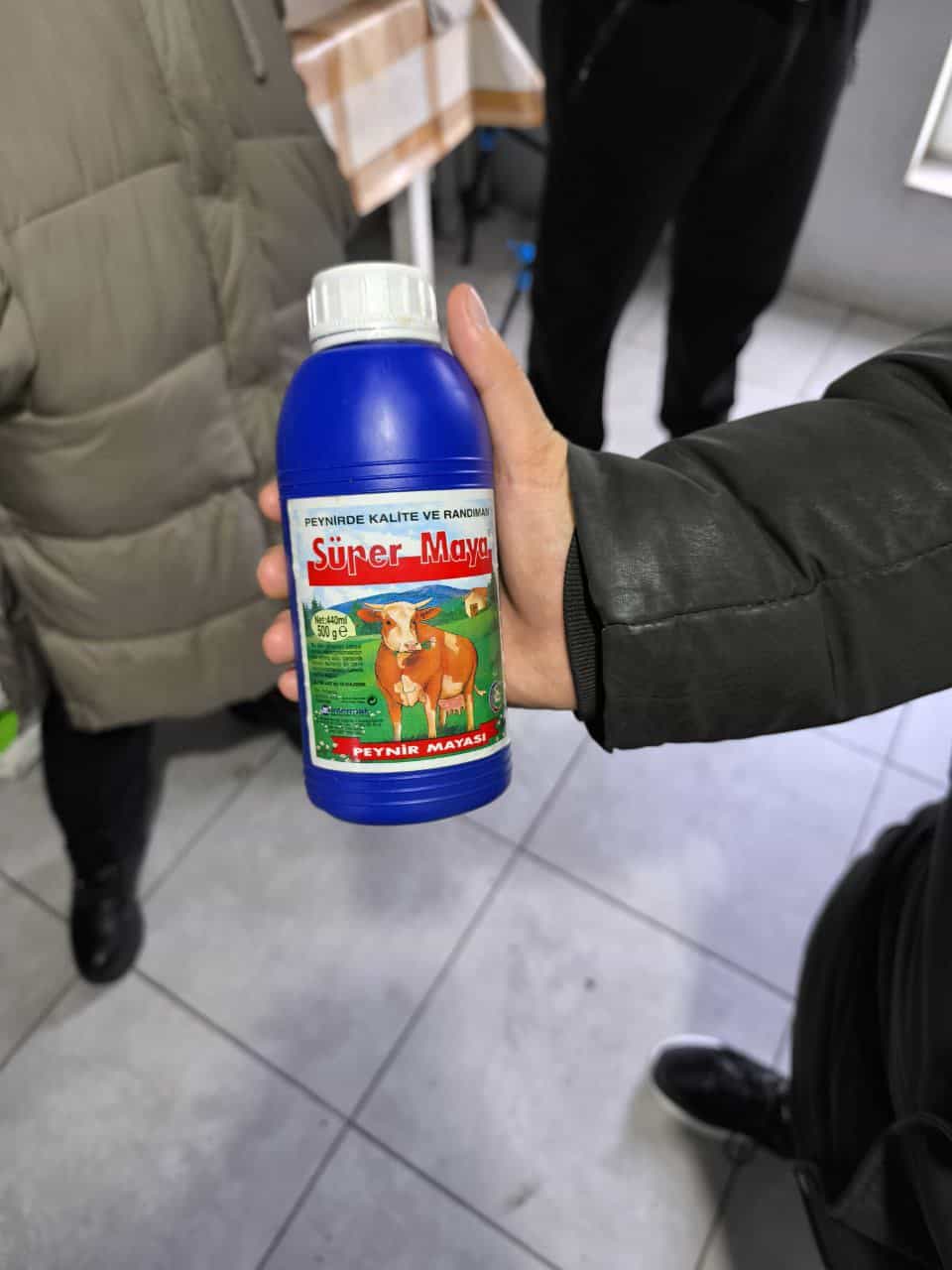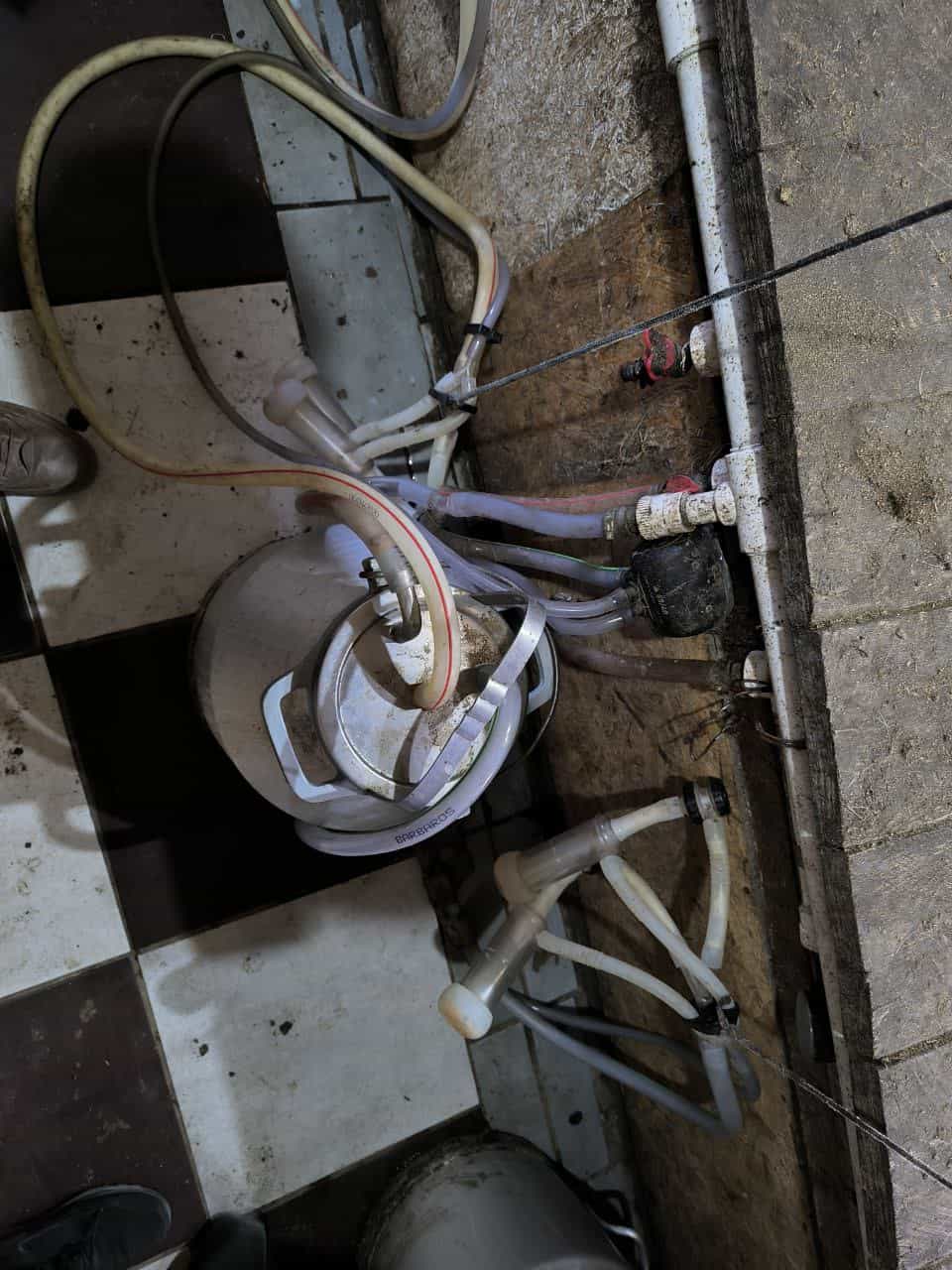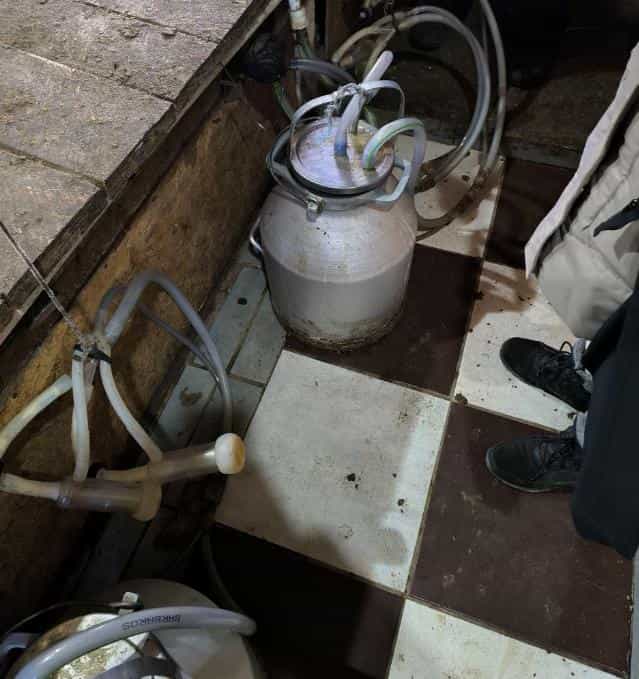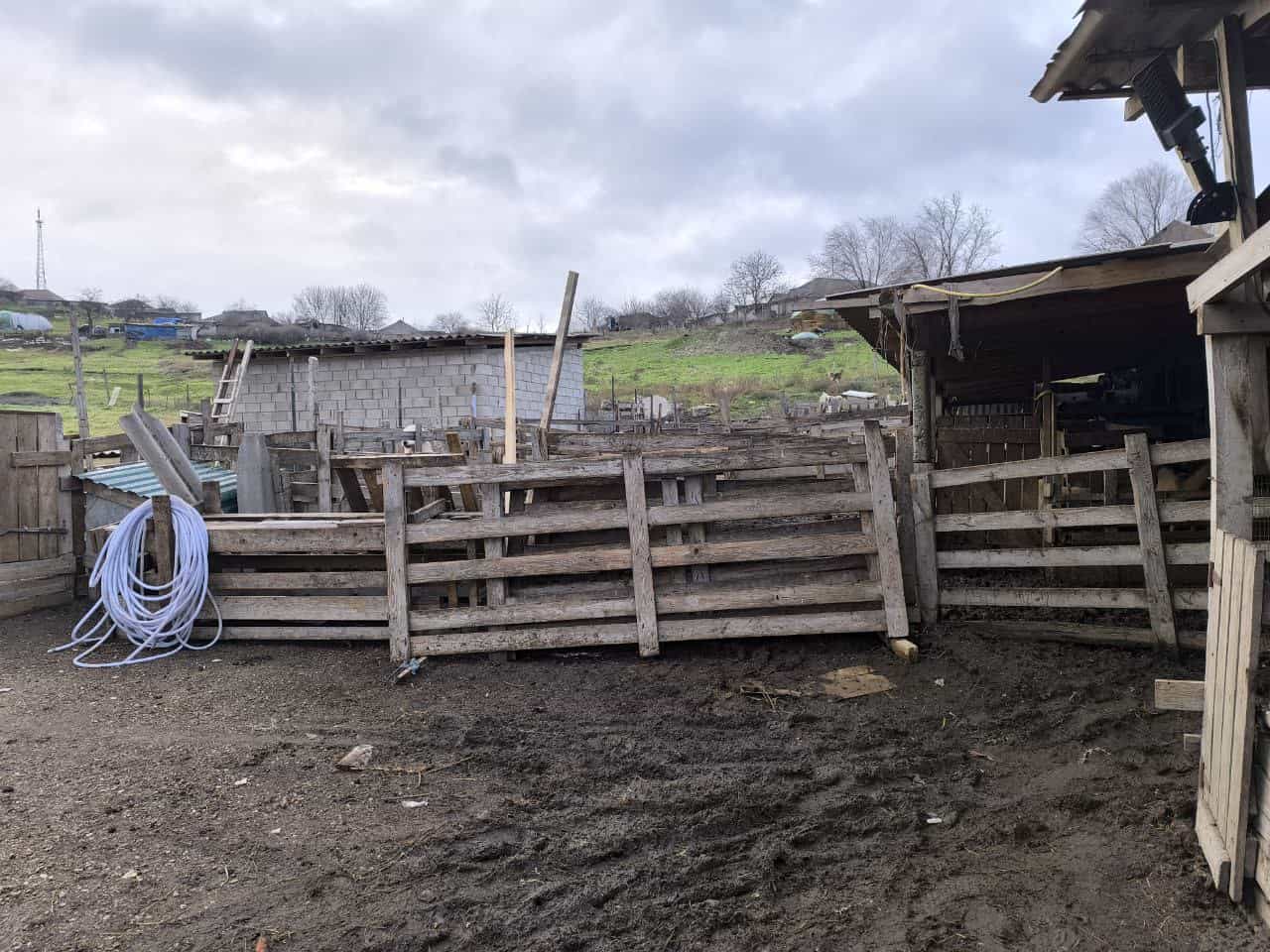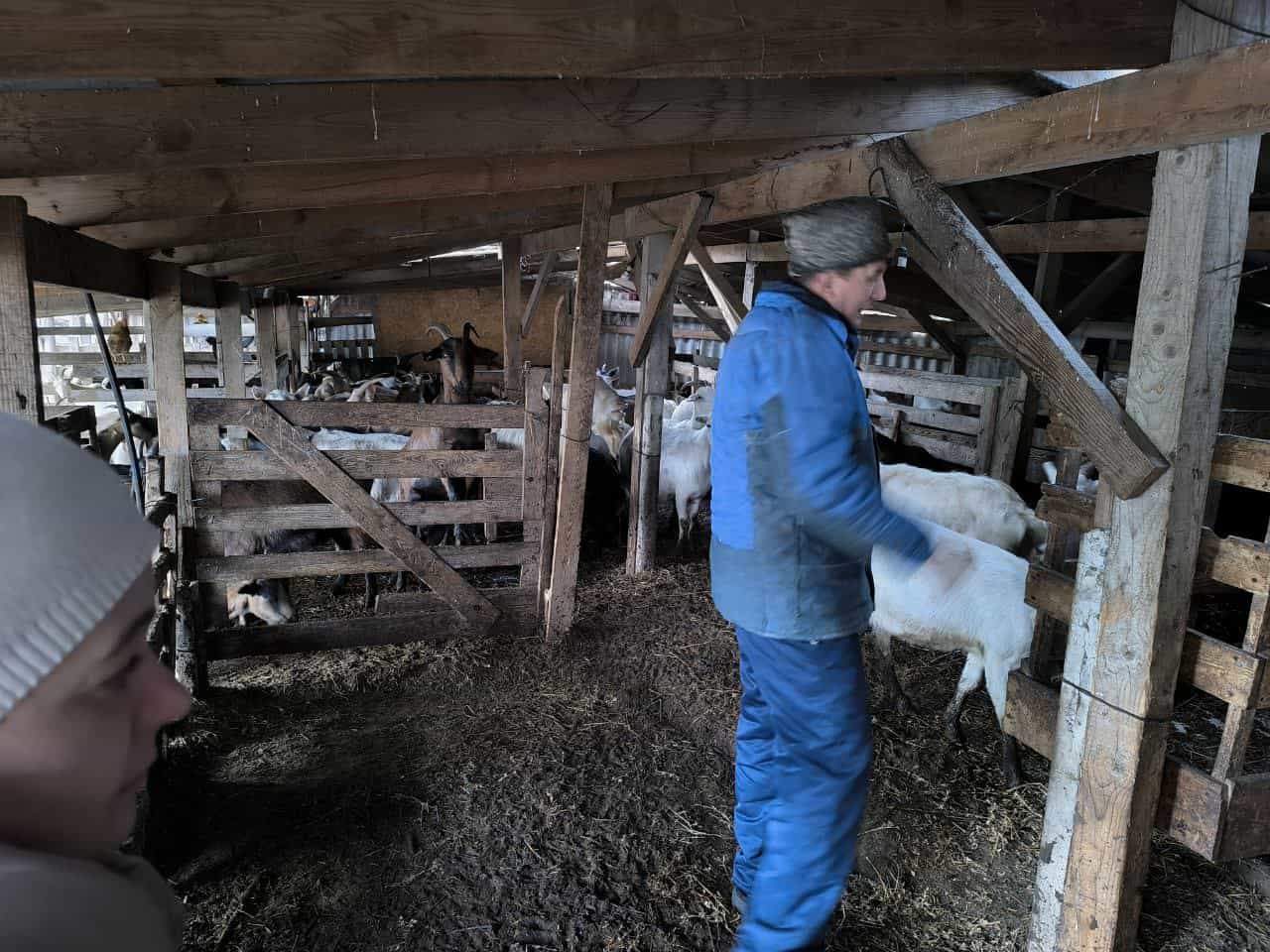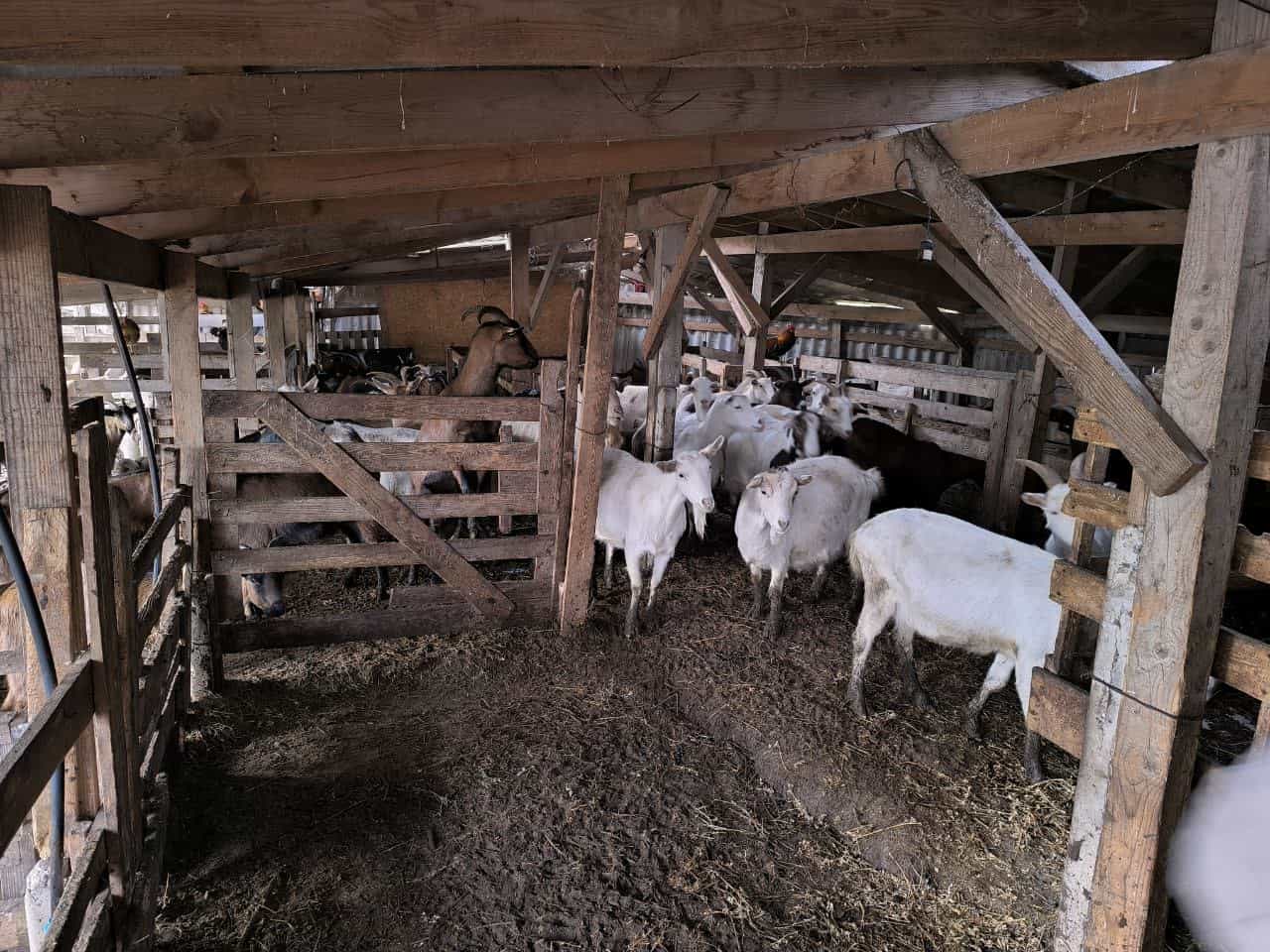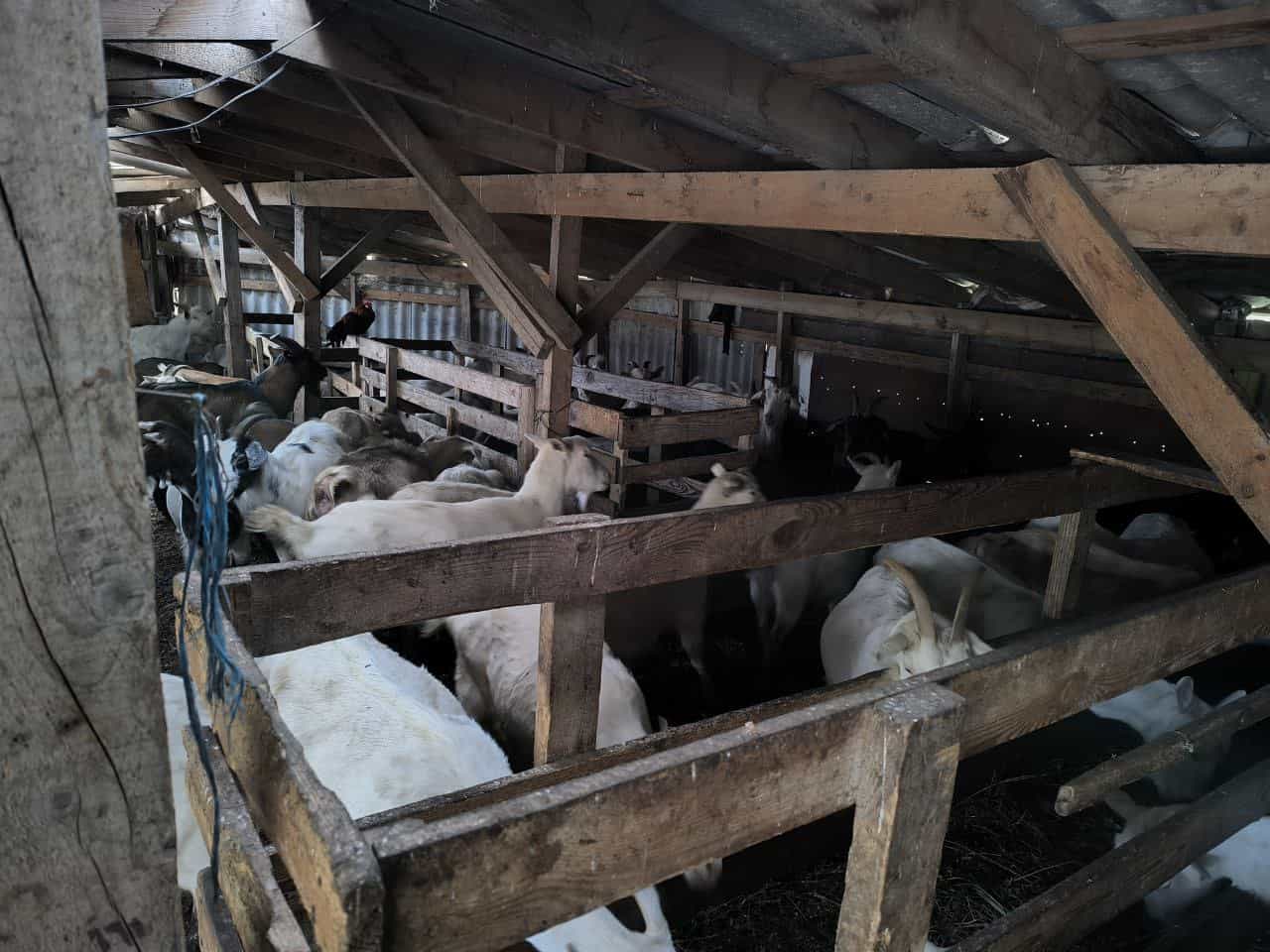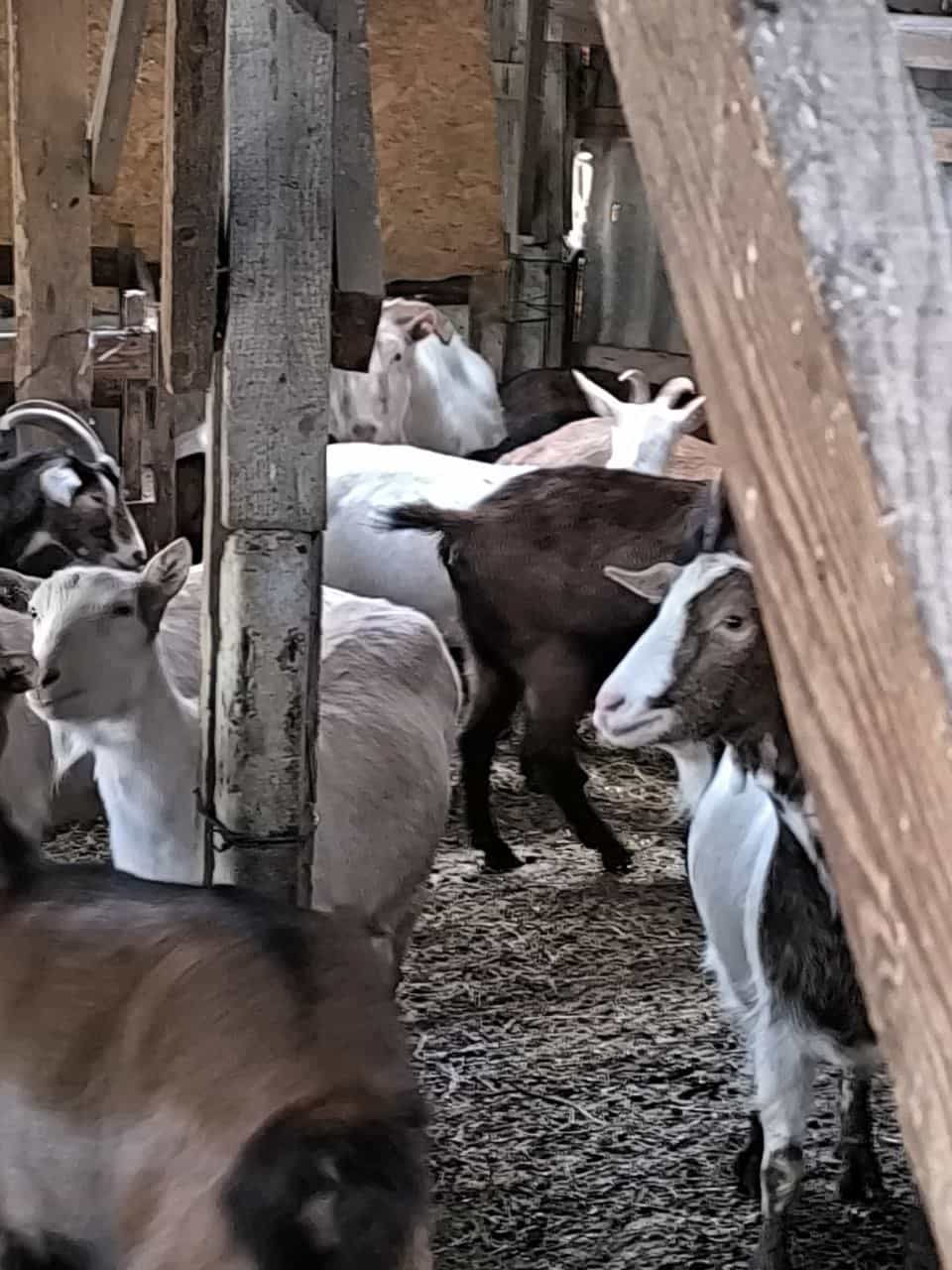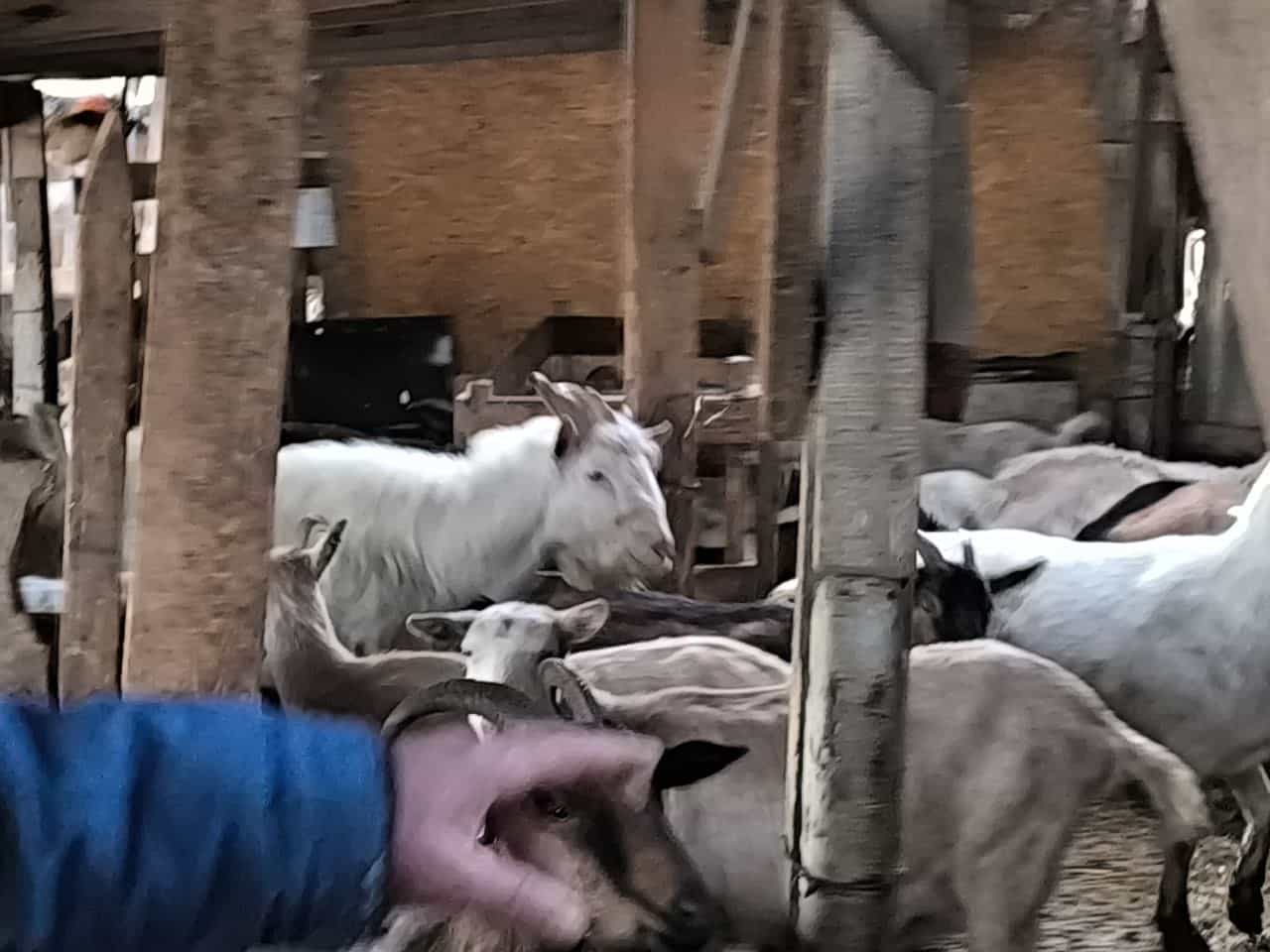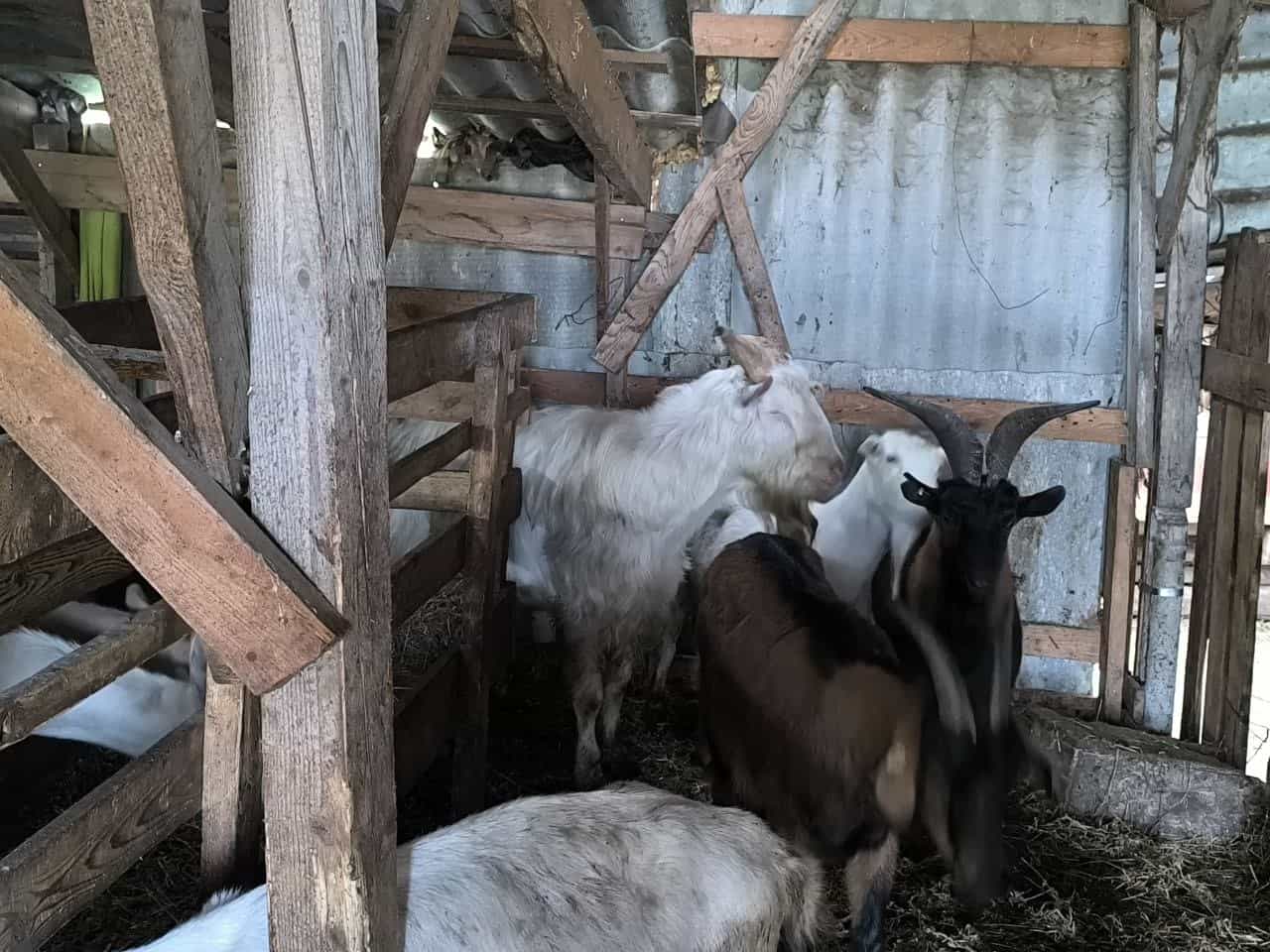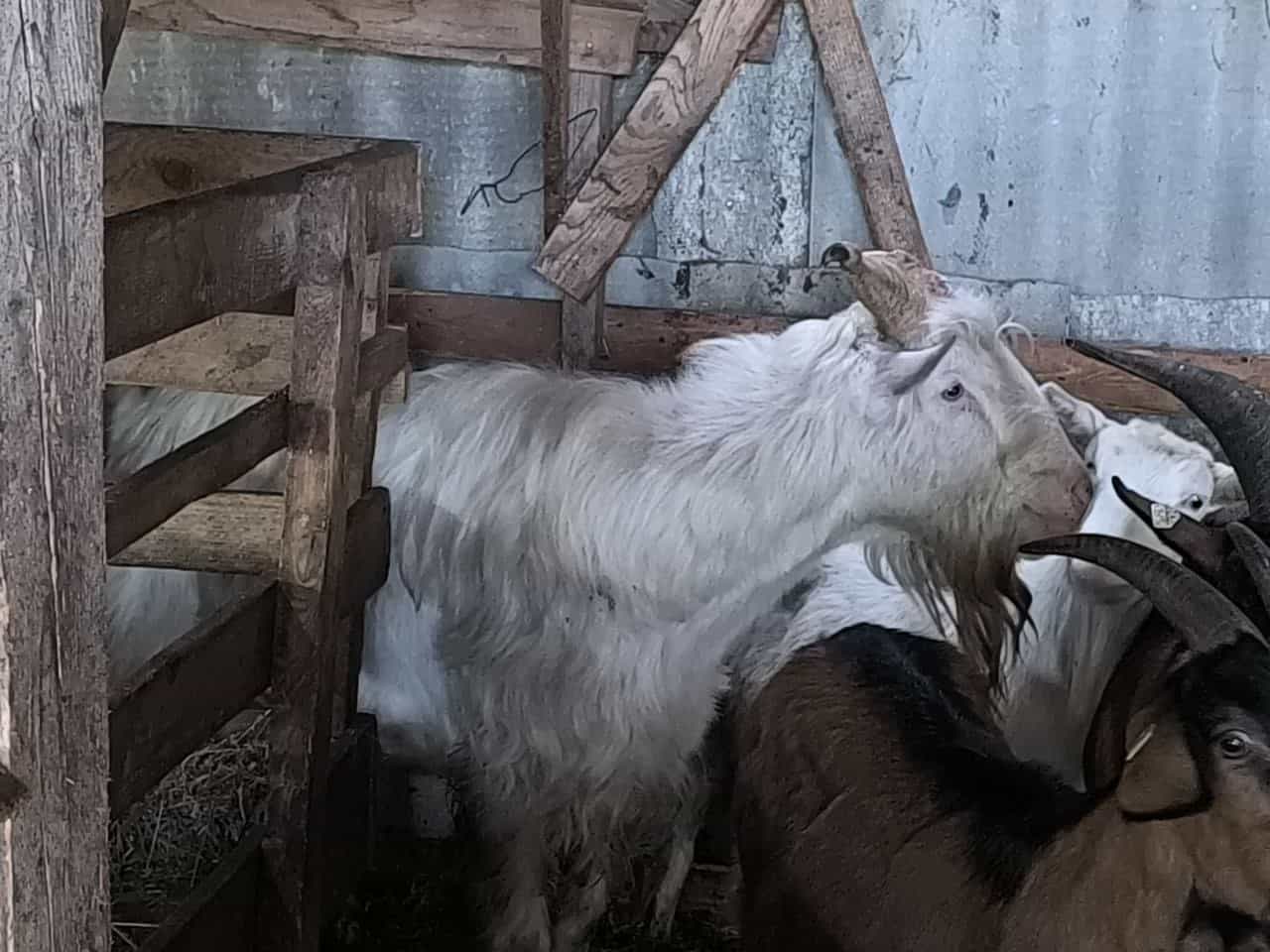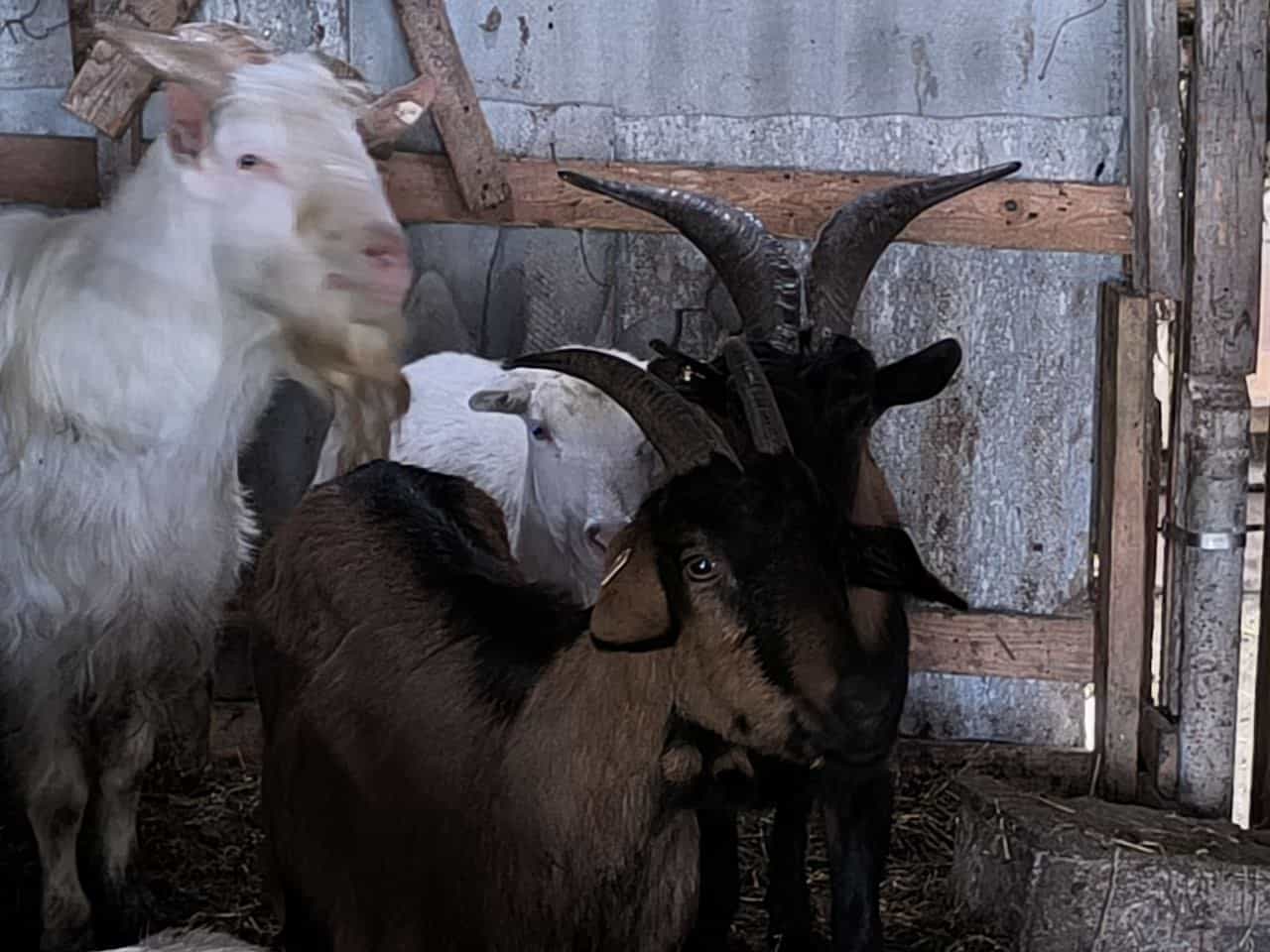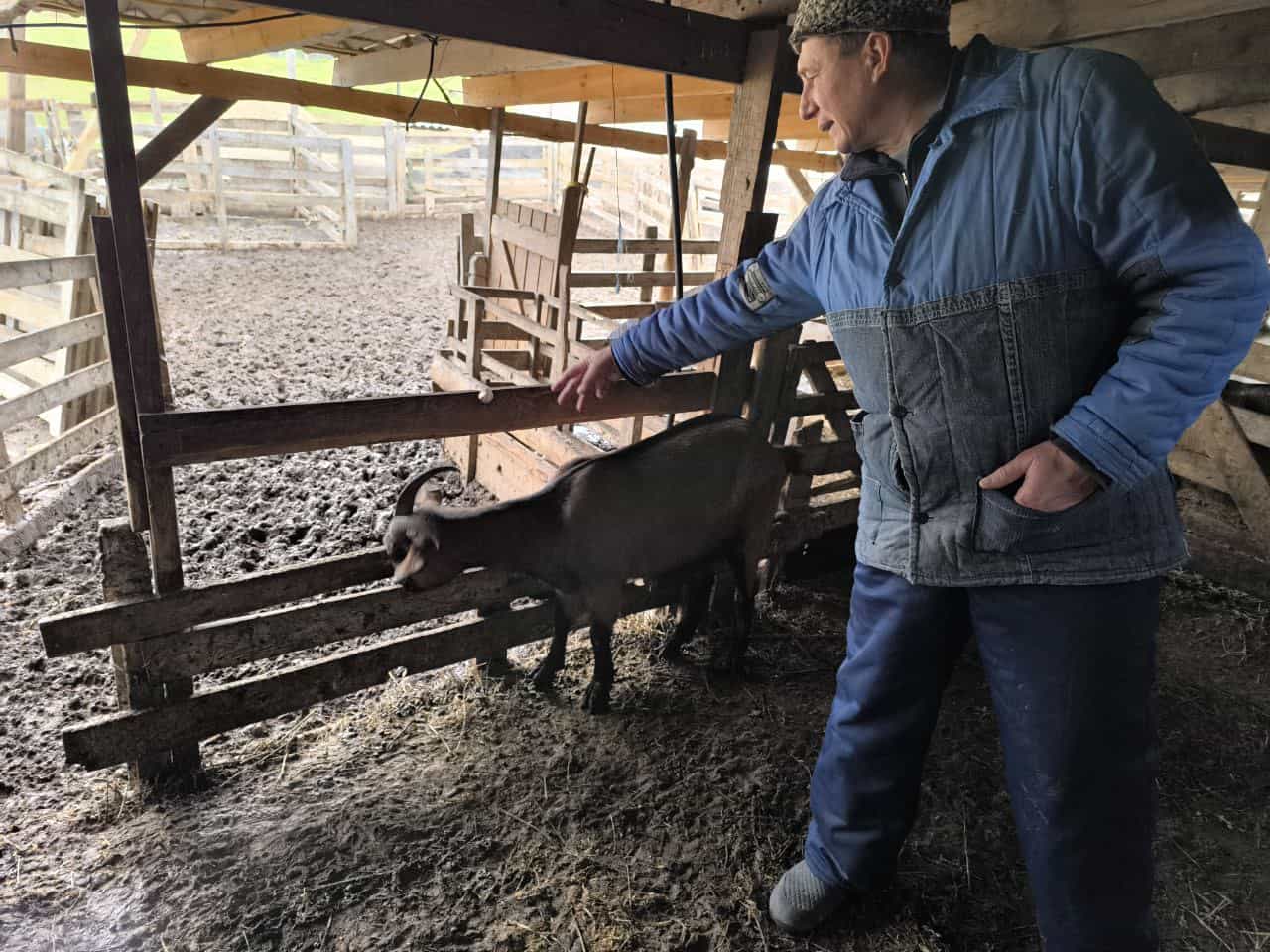



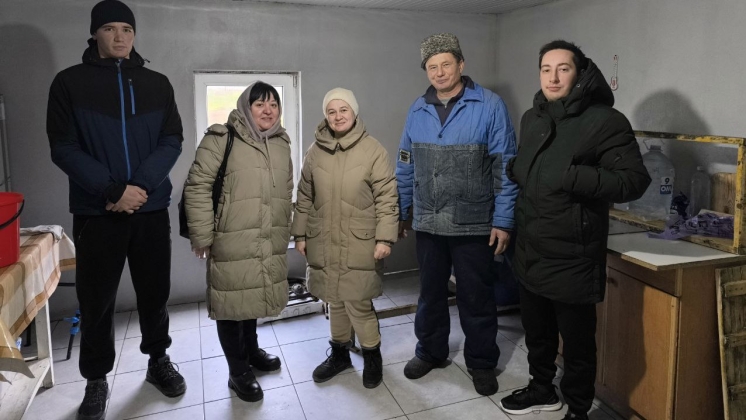

On December 13, 2024, students of the Agrarian-Technological Faculty of Comrat State University attended an off-site lesson on the discipline "Sheep and Goat Breeding." The practical session took place at the family agricultural enterprise SRL DMITNAT-ECO, located in the Comrat district. The farm is managed by Natalia Manol, who, together with her family, is actively involved in goat care, milking, and milk processing, showcasing an example of successful family farming. The session, organized by Alla Dmitrievna Kara, MSc in Agricultural Sciences and Assistant of the Department of "Production and Processing Technology of Agricultural Products," was an important step for students in acquiring professional skills. During the visit, future specialists studied goat housing methods, milking techniques, and feed ration formulation. They also gained hands-on experience in conducting the milking procedure. Visiting the farm introduced students to modern farming methods, including environmentally friendly approaches to animal husbandry. Dmitrii Manol, the deputy head of the enterprise, shared his experience in organizing work on the farm, emphasizing the importance of family involvement and proper task distribuition to increase production efficiency. Additionally, students had the opportunity to observe the milk processing and dairy production process. This gave them insight into how products move from farm to consumer and the significance of environmentally sustainable production for the development of agriculture in the region. Practical sessions of this format help students develop not only professional skills but also an understanding of the challenges modern farmers face. Field-based lessons enable students to see how theoretical knowledge is applied in practice and understand the importance of sustainable and eco-friendly farming practices. The Agrarian-Technological Faculty plans to expand cooperation with enterprises like SRL DMITNAT-ECO and continue organizing similar events in the future. This lays a solid foundation for training highly qualified specialists who will contribute to the development of the region’s agro-industrial sector.