


International Scientific and Practical Conference
“Science. Education. Culture”
Dedicated to the 35th anniversary of Comrat State University
Comrat, February 12, 2026
Moderators:
Ivanna Bancova — PhD, Associate Professor, Comrat State University
Galina Mutaf — Doctor of Pedagogical Sciences, Head of the Department of Gagauz Philology and History, Comrat State University
Vitali Sîrf — Doctor of Philology, Lecturer, Comrat State University
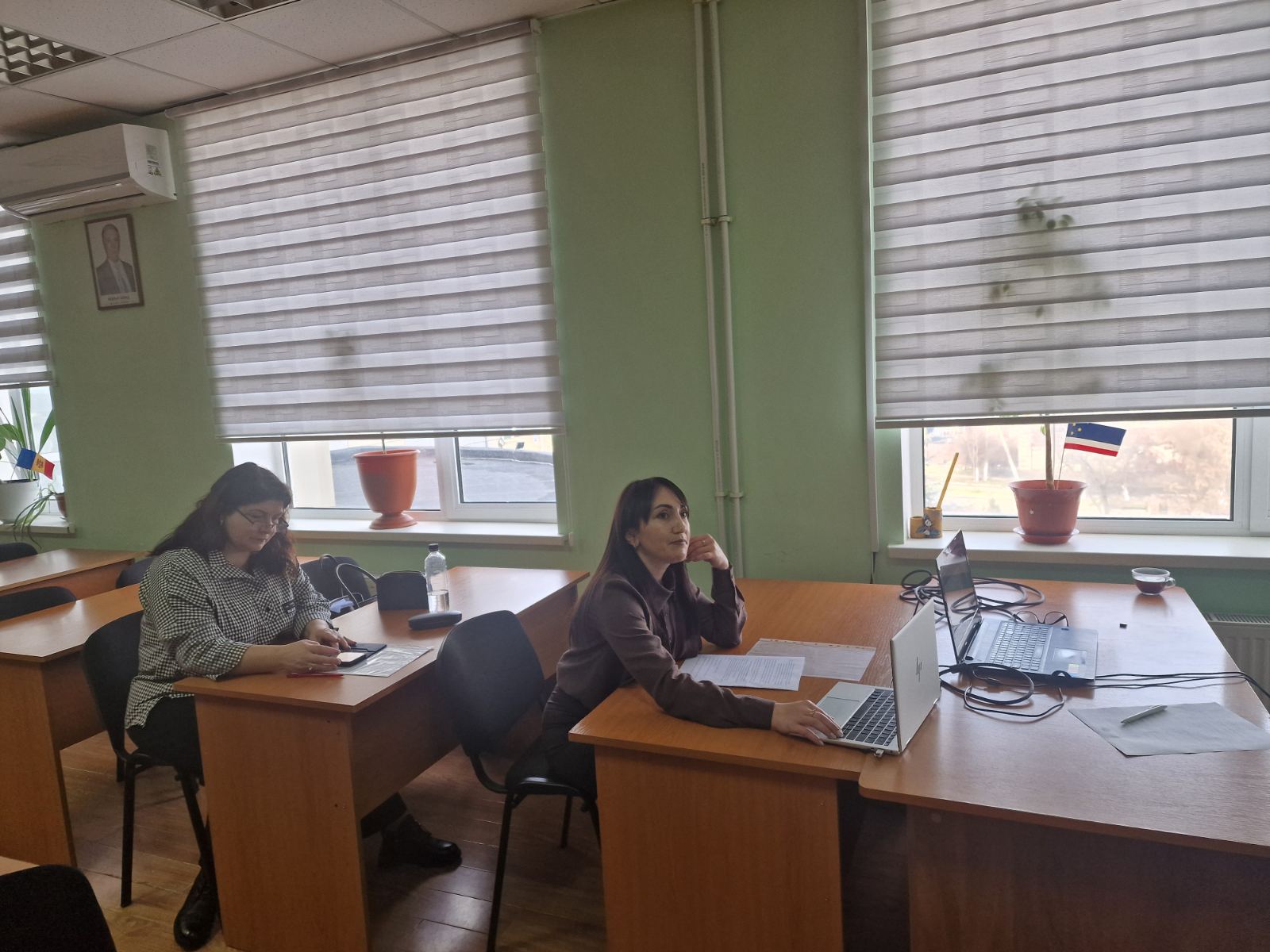
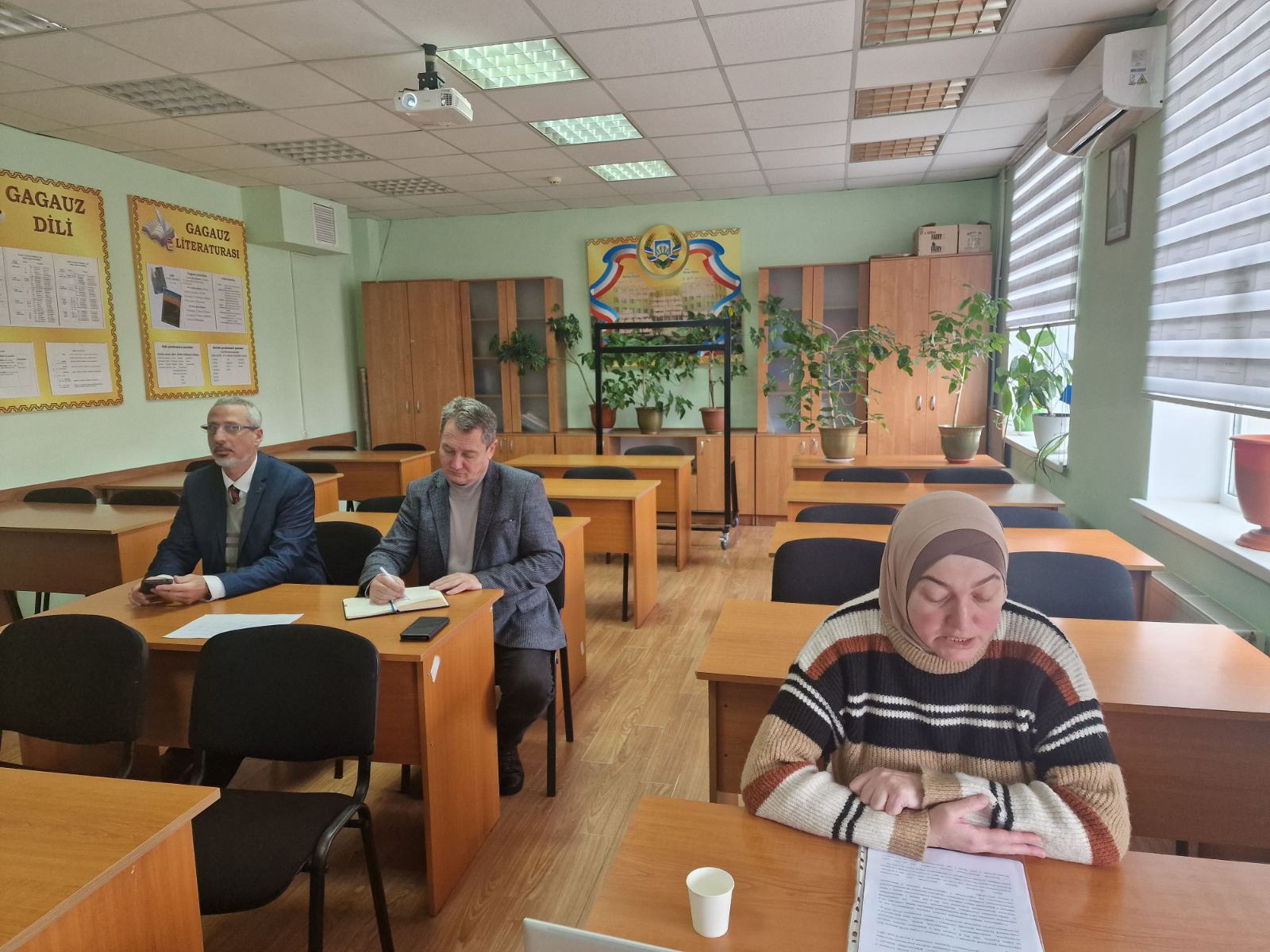
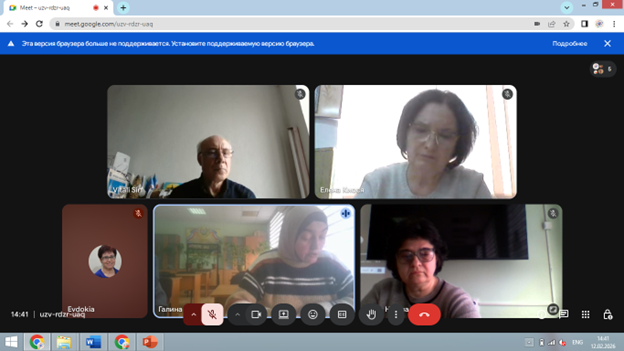
Within the framework of the International Scientific and Practical Conference “Science. Education. Culture”, dedicated to the 35th anniversary of Comrat State University, the work of Section 6.2 “Gagauz Language (Theory and Practice)” was held. The section brought together philologists, university professors, teachers, doctoral students, and practitioners of the educational system of the Republic of Moldova.
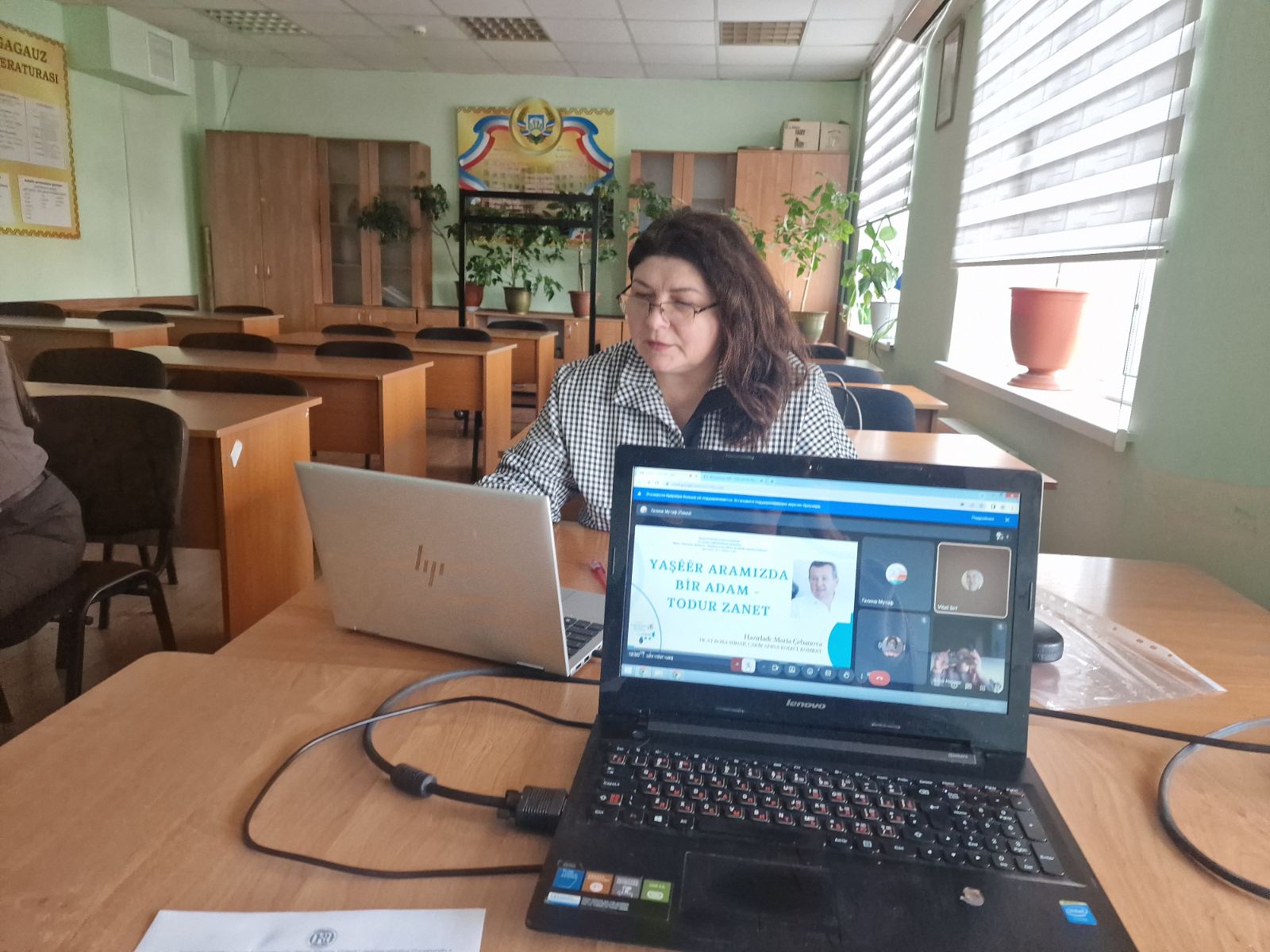
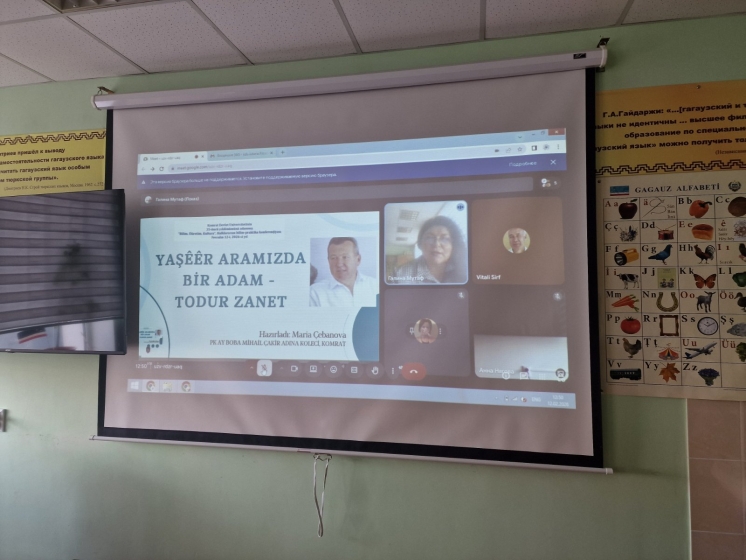
The section was held in both offline and online formats and demonstrated the high scientific and methodological level of the presented research, the relevance of the issues discussed, and their practical orientation.
The following key areas were considered:
- development of oral speech among primary school students;
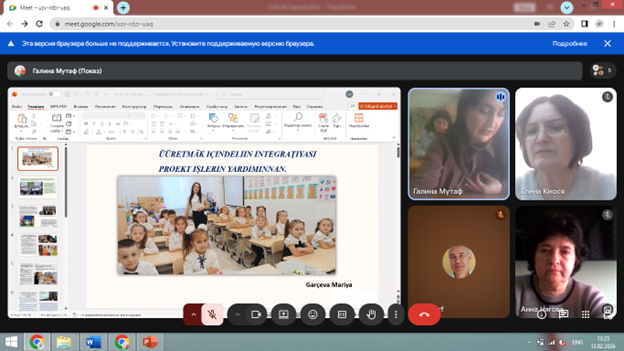
• integration of project-based technologies into the educational process;
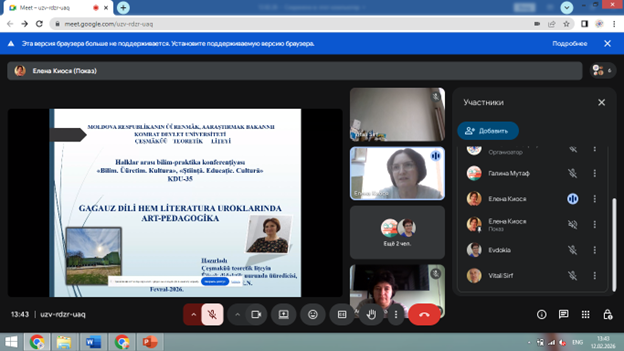
• use of art pedagogy in teaching the Gagauz language and literature;
• semantic and morphological features of the Gagauz language;
• problems and models of bilingual education;
• dialectological and etymological research;
• study of the language and folklore of the Gagauz people in the context of researchers’ scientific heritage.
Particular scientific interest was generated by reports devoted to the semantic field “speech” in the Gagauz language, issues of bilingual education, and the analysis of ritual calendar vocabulary in Gagauz dialects. Significant contributions to the discussion were also made by studies on the history of research on the Gagauz language and folklore, in particular the interpretation of the scientific heritage of Mihail Guboglu.
The following issues were discussed:
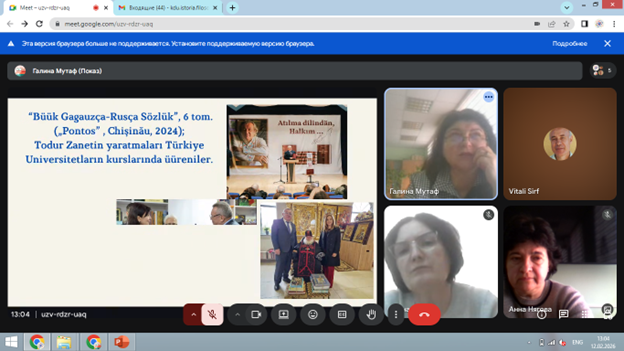
– the large-scale activities of the Gagauz writer Todur Zanet, including efforts aimed at preserving and promoting the Gagauz language and traditional culture;
– integration of educational content through project developments by preschool educators;
– the use of visual and musical means in Gagauz language and literature classes;
– bilingual education in terms of models, methods, and practical implementation;
– the study of Gagauz surnames related to professional activities;
– etymological research of the names of ritual calendar breads in Gagauz dialects;
– consideration of the scientific heritage of the outstanding Romanian scholar Mihail Guboglu in relation to the language and folklore of the Gagauz people.
The participants of the section note:
- The growing importance of comprehensive studies of the Gagauz language in a bilingual and multilingual educational environment.
- The need for active implementation of modern pedagogical technologies in teaching the Gagauz language and literature.
- The importance of preserving and studying the dialectal and folklore heritage of the Gagauz people.
- The relevance of an interdisciplinary approach to studying language as a cultural and sociocultural phenomenon.
- The significance of scientific research aimed at developing the terminology, semantics, and morphology of the Gagauz language.
Based on the results of the section, it is recommended to:
- encourage the teacher of Gagauz language and literature Maria Cebanova to continue collecting and analyzing materials on the life and activities of the Gagauz writer Todur Zanet in order to prepare his biography in book form;
• recommend that Comrat State University and the Main Directorate of Education of Gagauzia organize public lectures at the university, the pedagogical college, and the lyceums of the autonomy by Doctor of Philology and Associate Professor Evdocia Soroceanu devoted to the theory and practice of etymological research using elements of traditional Gagauz culture;
• continue fundamental and applied research in the field of Gagauz philology;
• expand cooperation between educational institutions and research centers;
• intensify publication activity on issues of Gagauz linguistics and teaching methodology;
• implement innovative educational technologies and practice-oriented teaching methods;
• support young researchers and teachers working in the field of the Gagauz language and literature.
The work of Section 6.2 confirmed the high scientific potential of researchers and practitioners, as well as the prospects for further development of Gagauz philology in the context of modern educational and cultural processes.