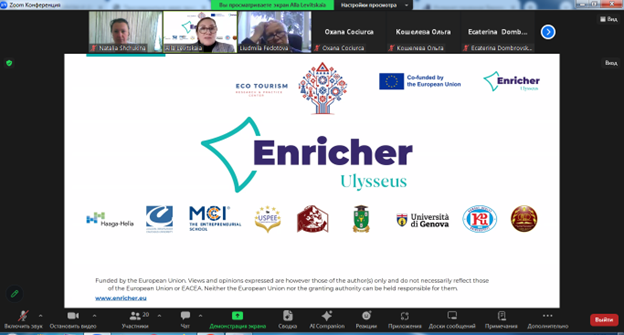




From April 27 to 30, 2026, the intensive course "Sustainable Tourism and Service Design" was successfully held at Comrat State University as part of the ENRICHER project. The course brought together over 50 participants—representatives of the tourism industry, entrepreneurs, and local and regional government officials.
On the first day, Associate Professor Ludmila Fedotova, coordinator of the ENRICHER project at Comrat State University, delivered a welcoming address. In her speech, she presented the main areas and activities being implemented within the project and emphasized its importance for the development of sustainable tourism in the region. Particular attention was paid to the opening of a green tourism hub at the university, which has already been actively integrated into the educational process for students in the Faculty of Economics and is also used in the educational and practical activities of students from other faculties. The course program was intensive and focused on the practical application of modern approaches to sustainable tourism.
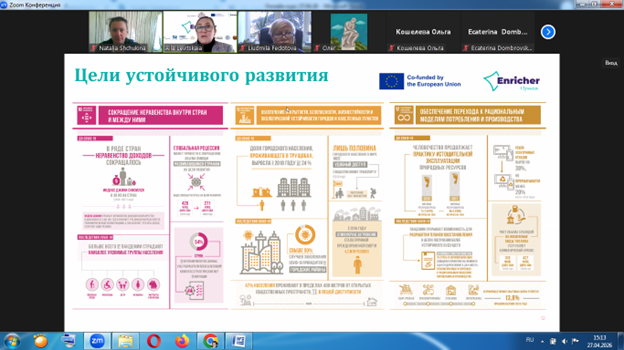
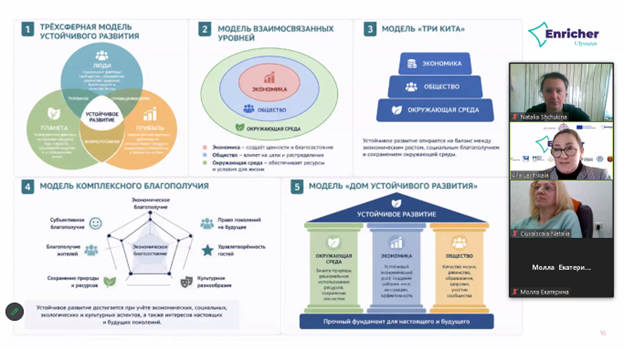
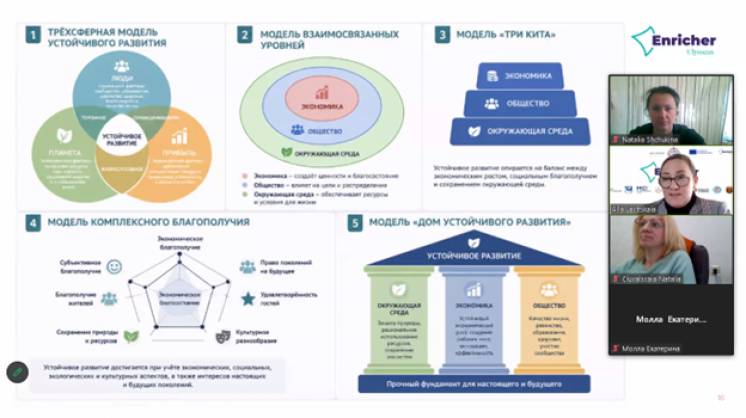
On the first day, participants learned the fundamentals of sustainable tourism and sustainable development. Key concepts were discussed, including the impact of tourism on the economy, ecology, and socio-cultural environment of regions, as well as the role of the "green economy." Particular attention was paid to developing a sustainable mindset and addressing contemporary challenges in the industry, including climate change, overtourism, and pressure on natural resources. The practical portion included group work on a comprehensive assessment of tourism's impact on specific destinations, followed by a presentation of the results.
On the second day, issues of destination management and stakeholder interactions were explored. Participants explored the concept of the experience economy, the specifics of developing gastronomic and wine tourism, and tools for enhancing the local identity of regions. Considerable attention was paid to creating a "customer profile"—analyzing the target audience, their motivations, and expectations. Participants also mastered the "customer journey map" tool, which allows them to identify bottlenecks and improve the user experience. The acquired knowledge was reinforced through group work and presentations.
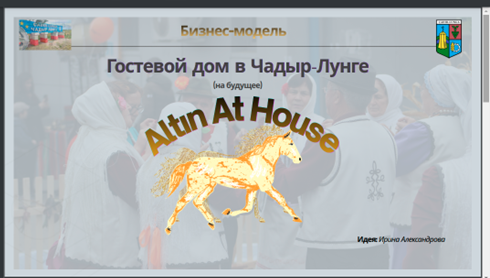
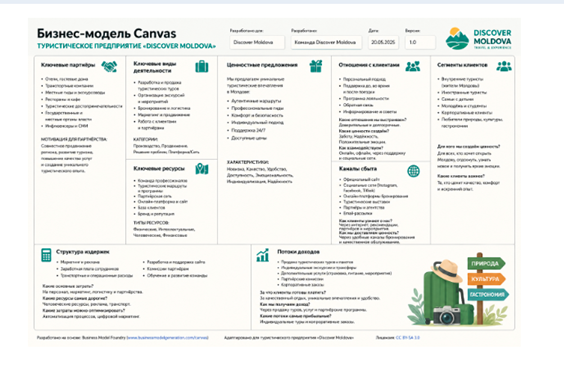
The third day was dedicated to tourism service design. Participants learned about service design principles and approaches to service quality management in tourism. The design thinking process was explored—from problem identification to the development and implementation of customer-focused solutions. The Canvas business model, its structure, and application in the tourism sector, including sustainable business models, were also explored. In the practical part, participants developed their own tourism product and service designs using the canvas and presented them.
The fourth day was devoted to research and prototyping. Participants explored data collection methods, including interviews, surveys, and focus groups, and their application in tourism product development. Techniques for idea generation, selection, and testing were also discussed. A separate section was devoted to the role of social media and online resources in promoting the tourism business, including an overview of key platforms and organizations for tourism development in Moldova. The course concluded with a final group work on developing sustainable tourism product concepts using all the tools studied.
The course was led by experienced trainers and experts—professionals from the Department of Economics at CSU's Faculty of Economics—Dr. Habil. Professor Alla Levitskaia, PHD, Associate Professor Svetlana Ghenova, PHD Associate Professor Lyubov Arikova. Their practical experience, gained during the Enricher’ project's seminars and training sessions for trainers from partner universities, and their interactive approach ensured a high level of participant engagement and effective learning.
Following the course, participants presented their developed study projects, exchanged opinions, and received valuable recommendations. All participants received certificates. Participants noted the course's high practical relevance, the relevance of the topics, and the potential for applying the acquired knowledge in their professional work.

The Erasmus+ ENRICHER hubs project – “Designing Green Tourism Concept through Learning” (Project number: 101082919) is funded by the European Union. Views and opinions expressed are however those of the author(s) only and do not necessarily reflect those of the European Union or the European Education and Culture Executive Agency (EACEA). Neither the European Union nor EACEA can be held responsible for them. Project is implemented by the consortium members: project grant coordinator - Haaga-Helia University of Applied Sciences (Finland); MCI The Entrepreneurial school® (Austria); University of Genoa (Italy); Caucasus University (Georgia), Akaki Tsereteli State University (Georgia), Iakob Gogebashvili Telavi State University (Georgia); University of European Political and Economic Studies Constantin Stere (Moldova), Moldova State University (Moldova), Comrat State University (Moldova).