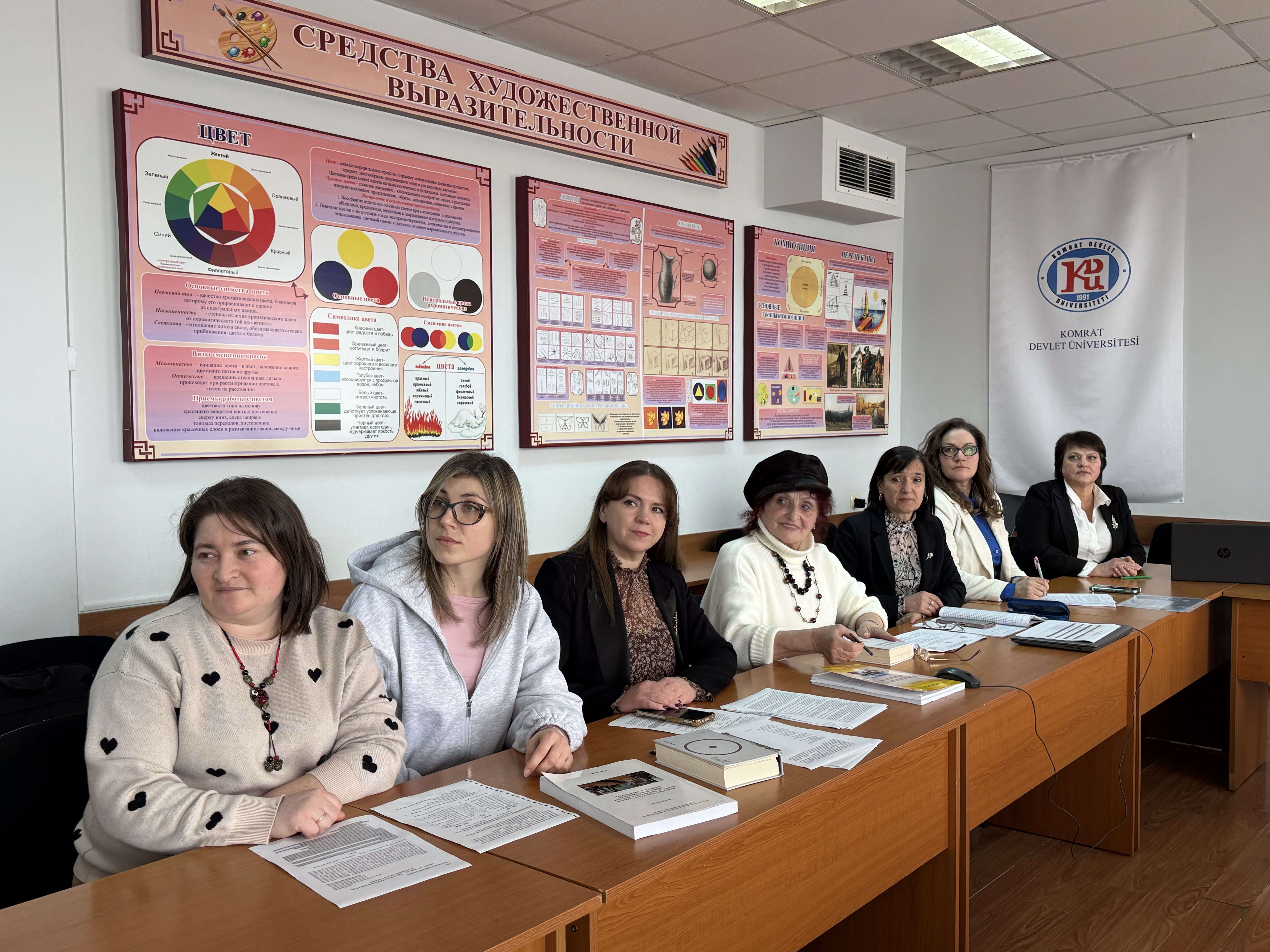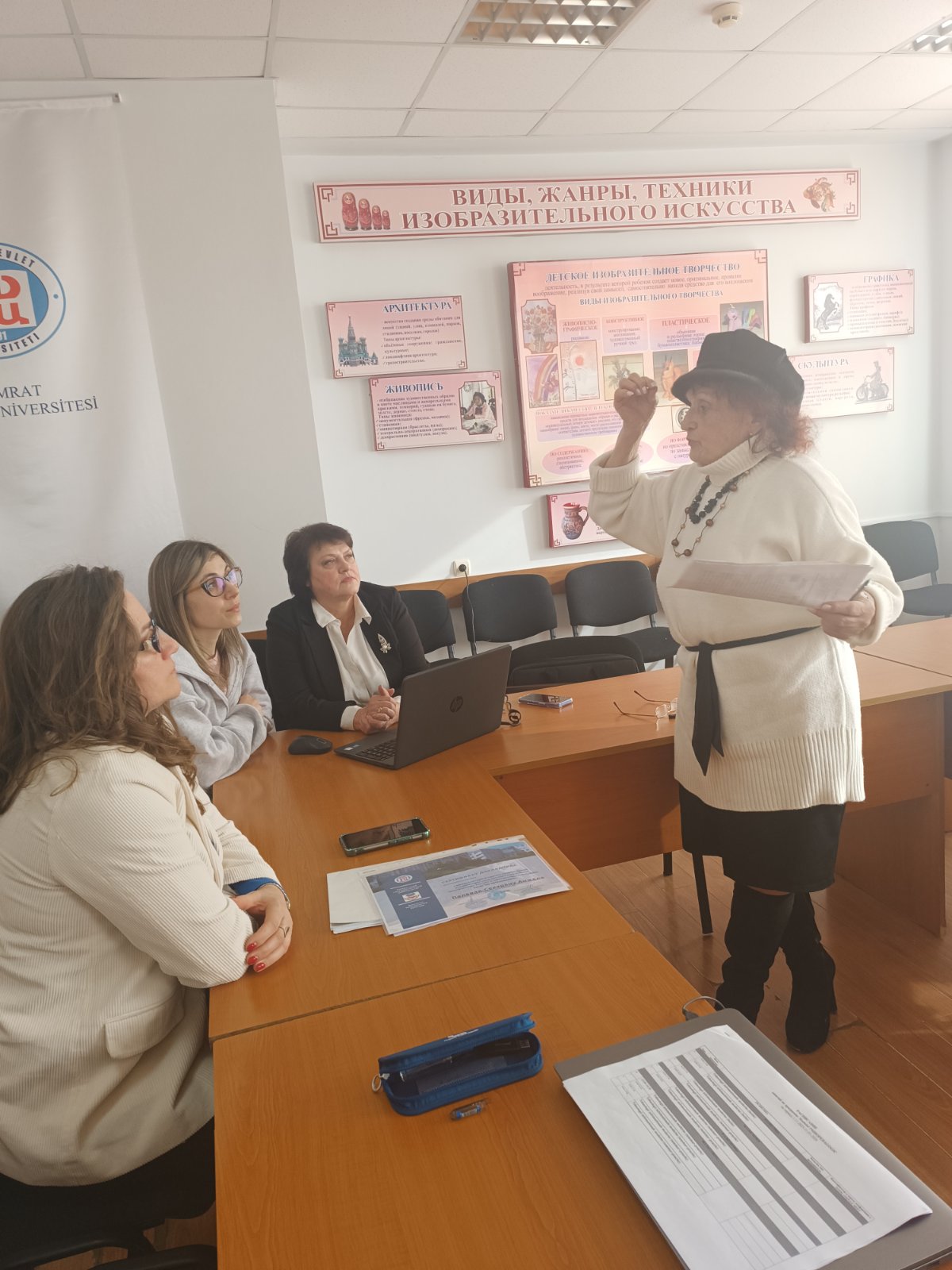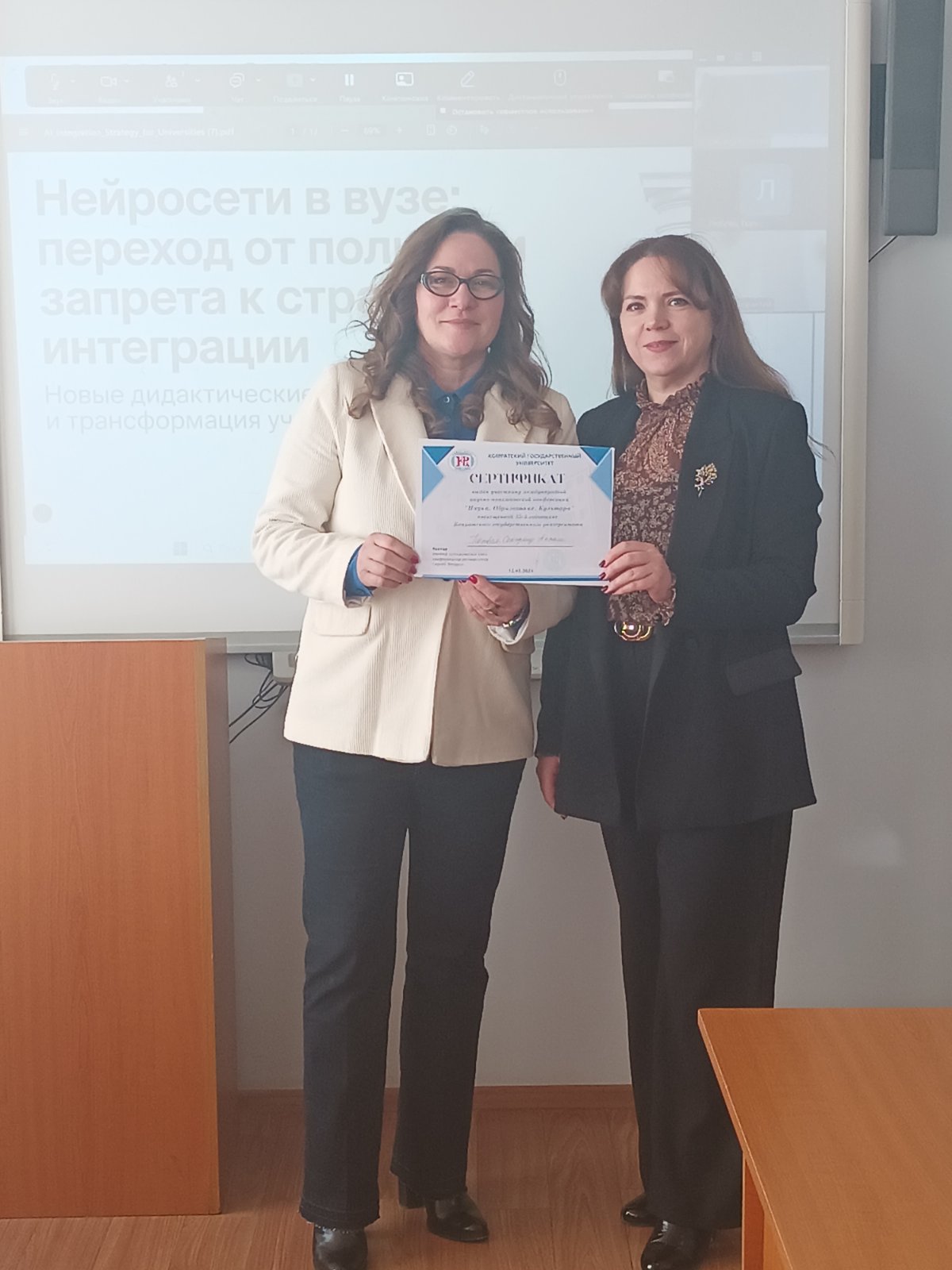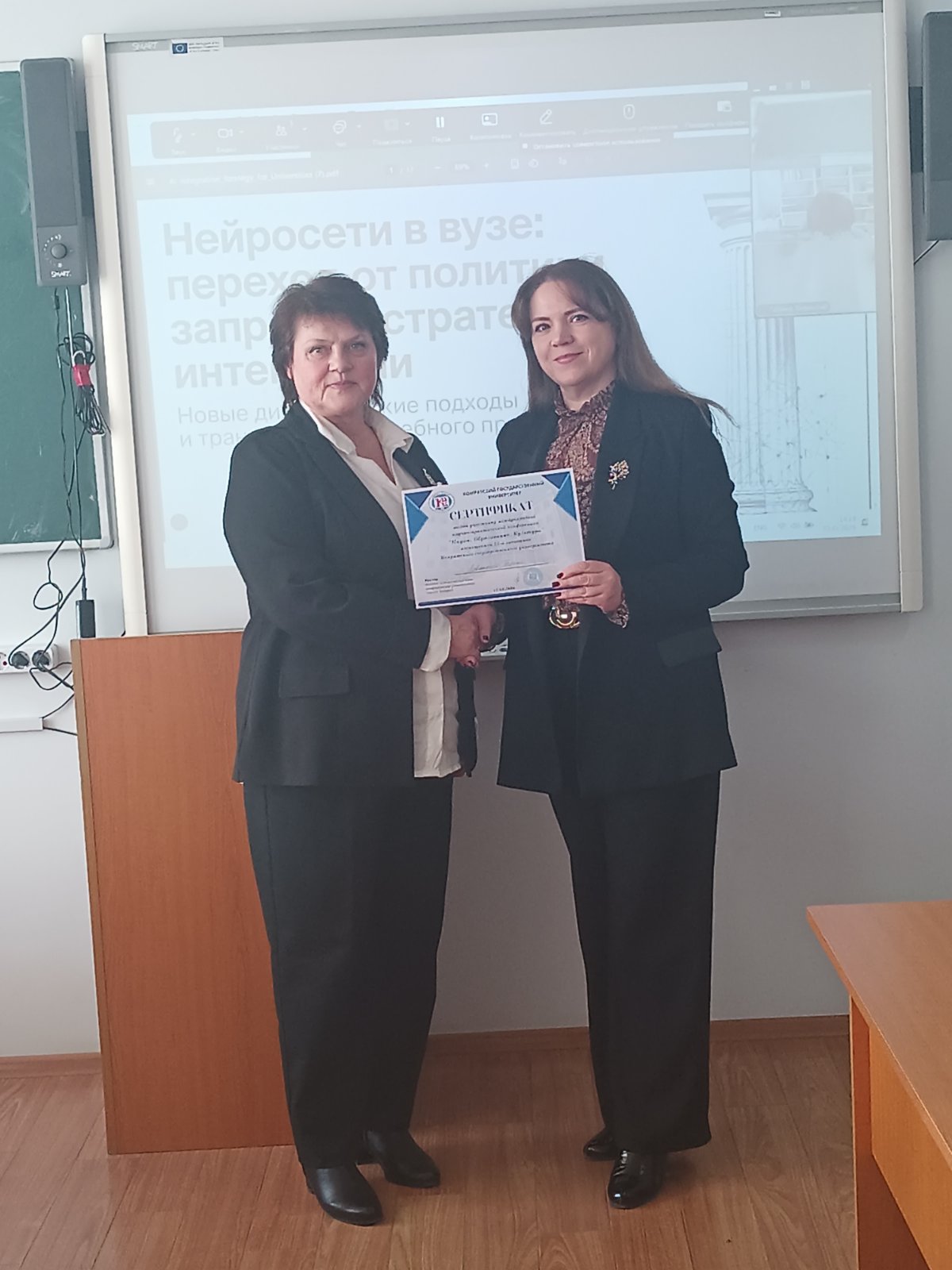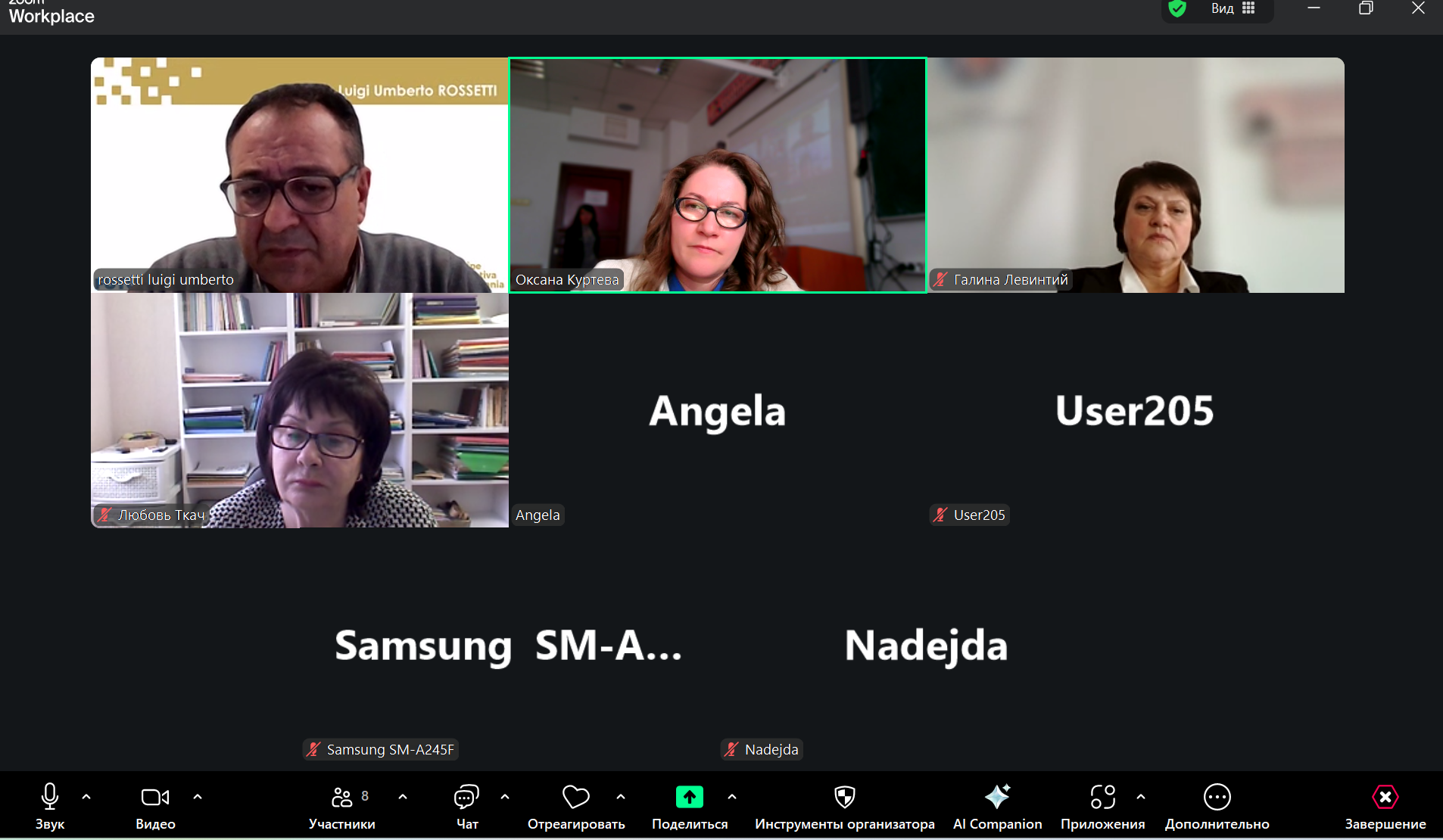



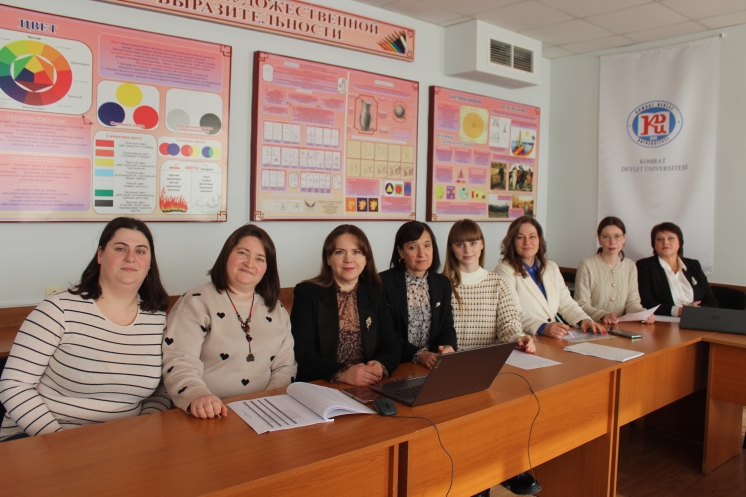
On February 12, 2026, within the framework of the International Scientific-Practical Conference "Science. Education. Culture," dedicated to the 35th anniversary of Comrat State University, Section 5.3 "Innovative Didactics: Methods, Strategies, and Digital Learning Tools" successfully concluded its work.
It was an intense and productive discussion on how modern pedagogy is evolving under the influence of technology and new scientific approaches. The geography of participants and the diversity of topics confirm that the search for effective teaching strategies is more relevant than ever.
Section Moderators:
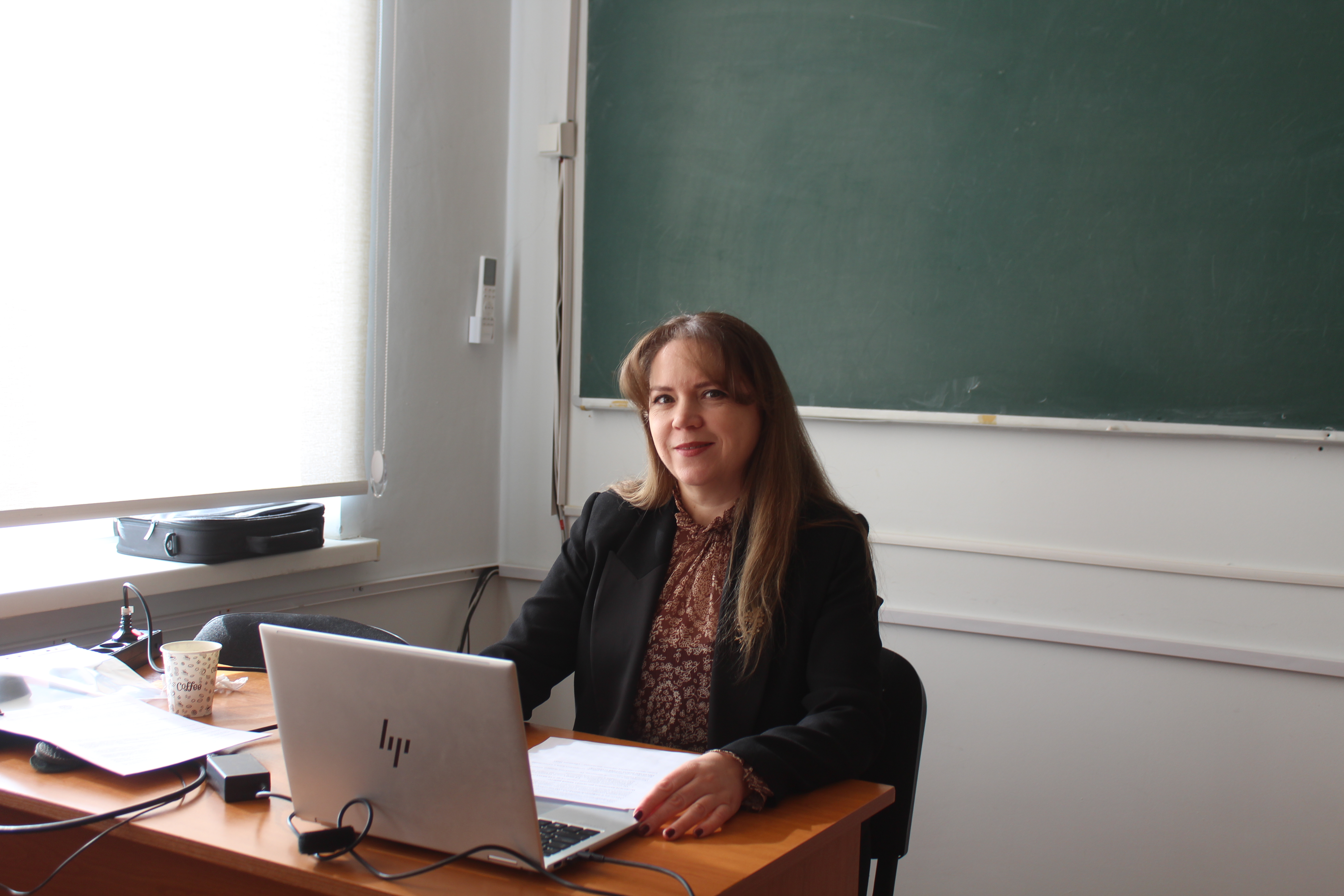
- Oxana Curteva, PhD, Associate Professor
- Irina Bianova, PhD, Lecturer
During the session, reports covering a wide range of innovations were presented – from neural networks to inclusive sports:
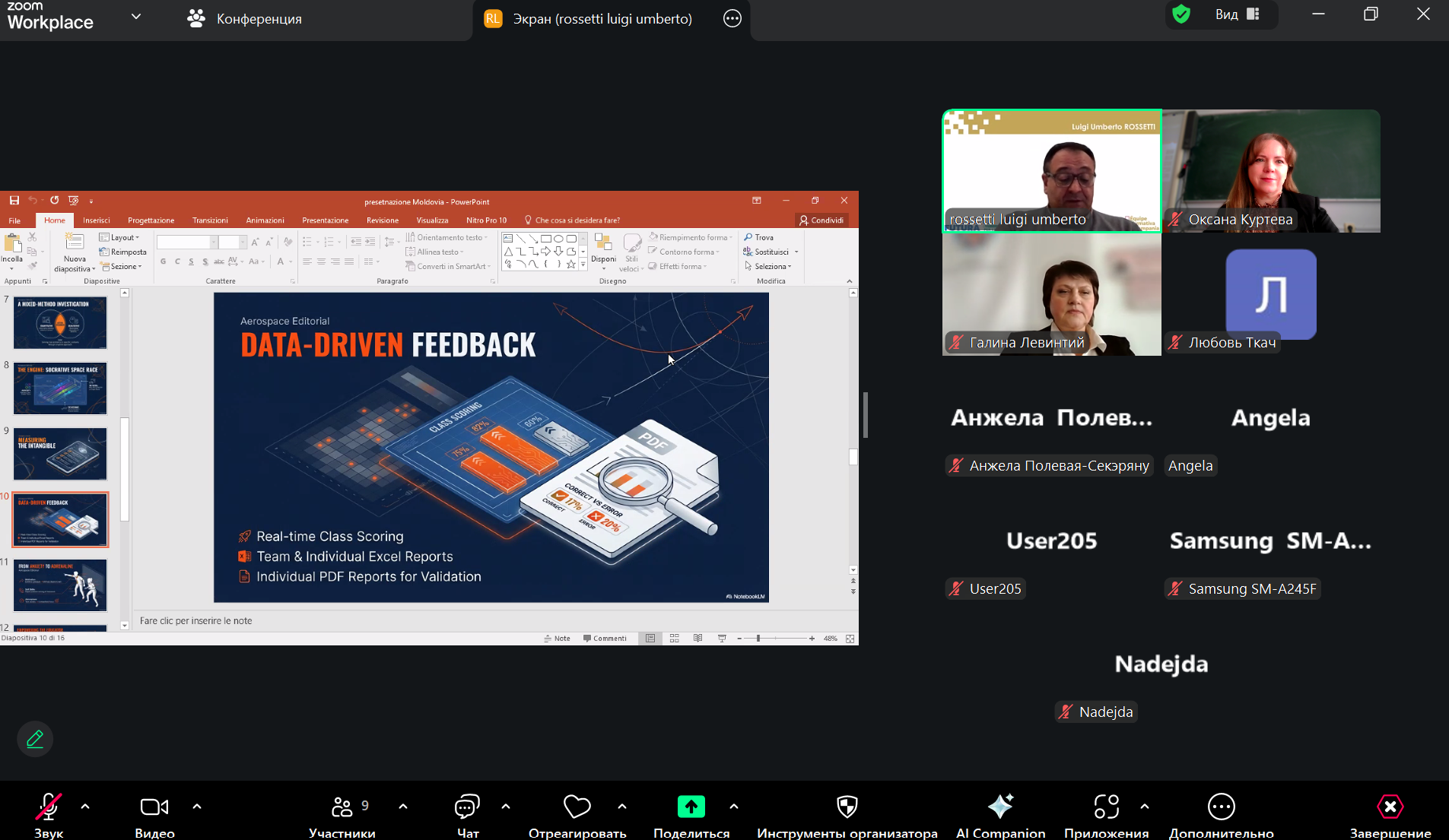
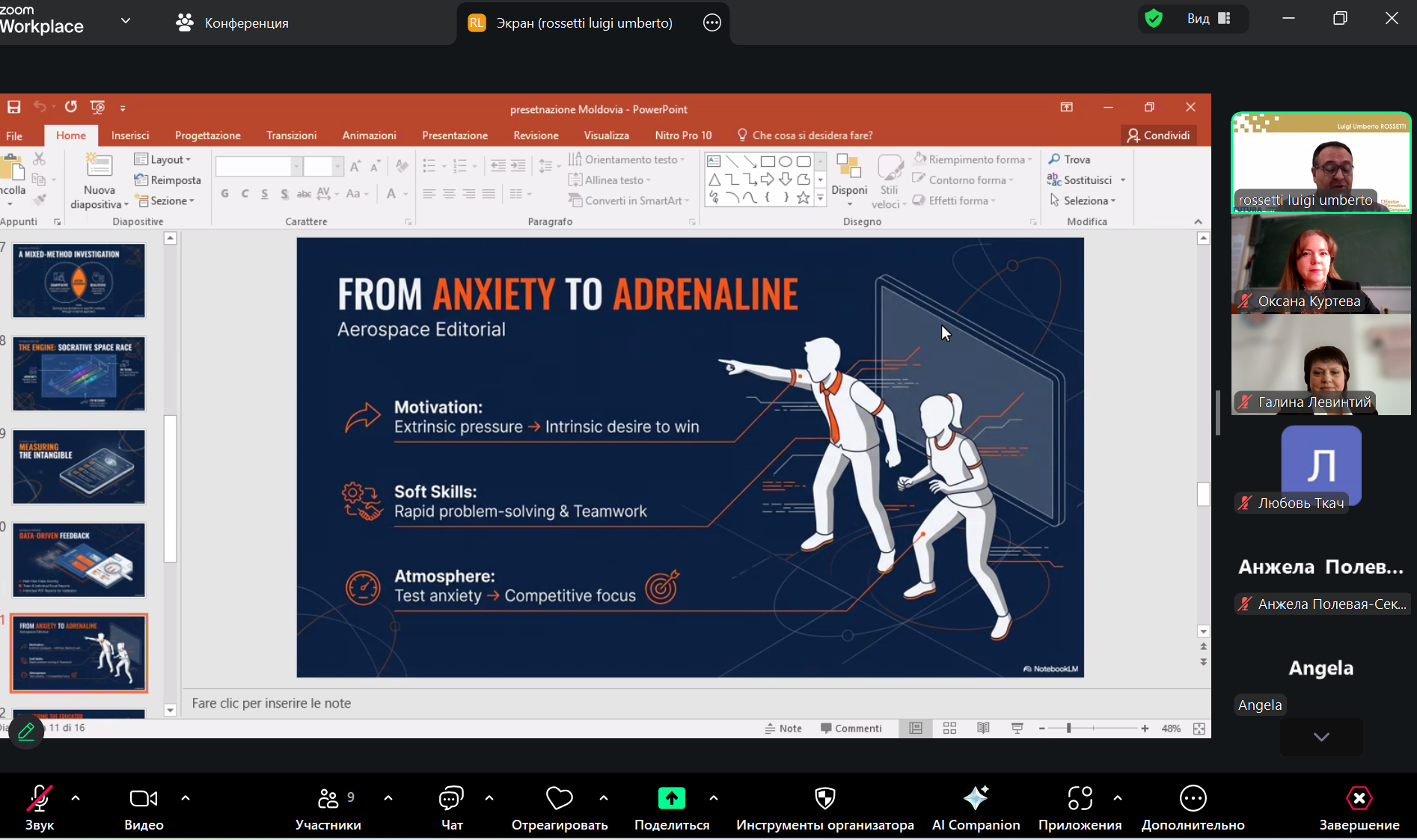
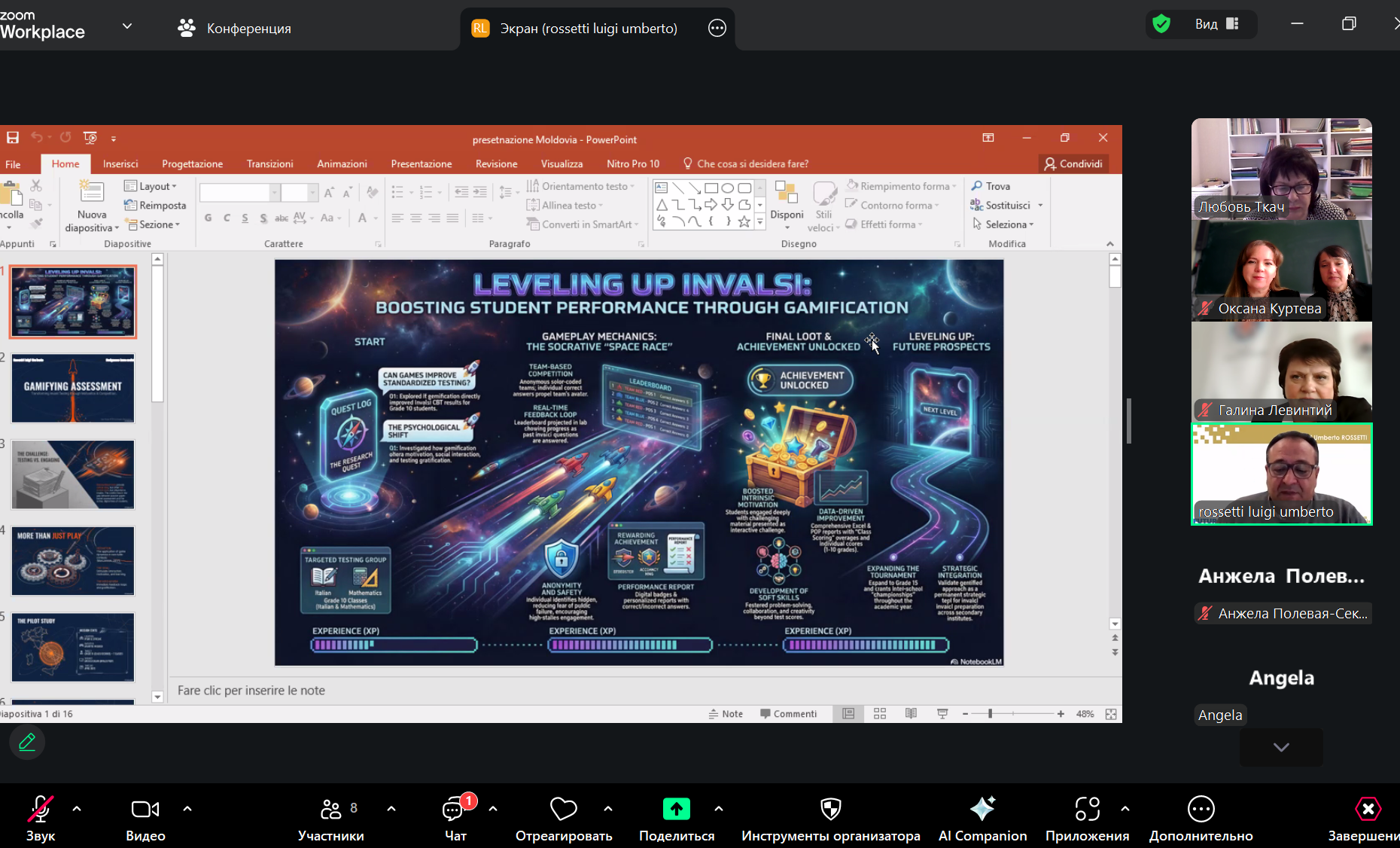
International Experience: Rossetti Luigi Umberto (Ph.D., Università degli Studi del Sannio, Italy) presented the study "Gamification as a strategic tool for improving INVALSI test performance," demonstrating in practice how game mechanics improve learning outcomes.
Psychology and Pedagogy: Irina Bianova, PhD, Lecturer, revealed the theoretical aspects of a key learning concept in the report "Theoretical aspects of the concept of 'cognitive interest' in pedagogy and psychology."
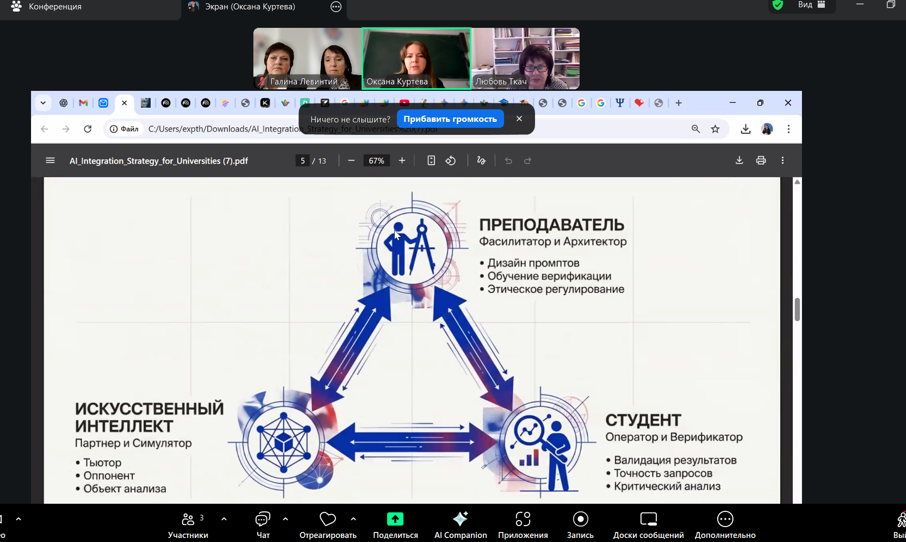
Digital Technologies and AI: Oxana Curteva, PhD, Associate Professor, raised the topical issue of using artificial intelligence, presenting the report "Application of neural network assistants in the university educational process: didactic approaches."
Inclusion and Development: Angela Polevaia-Secareanu, PhD, Associate Professor, highlighted the important topic of physical development in the report "Motor-movement intelligence as the basis of innovative didactics in inclusive physical education and adaptive sports."
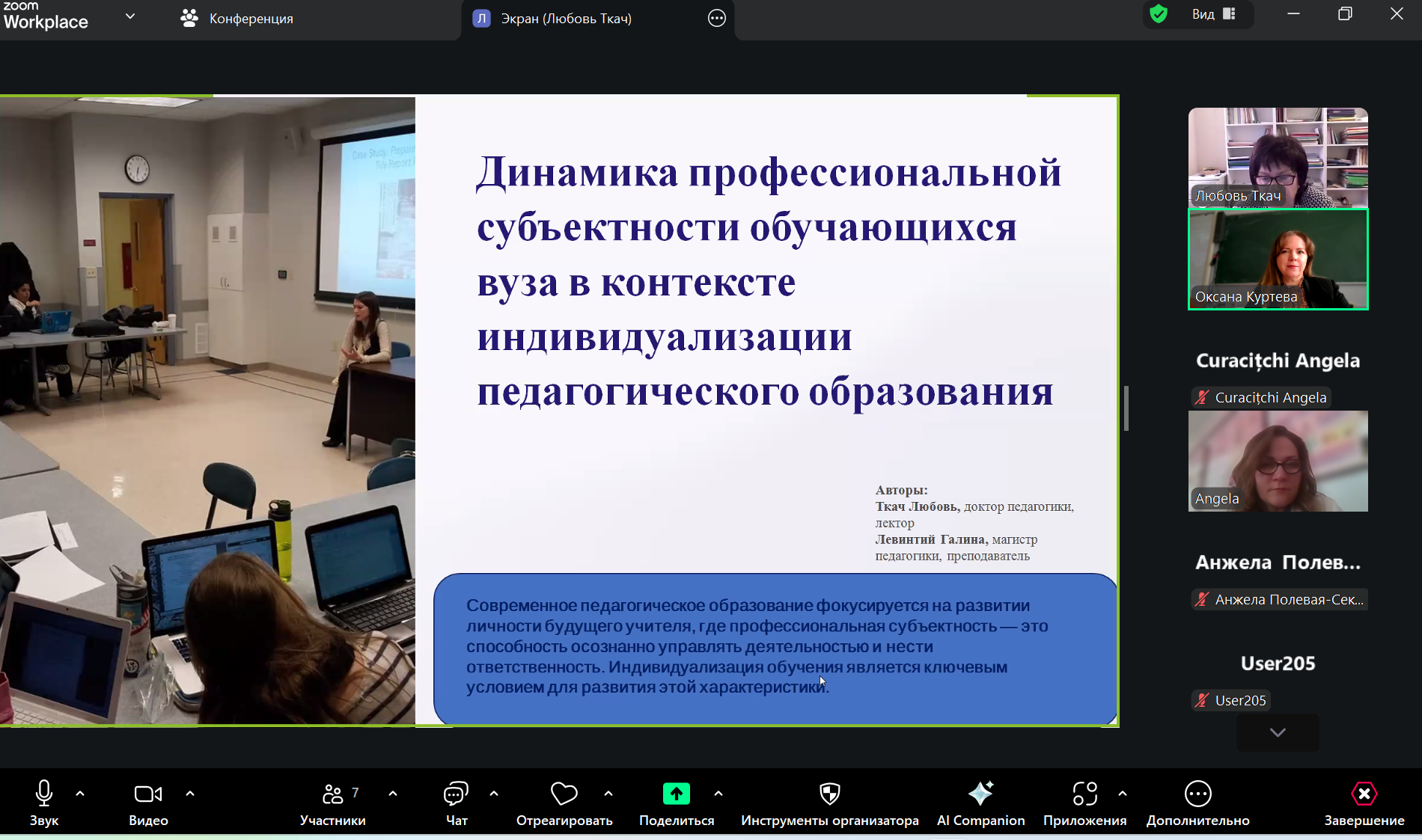
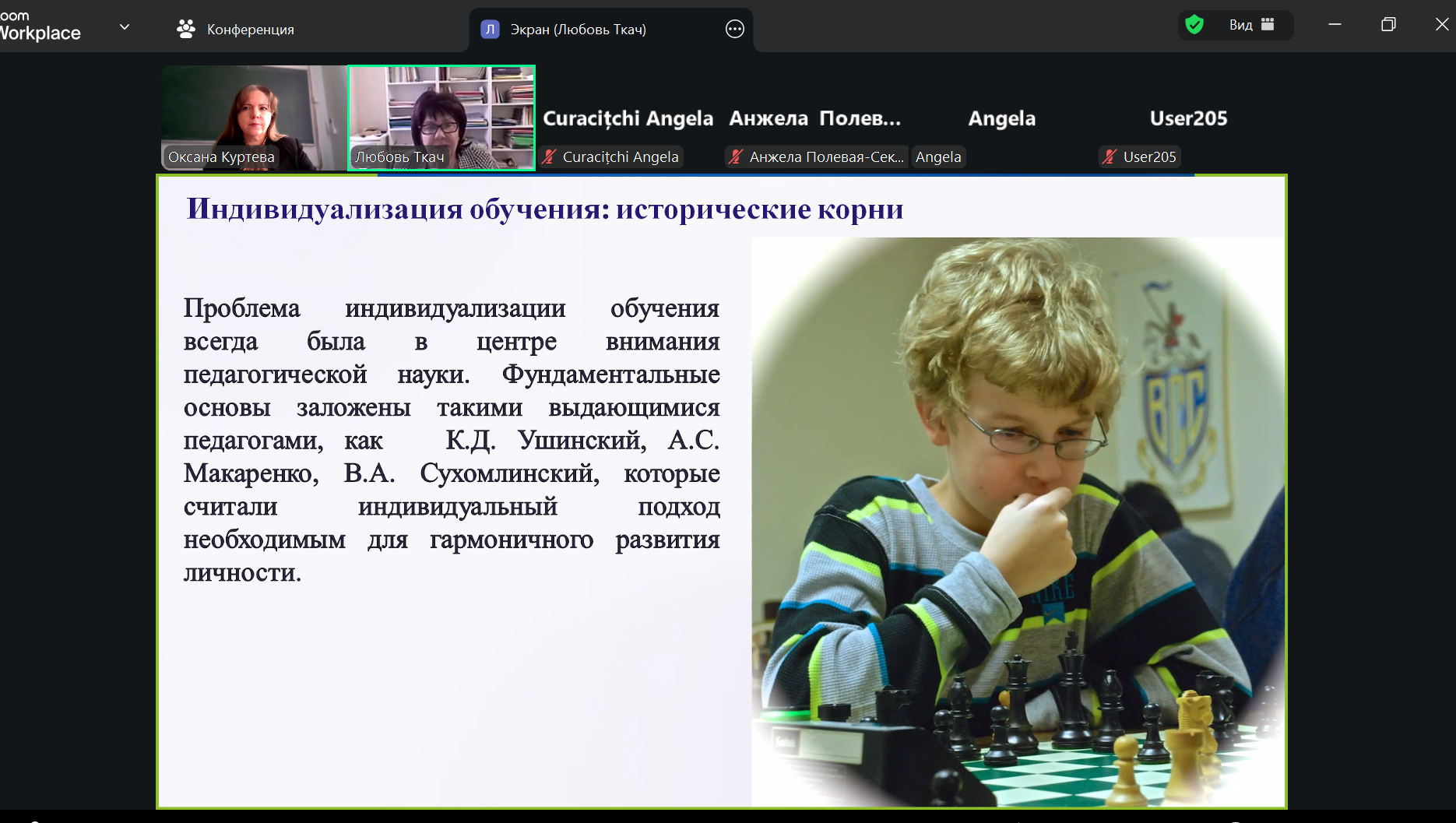
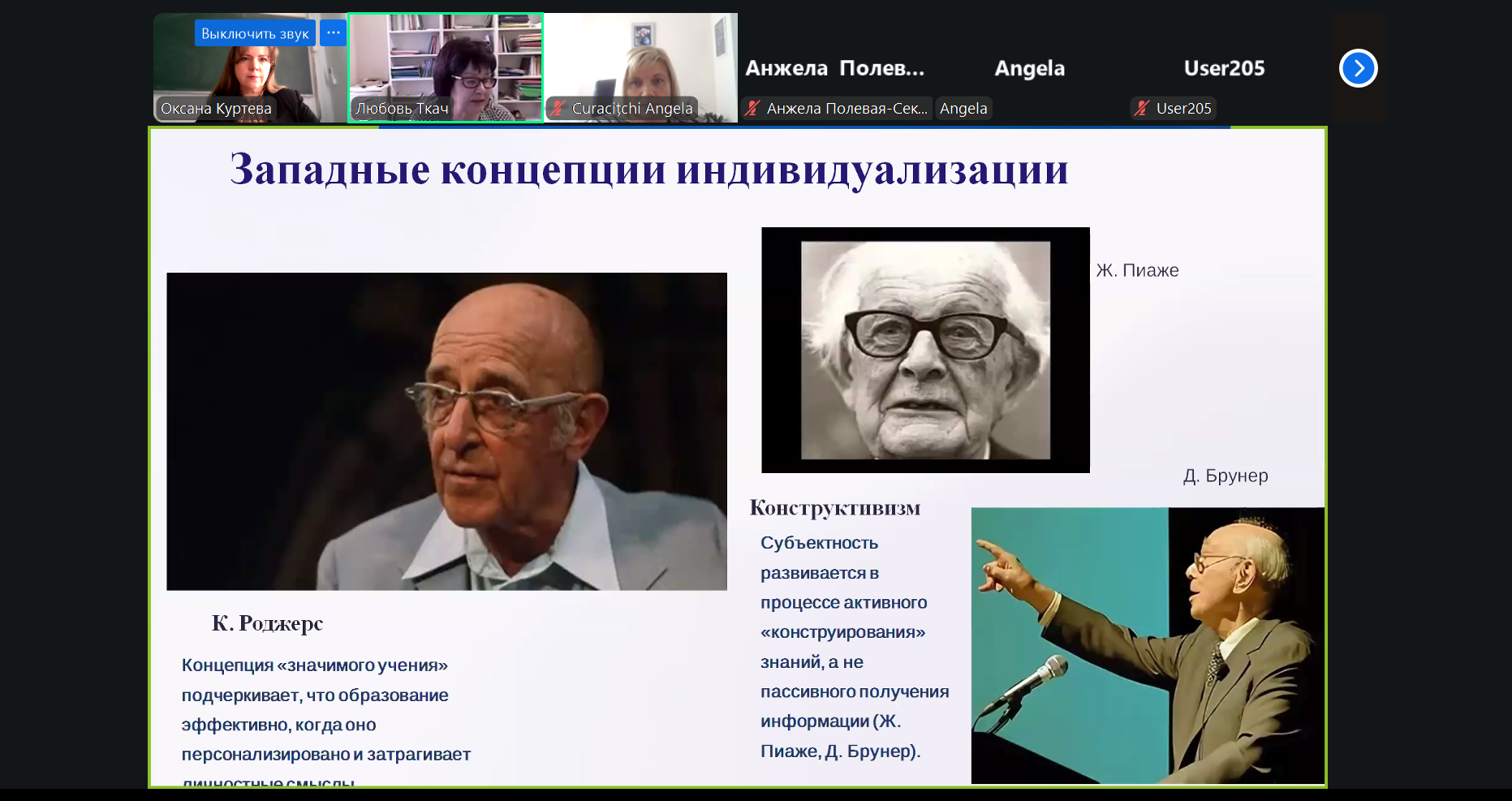
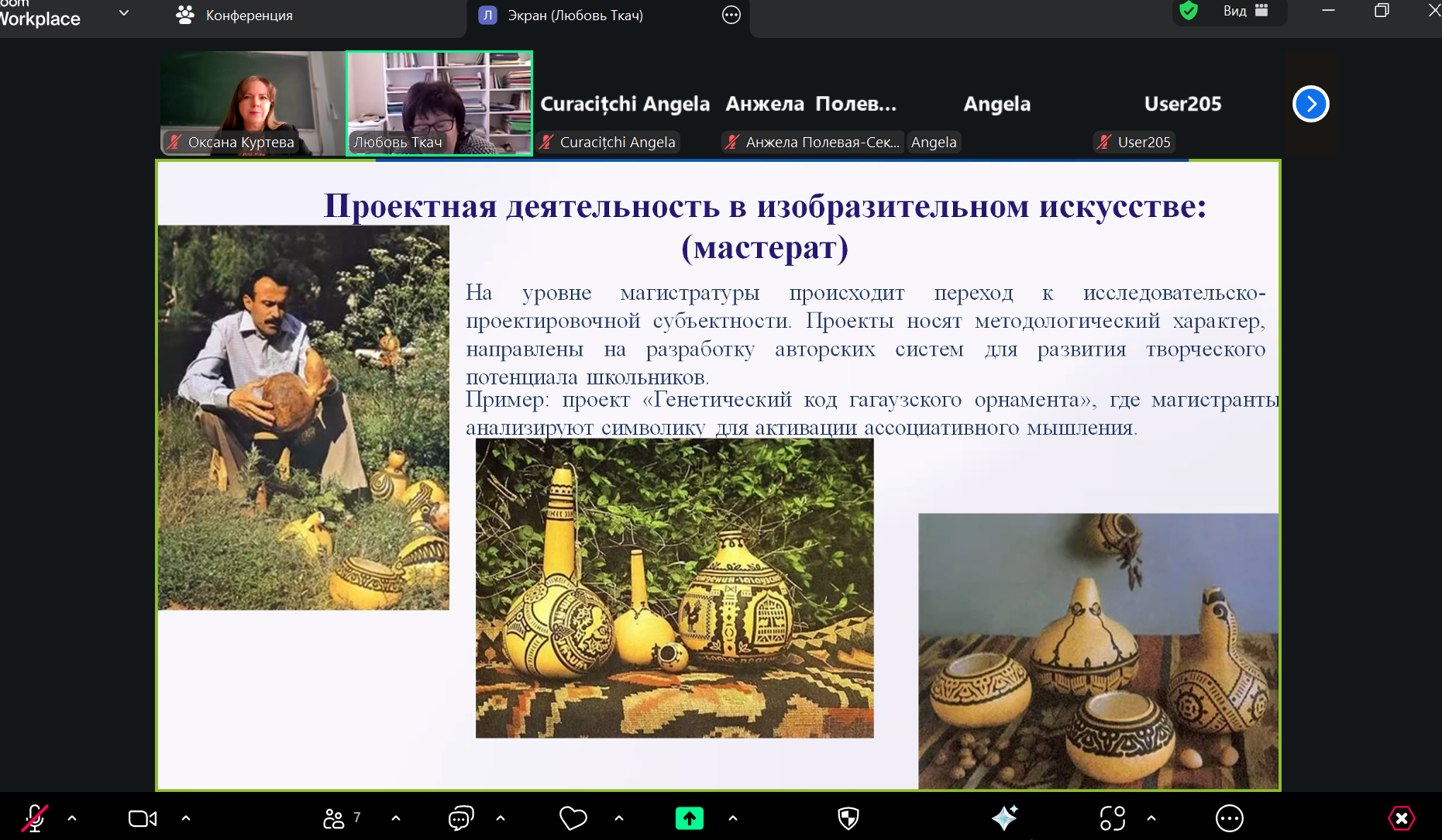
Professional Development: Liubov Tkach (Doctor of Pedagogy) and Galina Levintii (Master of Pedagogy) discussed "The dynamics of professional subjectivity of students in the context of individualization of pedagogical education."
New Paradigms: Liuba Botezatu, PhD, Associate Professor, delivered a conceptual report "„Țesut viu 10 x 10” — Didactica postmodernității. Schimbare de paradigmă" (Living Tissue 10x10 – Postmodern Didactics. Paradigm Shift).
We thank all the speakers for their deep research and lively discussion! Together we are shaping a new vision of quality education.
Resolution of Section 5.3 "Innovative Didactics: Methods, Strategies, and Digital Tools for Learning" within the framework of the International Scientific and Practical Conference "Science. Education. Culture," dedicated to the 35th anniversary of Comrat State University
Date: February 12, 2026
Location: Republic of Moldova, Comrat, Comrat State University (CSU)
Moderators:
- Curteva Oxsana, Doctor, Conference Speaker (CSU, Moldova)
- Irina Bianova, Doctor, Lecturer (CSU, Moldova)
Having listened to and discussed the reports presented by participants from the Republic of Moldova, Romania, Italy, Azerbaijan, and the Russian Federation, the members of the section note the high scientific level of the presented research and the relevance of the issues discussed in the context of global digitalization and the changing educational paradigms.
The section participants observe the following key trends:
- Transformation of the Educational Environment: The transition to postmodern didactics and the need for a change in teaching paradigms have become inevitable conditions for the development of modern universities and schools.
- Digitalization and Artificial Intelligence: The implementation of neural network assistants, VR/AR platforms, and media content opens new didactic horizons, requiring teachers to develop digital competence.
- Gamification and Interactivity: The use of gaming mechanics (including examples from the INVALSI tests) and role-playing games has proven effective in increasing motivation and improving learning outcomes in both schools and universities.
- Psychologization and Inclusion: The focus is shifting towards the development of emotional intelligence, "motor intelligence," and the creation of a safe environment for all categories of learners, including in inclusive education.
- Competency-Based Approach: The priority is not only the formation of subject-specific knowledge (anatomy, chemistry, literature), but also the development of transversal, research, and socio-emotional competencies.
Following the work of the section, the following resolutions are made:
- Implement Digital Innovations: Recommend that departments and educational institutions actively integrate AI tools and VR/AR technologies into the educational process, relying on the methodological scenarios presented.
- Develop International Cooperation: Approve the experience of international exchange of practices (in particular, the research from colleagues in Italy and Azerbaijan) and continue joint research in the fields of gamification and assessment strategies.
- Enhance Practice-Oriented Learning: Support the implementation of project-based learning and mentoring as effective methods for developing students' professional agency.
- Improve Inclusive Methodologies: Acknowledge the importance of motor intelligence in adaptive sports and recommend spreading this experience to other disciplines in inclusive education.
- Publish Results: Recommend the publication of reports that have generated the most significant scientific and practical interest in the conference proceedings.
Conclusion: The work of the section demonstrated that modern didactics is a dynamic system that combines the traditions of classical pedagogy with the latest technological solutions. The participants express their gratitude to the conference organizers for providing a platform for constructive dialogue.