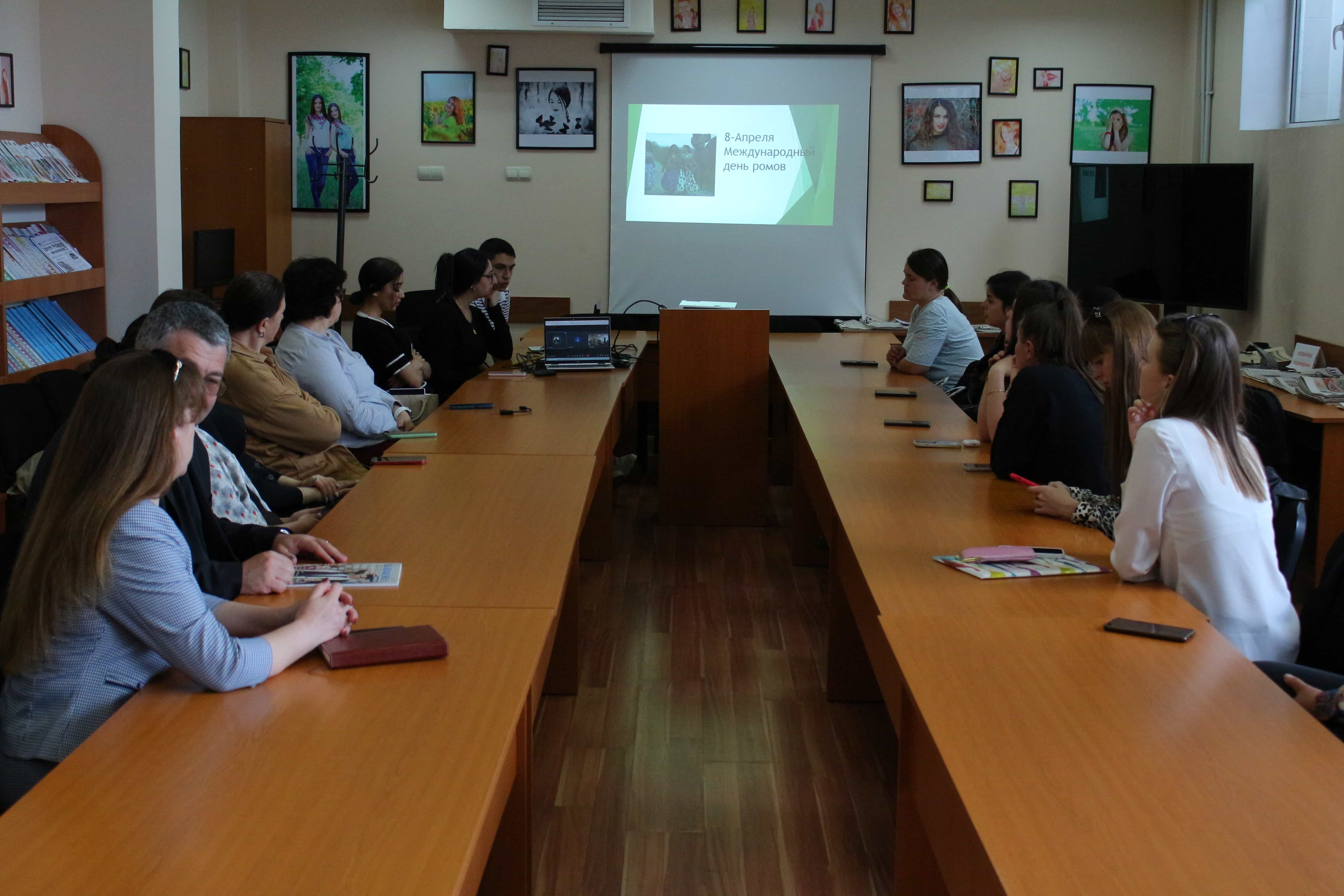








International Roma (Gypsy) Day is celebrated annually on 8 April by representatives of this nation all over the world. The holiday was established at the first World Gypsy Congress, held in London on 8 April 1971, which brought together representatives from 30 countries.
The Congress also established the International Romani Union (IRU) and adopted national symbols: a flag and anthem, allowing the world's Roma to recognise themselves as one free nation. The IRU currently unites Romani civil society organisations from 42 countries.
A week of Roma culture was held in the Republic of Moldova from 8 to 12 April to mark International Roma Day. The week included a number of exciting events aimed at promoting Roma culture and drawing public attention to the difficulties faced by the Roma community.
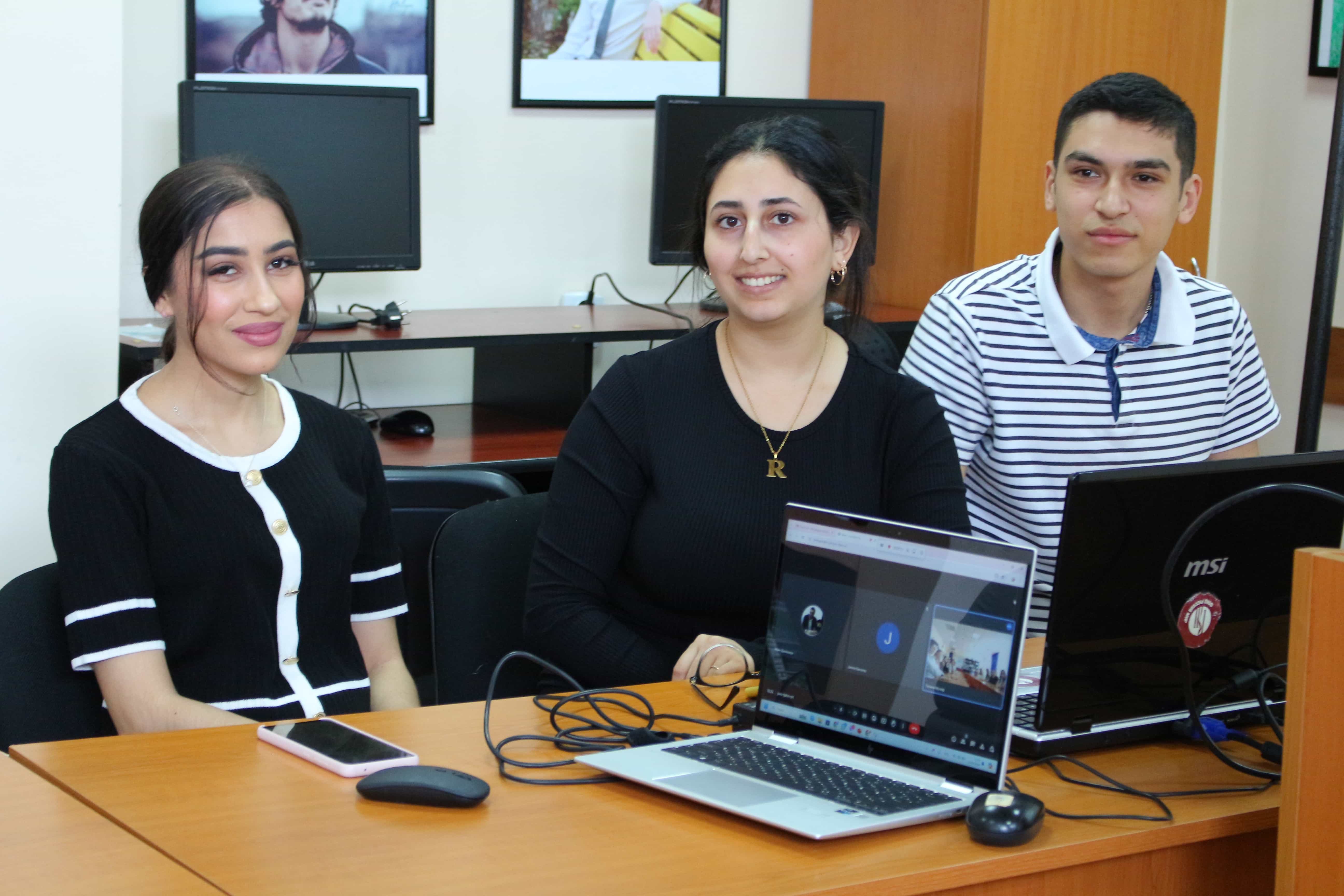
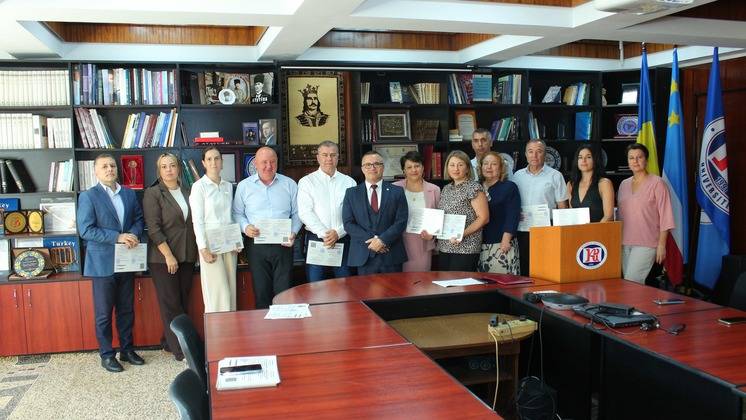
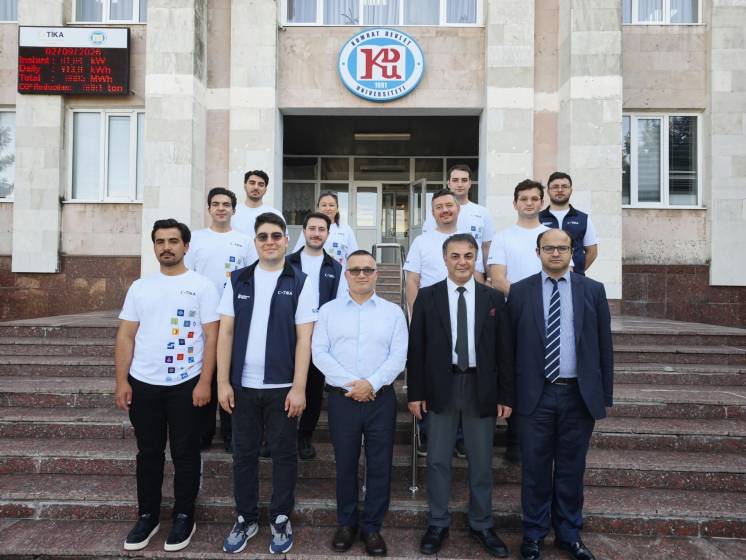
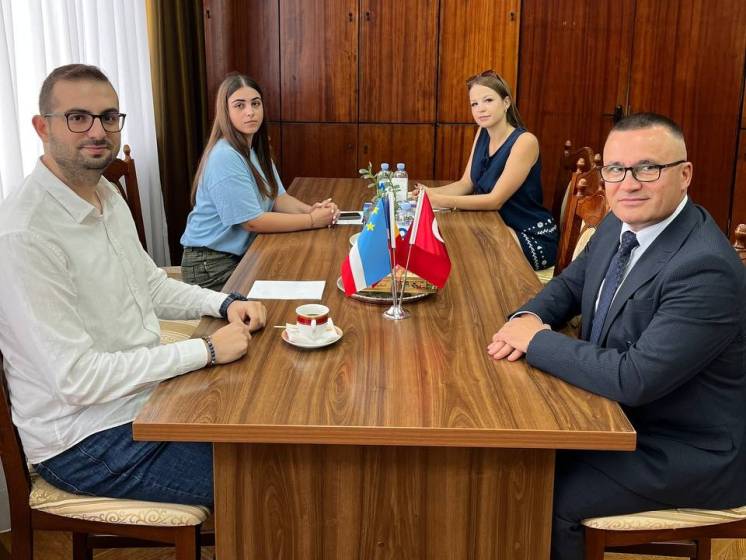
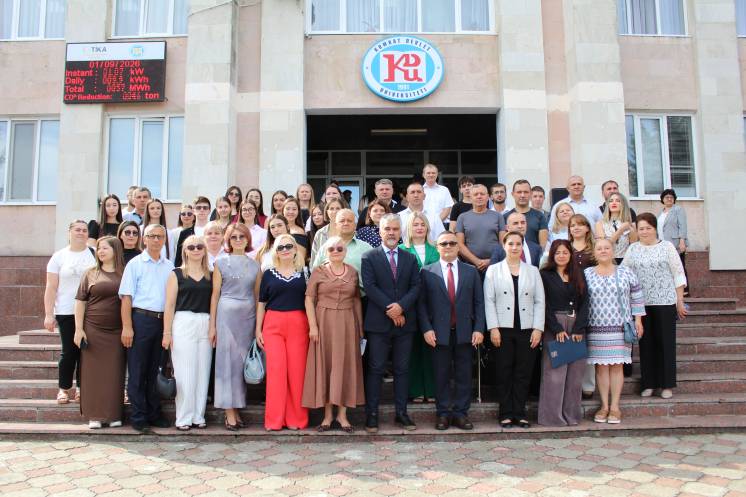
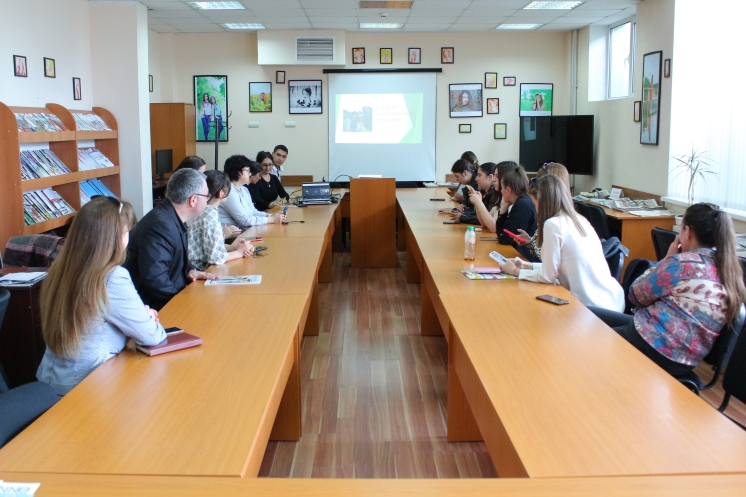
At KSU, the Faculty of National Culture organised and hosted an event dedicated to International Roma Day on 15 April 2024.
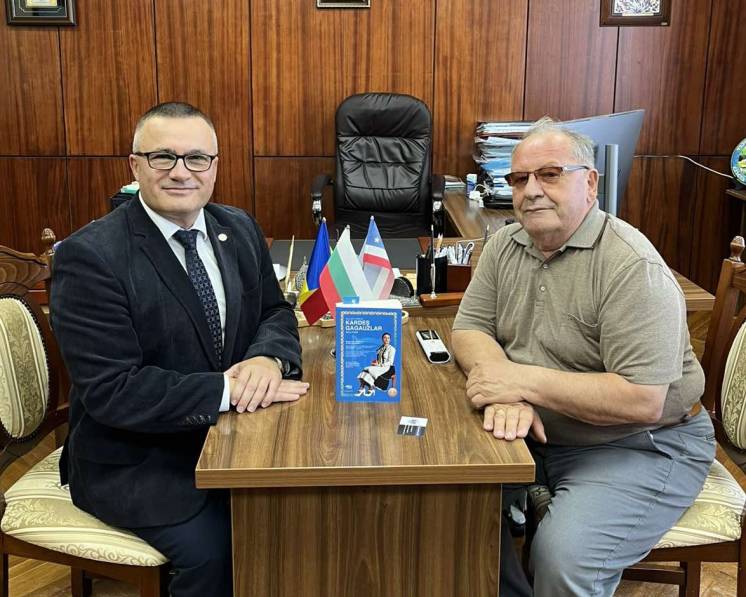
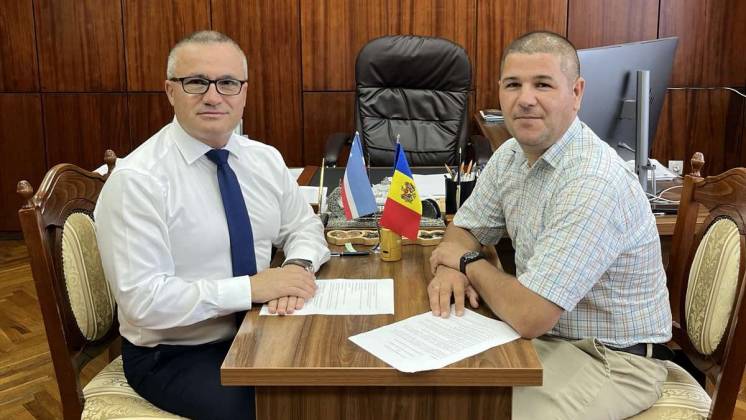
Ivan Ivanovich Duminica, doctor, habilitate of historical sciences, lecturer at the chair of Gagauz philology and history, head of the Service of Policies in the field of interethnic relations of the Ministry of Education and Research of RM, made an introductory speech. Then, a presentation on the culture and traditions of their people was made by Raisa Caldarar, gr. EF-21, Felicia Bludoy, gr. RE-19, Alexandru Bucur, gr. ETU-23.
The second part of the event included a screening of the feature film "The Tabor Goes to the Sky", a 1976 Soviet full-length widescreen musical-dramatic feature film directed by Emil Lotyanu. The film was shot at the Mosfilm studio based on the early short stories "Makar Chudra" (1892) and "Starukha Izergil" (1894) by Russian writer Maxim Gorky.
The plot of the film, which begins with an attempt by a group of gypsies to steal a herd of horses, is based on the love story of horse thief Loiko Zobar and gypsy sorceress Rada, described in the story "Makar Chudra" (1892) by Maxim Gorky.
The action takes place at the very beginning of the twentieth century, inside a gypsy tabor on the Tisza River in Transcarpathia, on the outskirts of the Austro-Hungarian Empire.
A legend about the love of two young and proud Gypsies, Lojko and Rada, who fall in love with each other but find that family life is a chain that restrains their independence. Lojko himself met Rada when she found him wounded and healed him. Then the horse thief and the beauty met once more when Lojko met the gypsy Bucha from Rada's tabor and came to the tabor himself, led by the old Nur.
At the end of the film, despite the gloomy prediction of the old gypsy herbalist, Lojko, accompanied by his old friend Aralambi, comes to Rada's tabor and asks Makar Chudra, a blacksmith acquaintance, to act as a wedding intercessor. Then he, fulfilling the condition of their wedding set earlier by the girl - to kneel (which is a humiliation for Gypsies) before her in front of the whole tabor, kills Rada and kneels before her body in front of everyone. Rada's father Danilo, an old soldier who was present at the murder of his daughter, kills Lojko with a knife.
After watching the film, there was a discussion about the story.