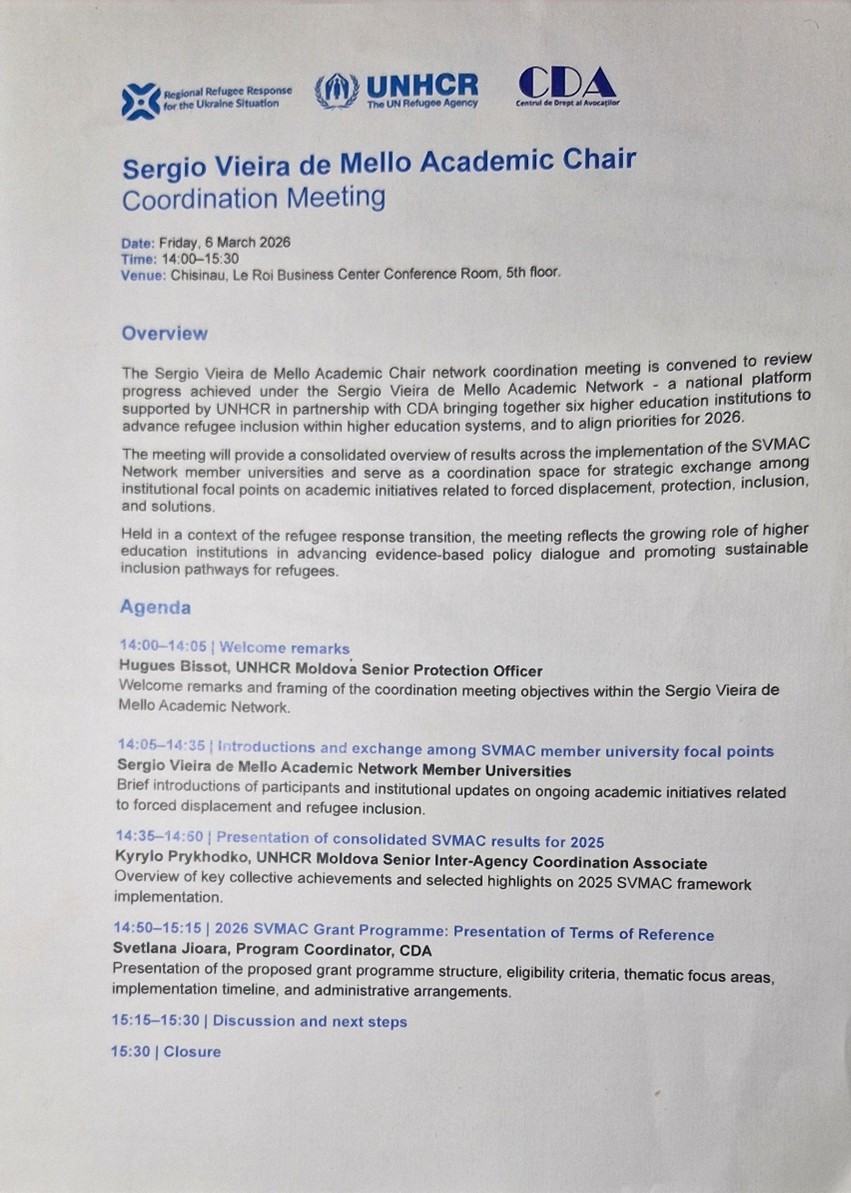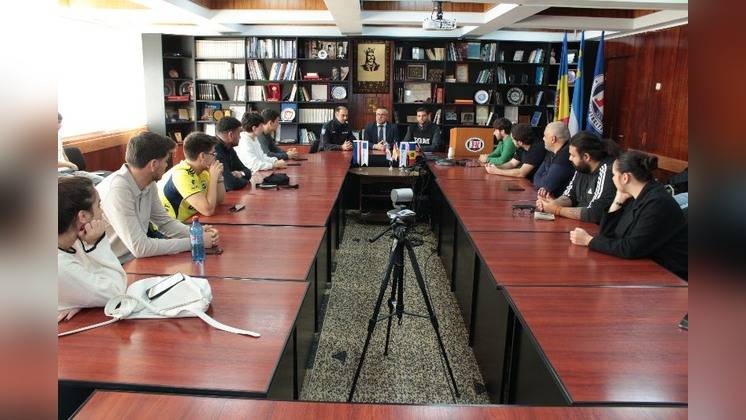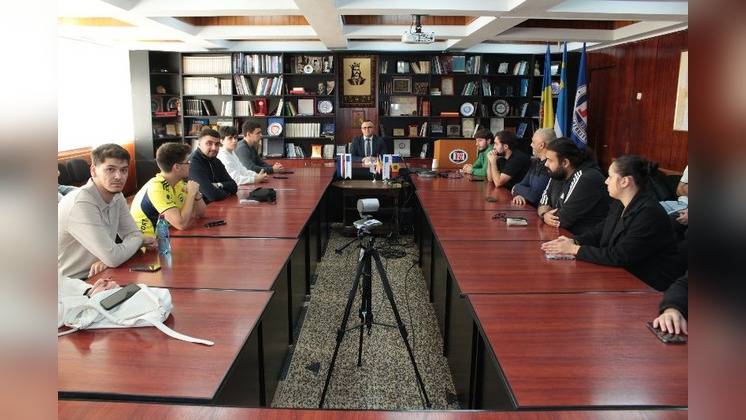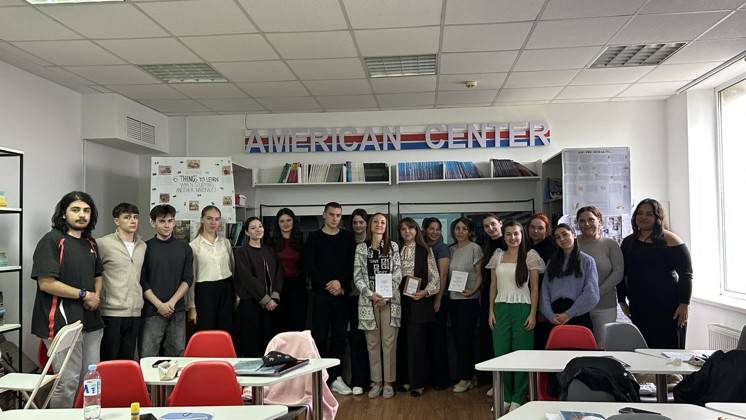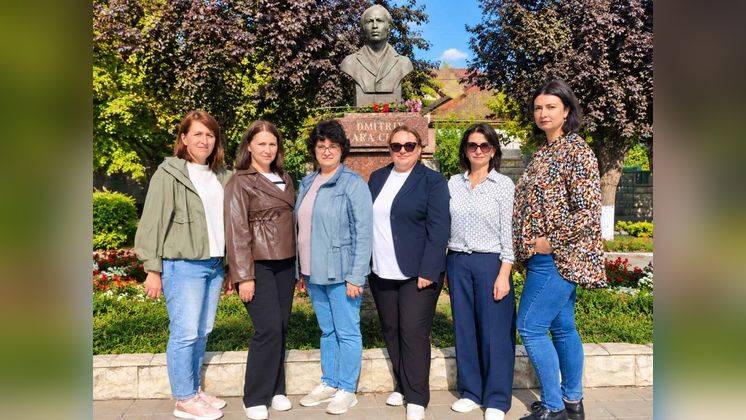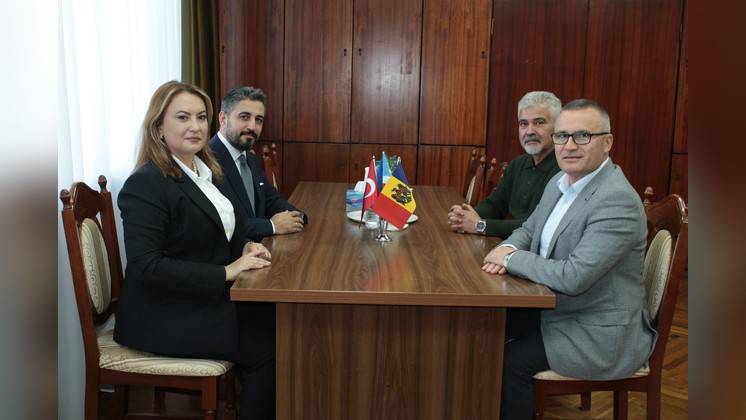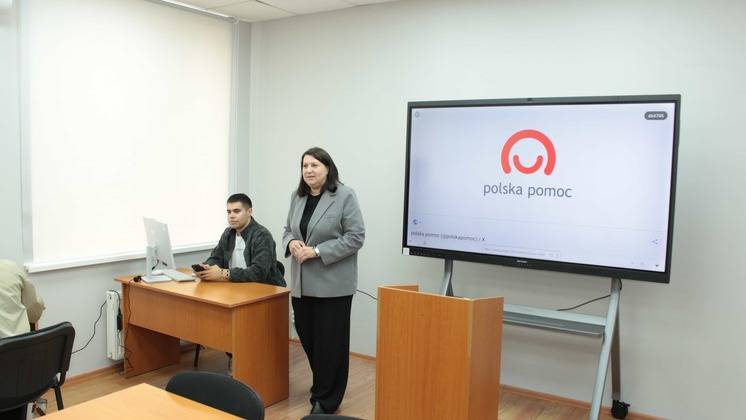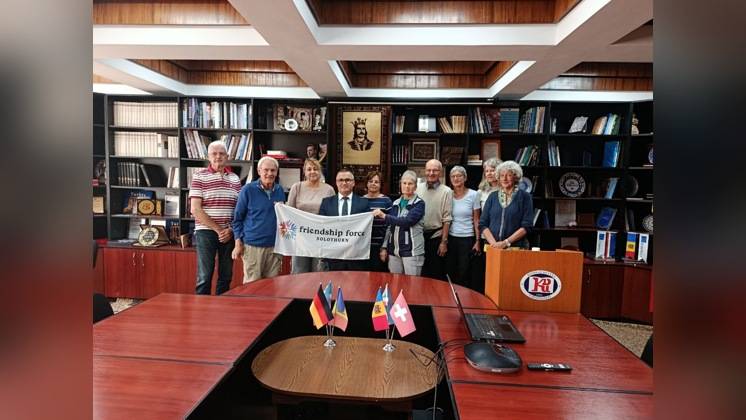




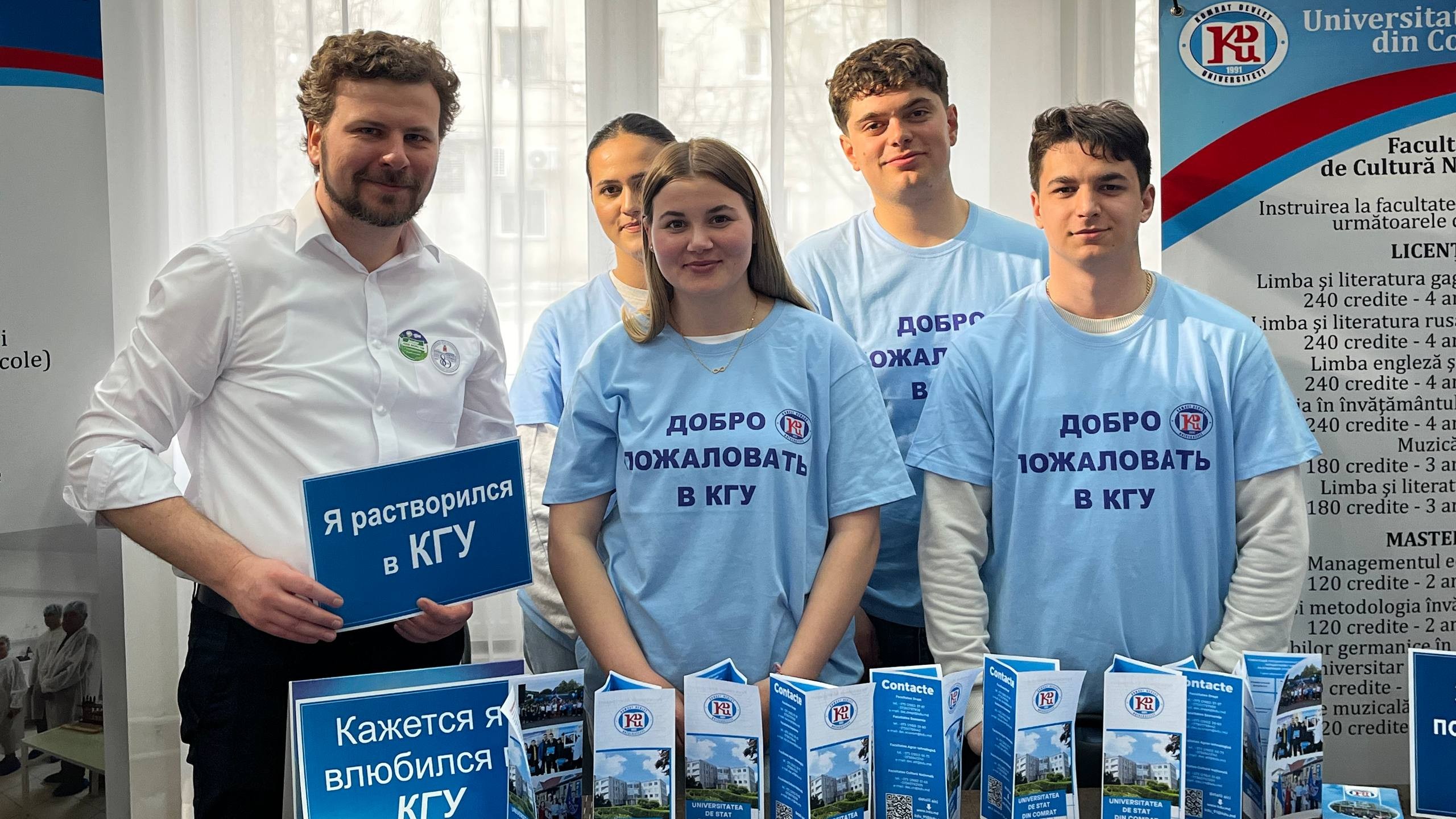


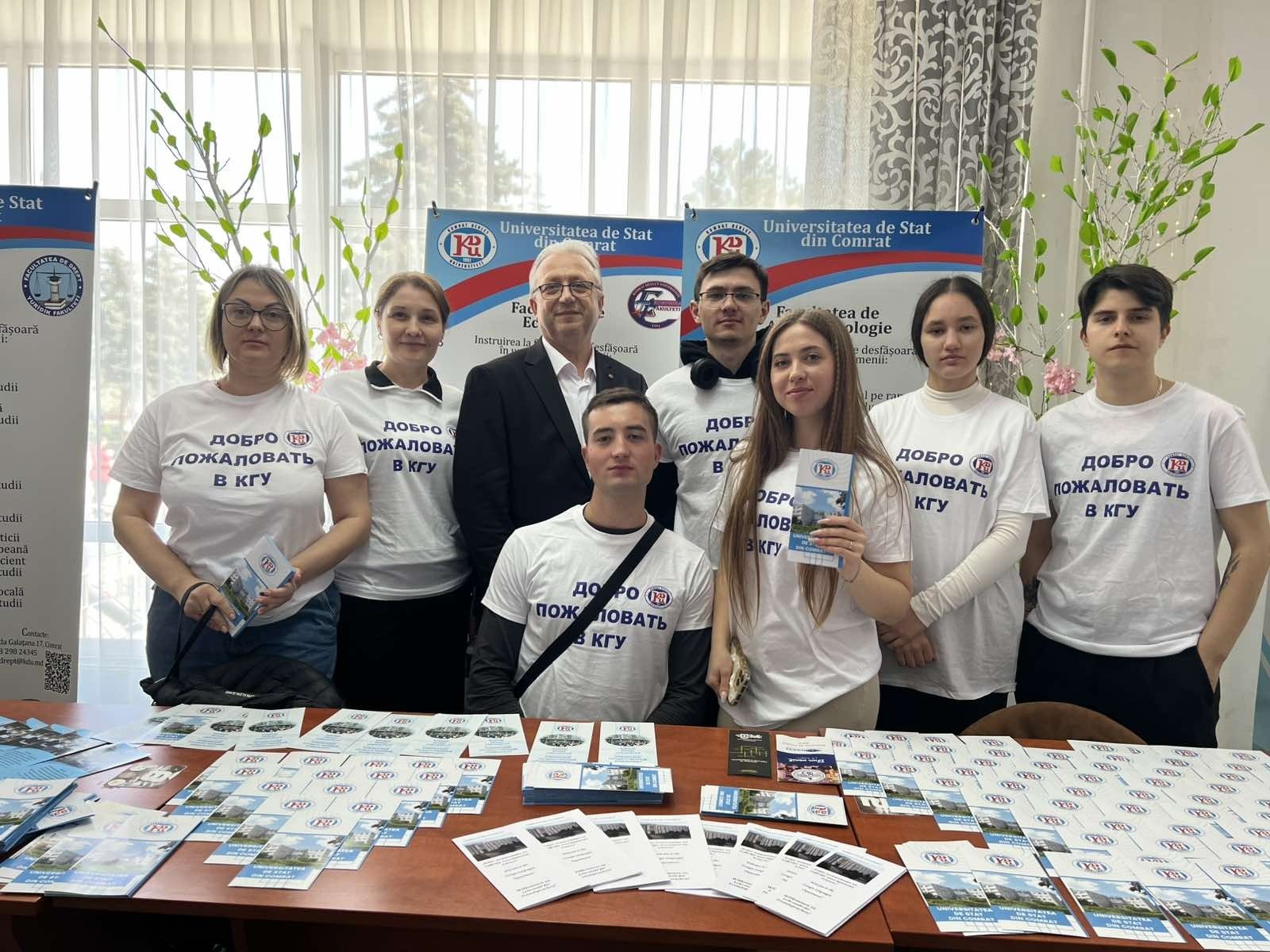

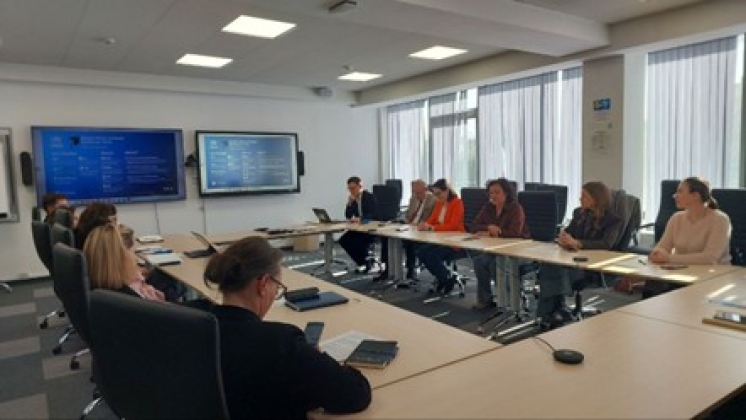
On March 6, 2026, a coordination meeting was held in Chișinău within the framework of the Sergio Vieira de Mello Academic Chair Network (SVMAC) and CDA initiative. The event brought together representatives of universities implementing projects within the network, as well as partner organizations. During the meeting, a comprehensive overview of the implementation results of the SVMAC initiative at the national level was presented. Representatives of participating universities shared the outcomes of projects completed in October 2025, including educational, research, and awareness-raising initiatives focused on issues of forced displacement, protection of refugee rights, and their social integration. Dr. habil., Associate Professor of the Department of Private Law at Comrat State University, Natalia Șciuchina, presented the positive experience of implementing a project supported by the Sergio Vieira de Mello Academic Chair (SVMAC) and administered by the Legal Resources Centre of Lawyers (CDA) in May–November 2025. The project was carried out in partnership between Comrat State University, Cahul State University, and public centers of Comrat and Cahul. The project was led by Dr. habil., Prof. Alla Levitscaia; expert – Dr. habil., Prof. Natalia Șciuchina; as well as colleagues from the partner university – Dr. in Economics, Associate Professor L. Roșca-Sadurska; Kaleji-Pogirk V., Kebak A., and Kirila A., representatives of public centers. Within the project, an analytical report was prepared focusing on students’ attitudes toward refugees and stateless persons, their level of awareness of forced displacement issues, intercultural interaction experience, and identifying factors and barriers affecting social and educational integration processes. The study covered students from Comrat State University and Cahul State University and included both local students (187 people) and students with refugee status or under temporary protection (23 people). This approach made it possible to analyze both the perceptions of local students and the direct experiences, needs, and challenges faced by international students in the process of studying and integration into the academic environment. The report presented within the project provides a generalized analysis of the collected data and helps identify existing barriers and possible directions for the development of educational and integration initiatives in the university environment. Special attention was given to the role of higher education institutions in promoting inclusive access to higher education for refugees, developing academic research in the field of forced displacement, and strengthening cooperation between universities, international organizations, and other stakeholders. The meeting also served as a platform for strategic exchange of views among institutional coordinators regarding the further development of academic initiatives related to protection, inclusion, and sustainable solutions for refugees. Participants shared their vision for the continuation of the network’s activities in 2026 and discussed possible directions for further research on refugee and forced displacement issues in the Republic of Moldova. During the meeting, CDA Program Coordinator Svetlana Jioara also delivered a presentation on the planned grant support program within the Sergio Vieira de Mello Academic Chair Network. She informed participants about the structure of the grant program, participation and selection criteria, and the main thematic areas to be supported.