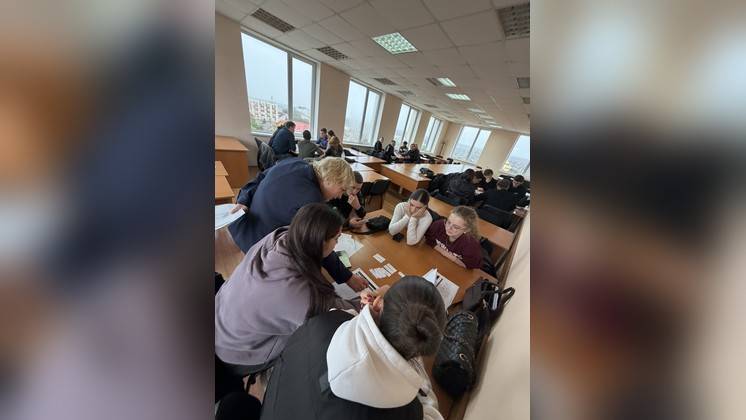






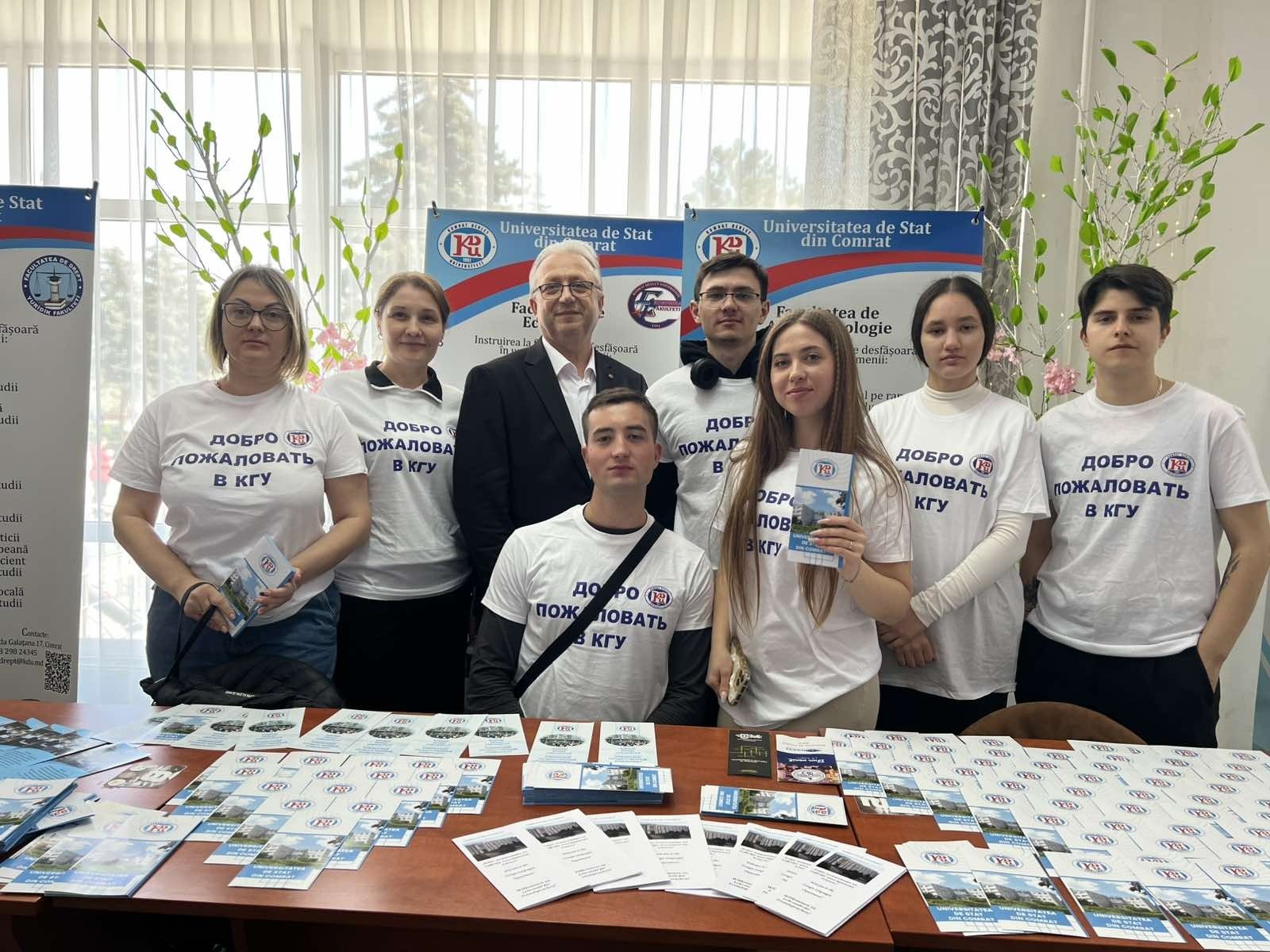


During the GRT program “Public Interest,” current issues related to the quality of modern education, its alignment with labor market demands, and the role of the National Qualifications Framework in training competitive specialists were discussed. This discussion was prompted by a seminar held at Comrat State University, which examined mechanisms for improving educational programs, enhancing the practical orientation of instruction, and ensuring closer alignment between graduate training outcomes and employers’ expectations.
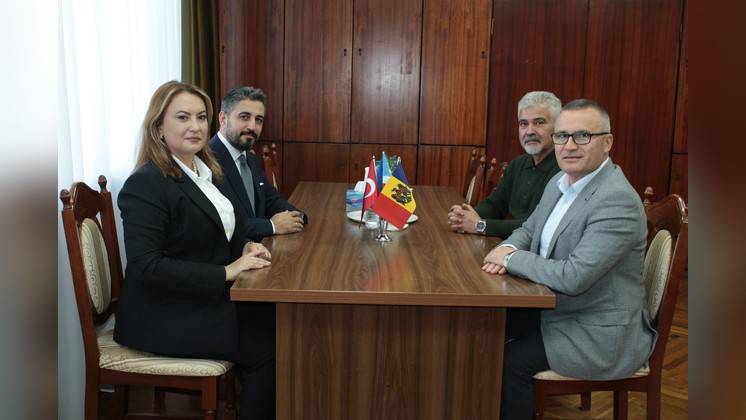
The program participants were: Oxana Curteva, Doctor, Associate Professor, Dean of the Faculty of National Culture at Comrat State University; Aliona Glavcheva, Deputy Director of Mihail Ciachir College in Comrat; Piotr Uzun, Deputy Director for Educational and Production Work at the Vocational School of Comrat; and Victoria Cioban, a student of Comrat State University. The program was hosted by Anna Chabanova.
During the program, the participants emphasized that implementing the National Qualifications Framework allows for a clearer definition of graduates’ final competencies, ensures the comparability of Moldovan qualifications with European standards, and makes educational programs more transparent for students, teachers, and employers. It was noted that these new approaches help educational institutions structure curriculum content more precisely, strengthen the practical component of training, and develop in learners not only professional knowledge, but also mobility, adaptability, critical thinking, and the ability to independently plan their professional paths.
Special attention was given to the interaction between educational institutions and employers. The program highlighted that continuous collaboration with potential employers, the organization of internships, dual education programs, round tables, and meetings with representatives of the professional community all contribute to bringing graduate training closer to real working conditions. Practical training is viewed as a key mechanism for students’ professional self-determination, motivation enhancement, and verification of the correctness of their chosen specialty.
A separate topic of discussion was the professional realization of graduates. Participants noted that a significant number of graduates pursue careers in their fields, continue their studies, or combine work with further education. At the same time, Moldovan diplomas are recognized abroad, and the competencies developed at educational institutions enable graduates to remain in demand both within the country and internationally. It was also emphasized that the region and the country provide young specialists with real opportunities for professional growth and self-realization.
In conclusion, it was noted that the development of the modern education system is impossible without continuous updating of educational content, strengthening practical training, expanding partnerships with employers, and fostering a readiness for lifelong learning in students.
This approach enables the training of specialists capable of successfully responding to contemporary challenges and contributing to societal development. Publication: Oxana Curteva, Doctor, Associate Professor, Dean of the Faculty of National Culture