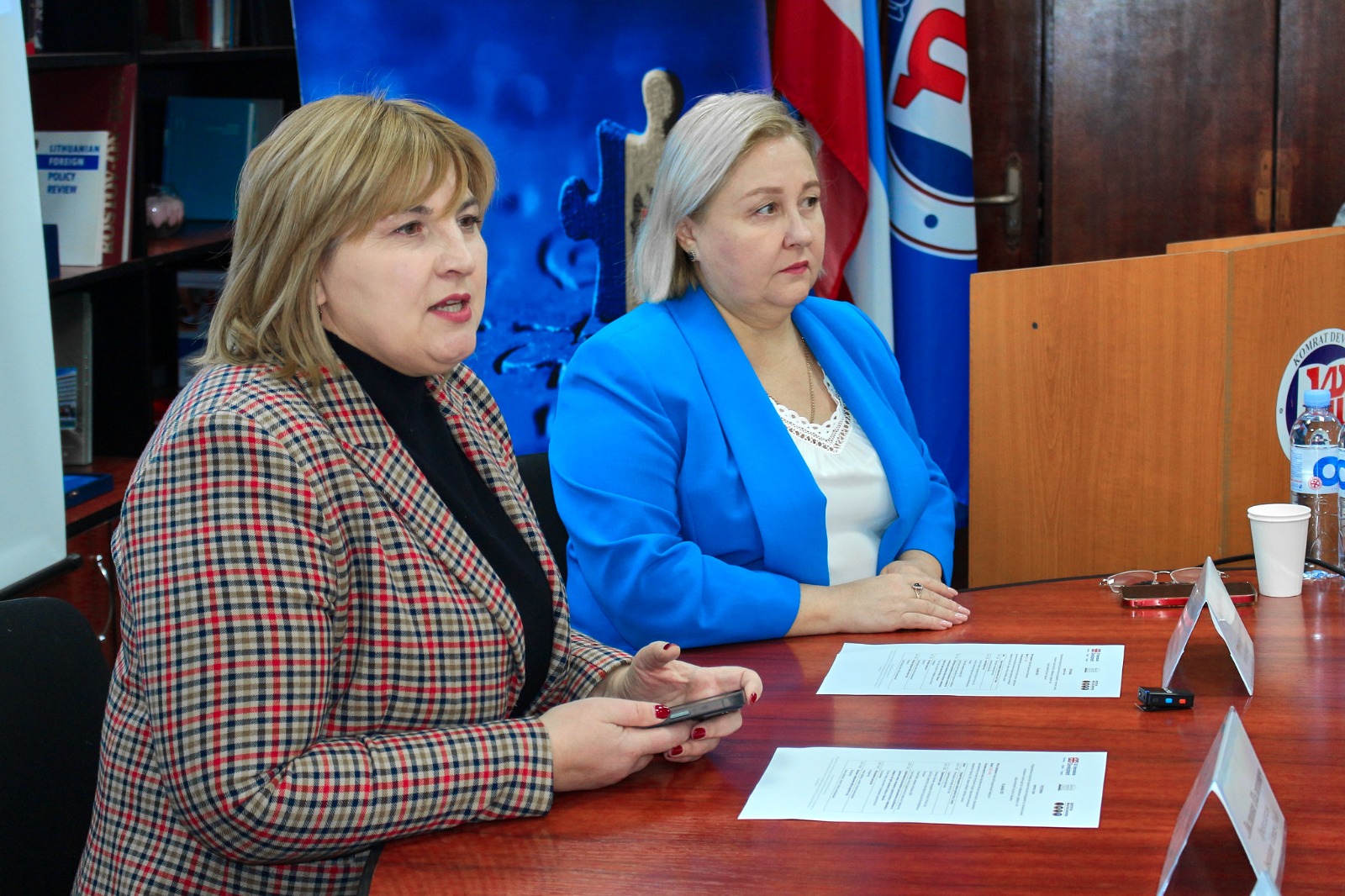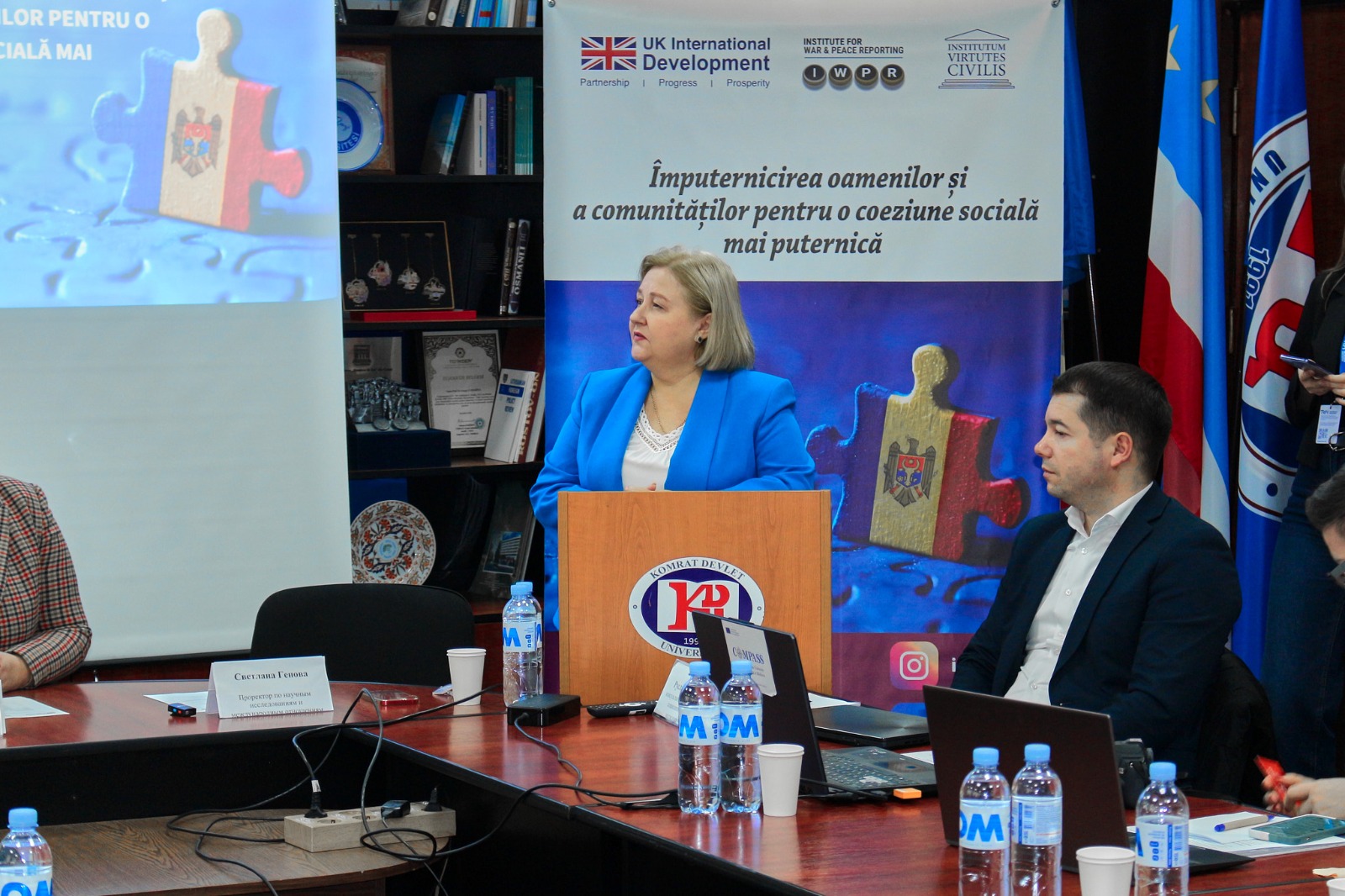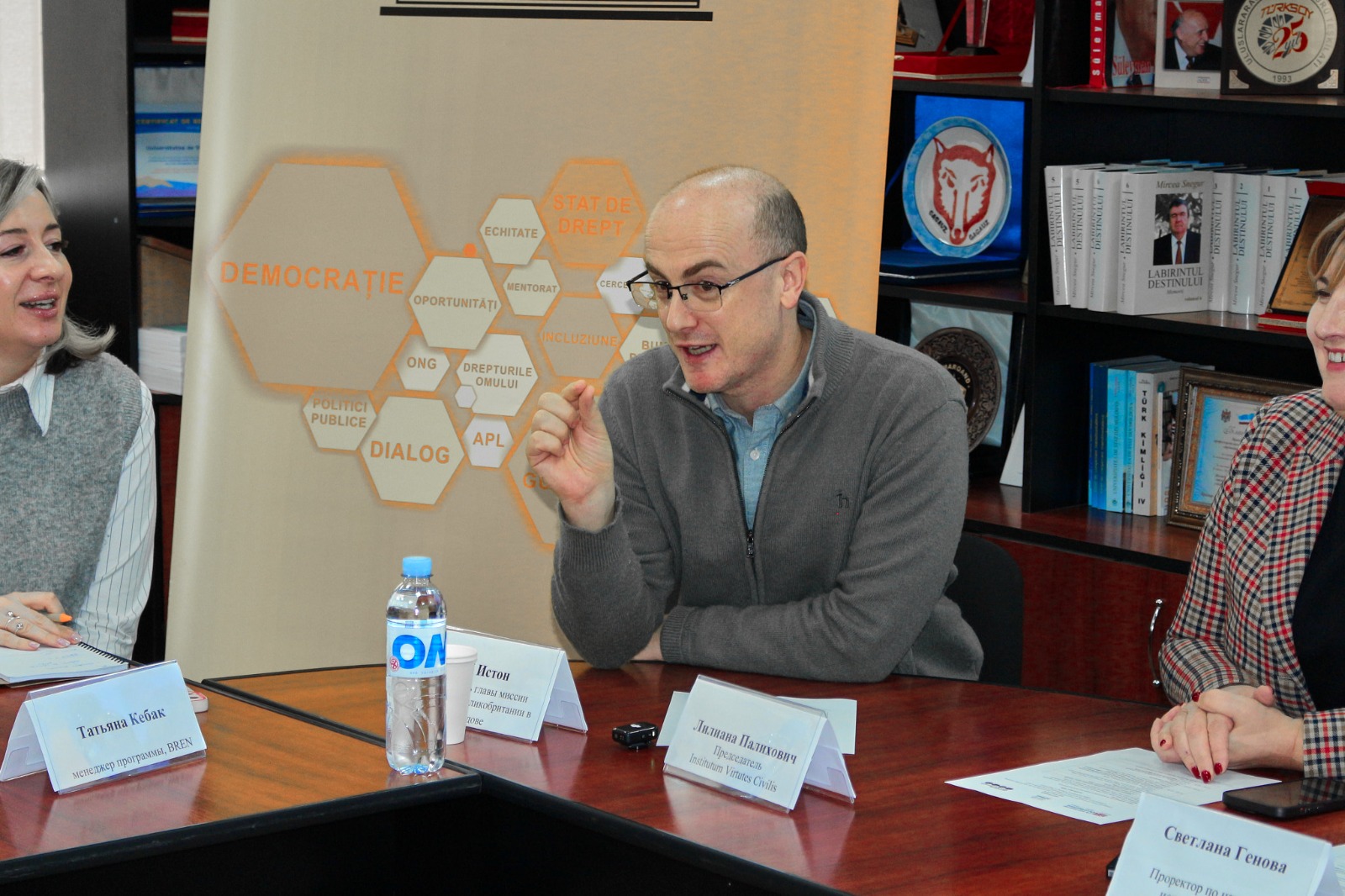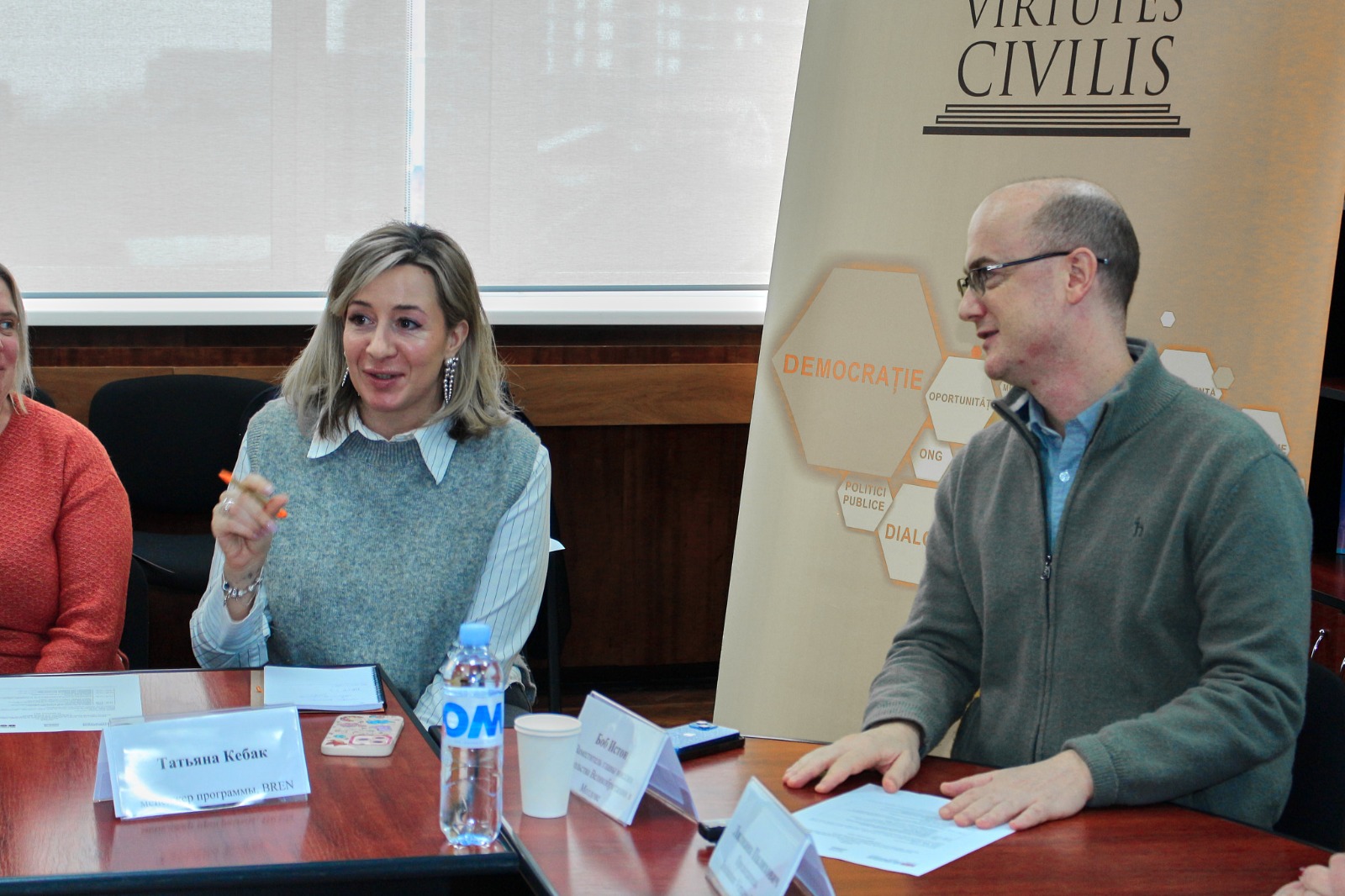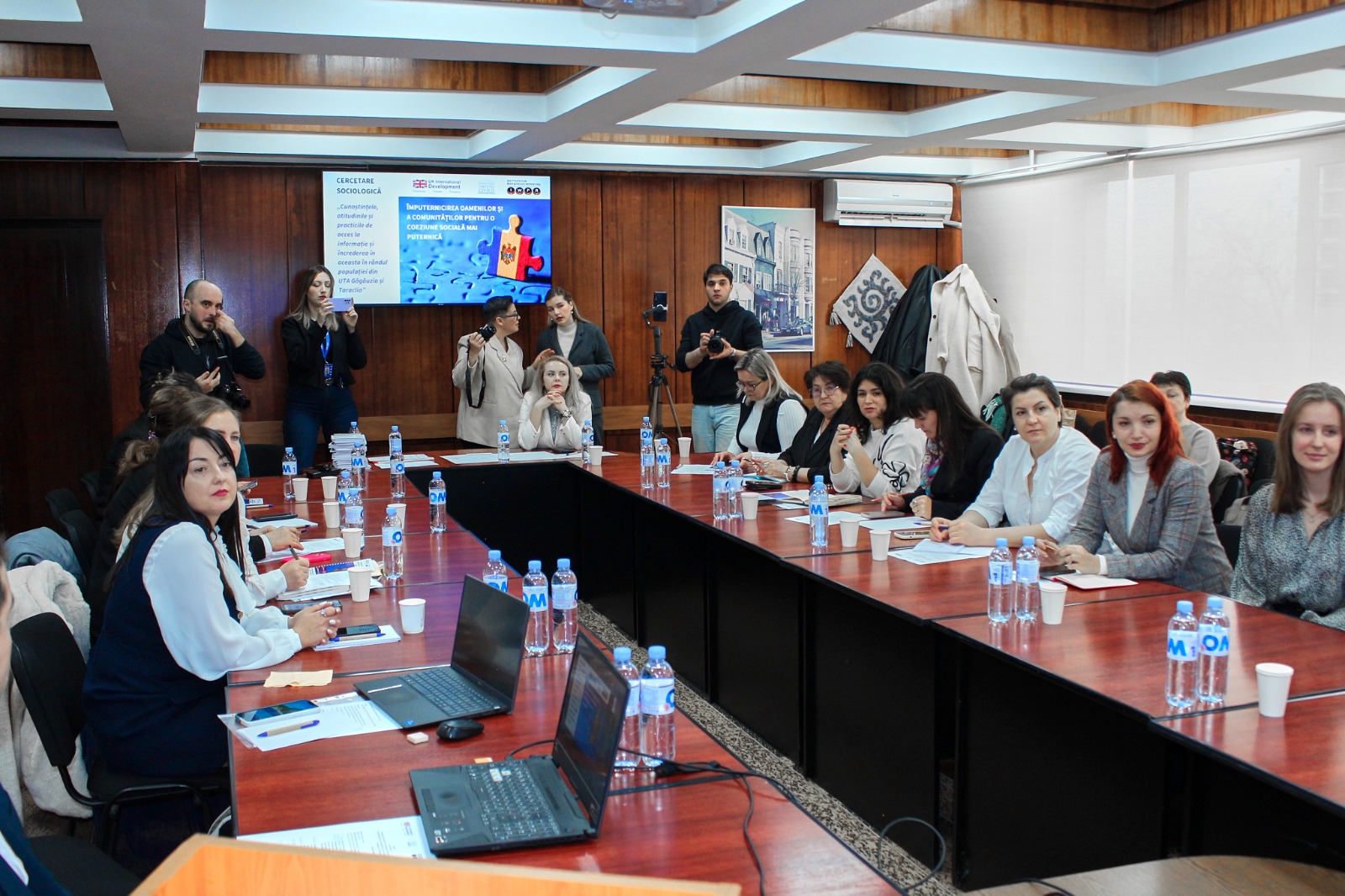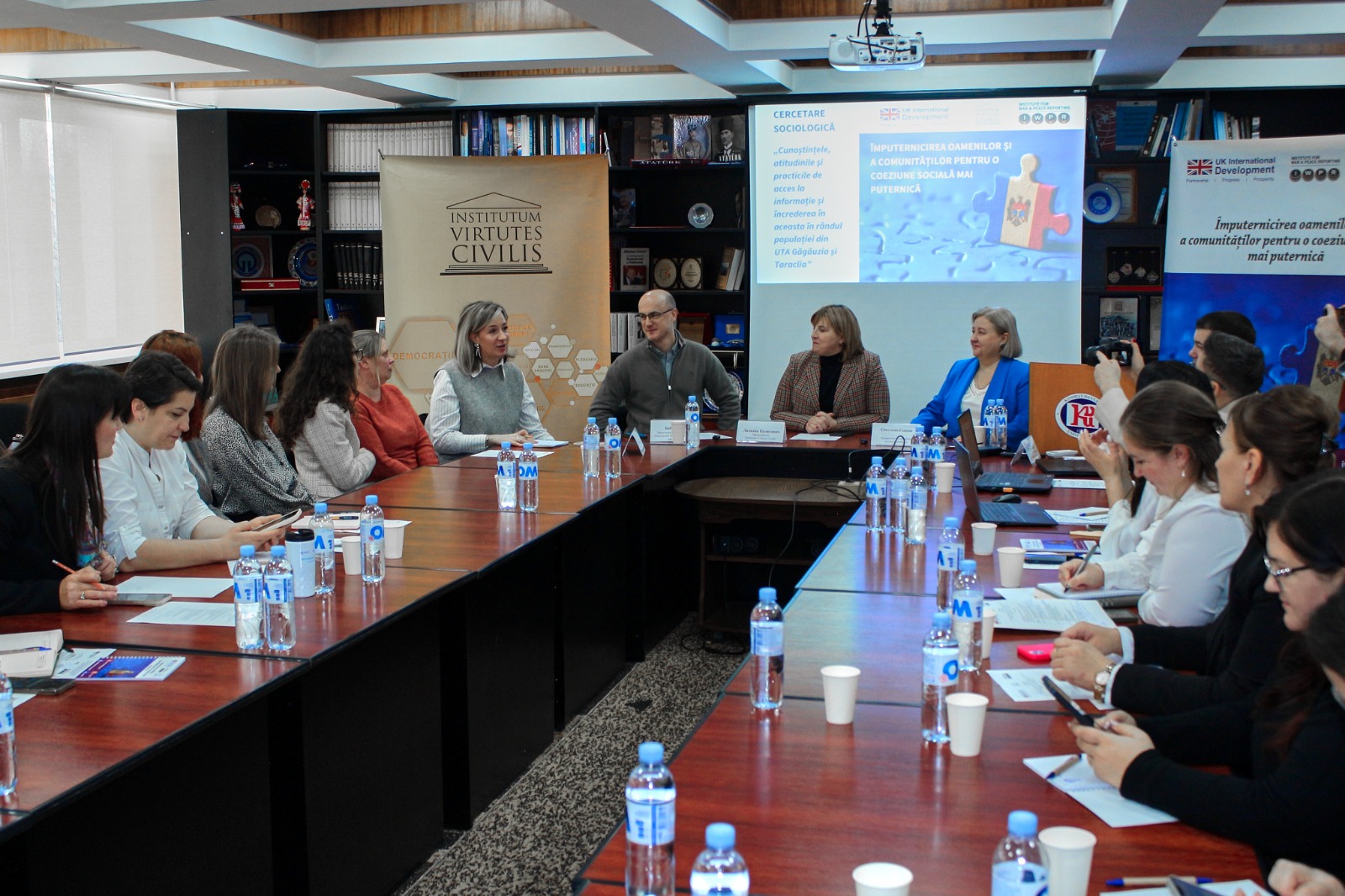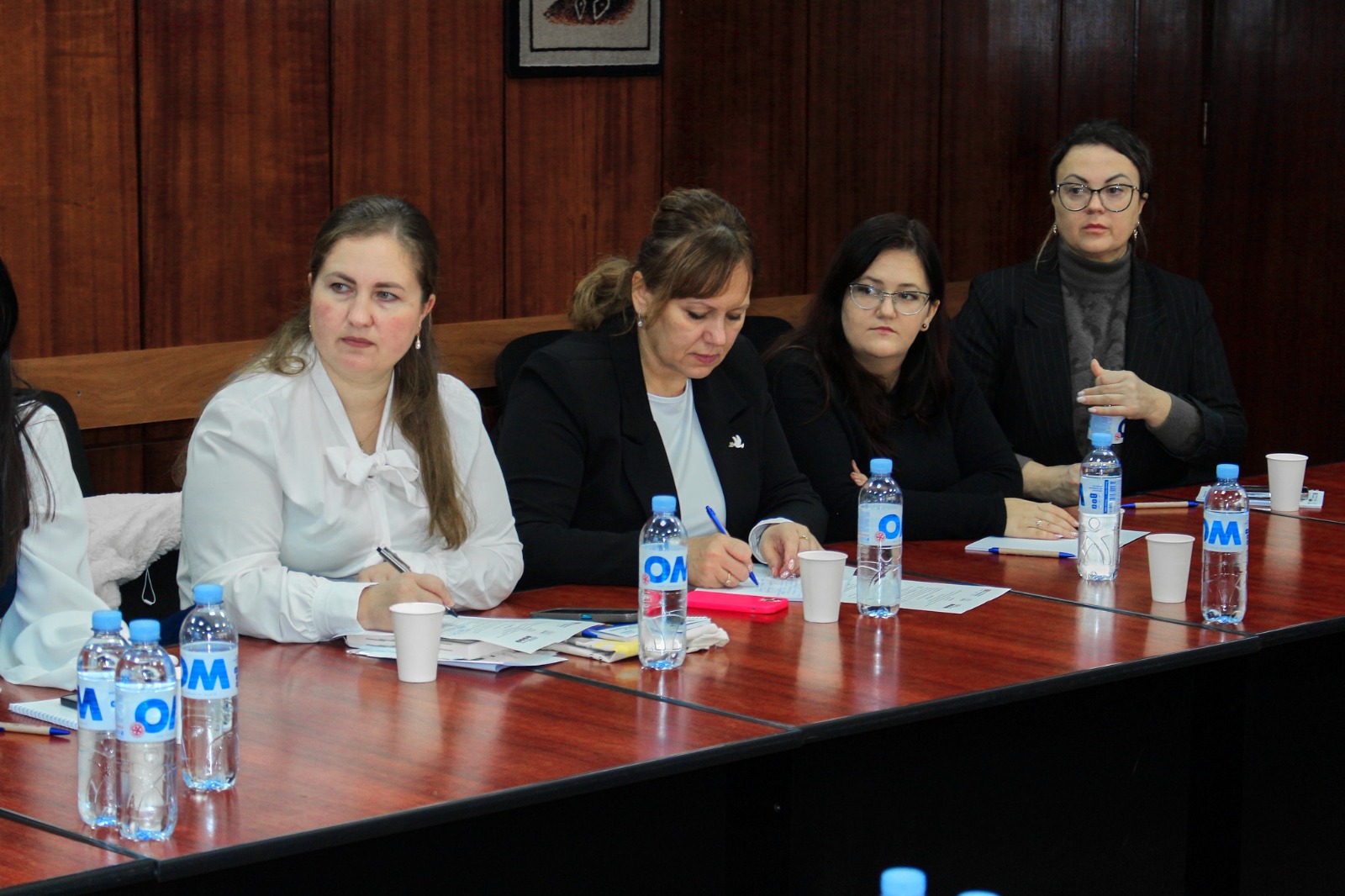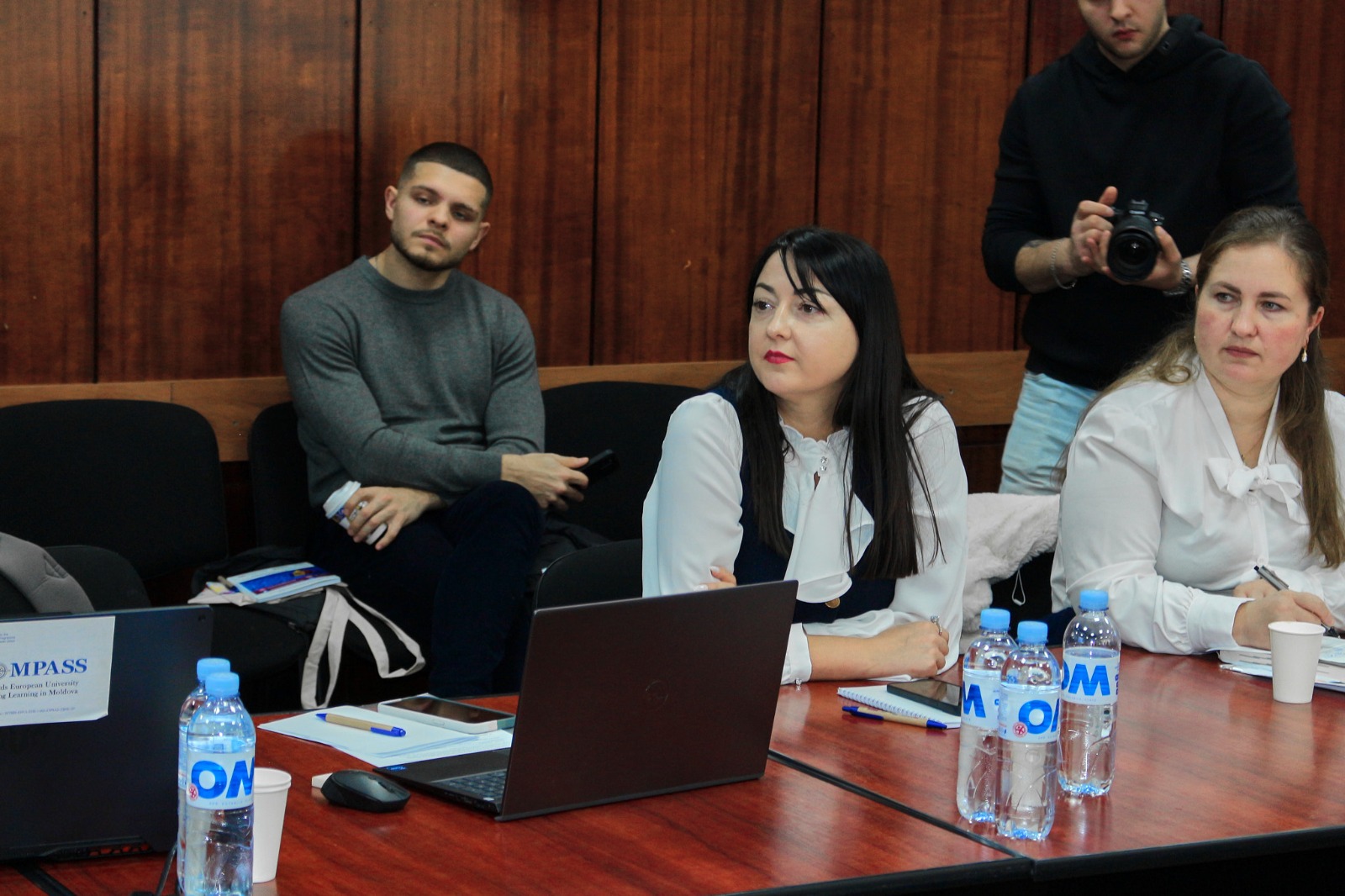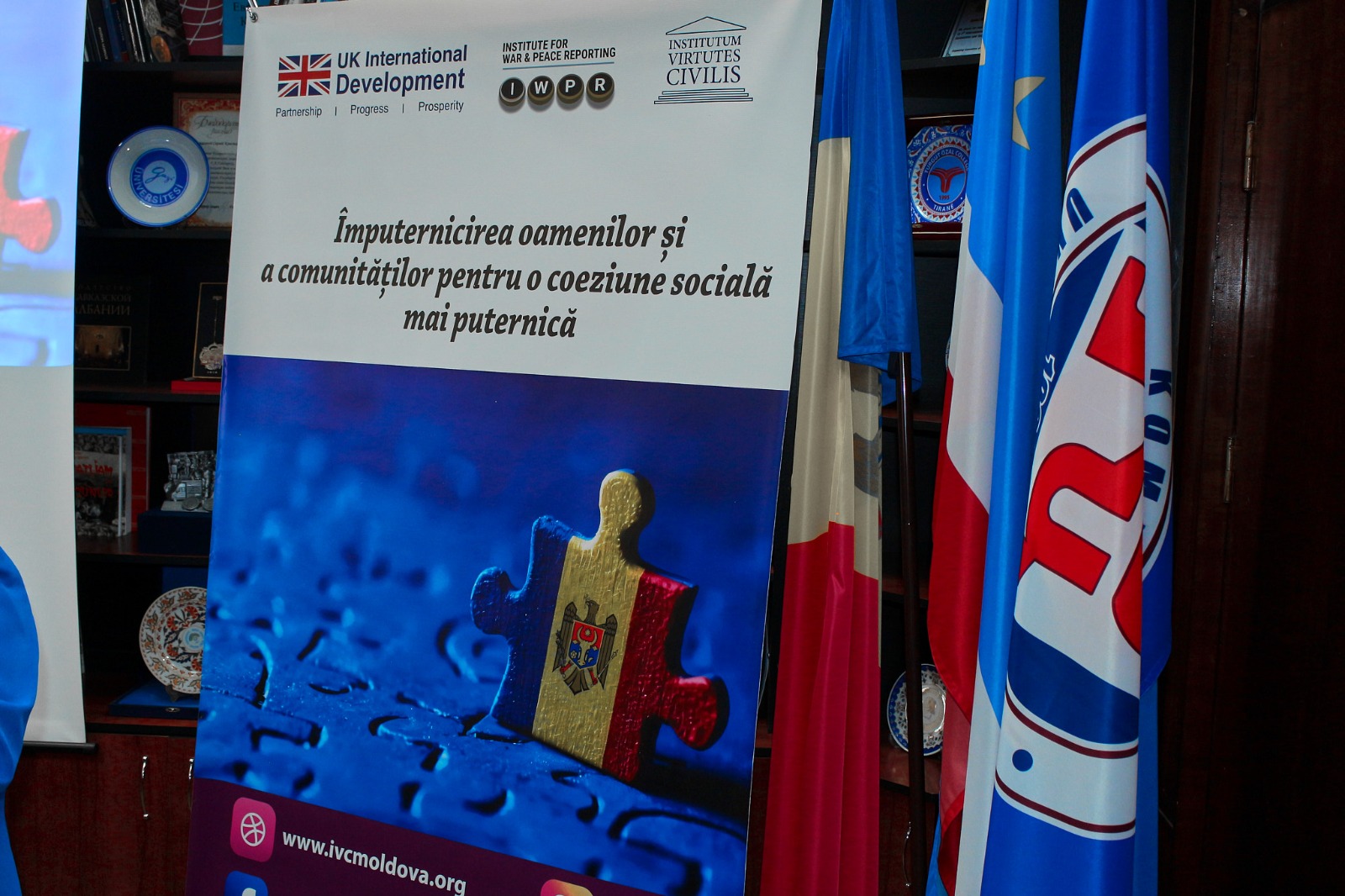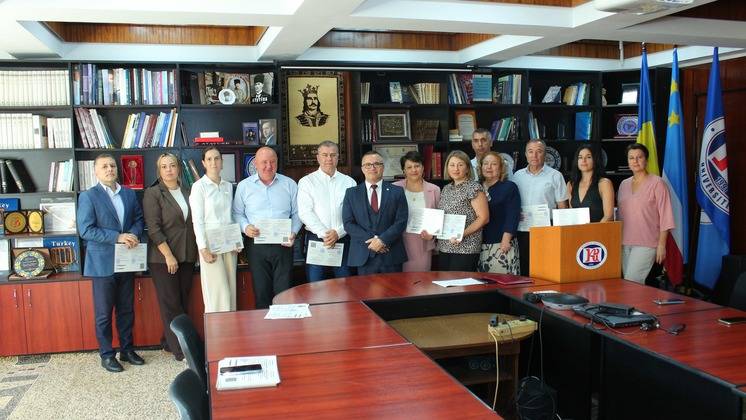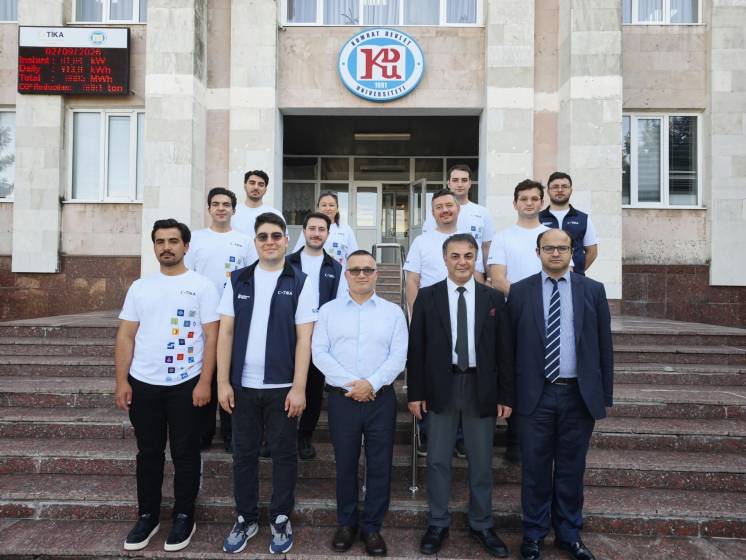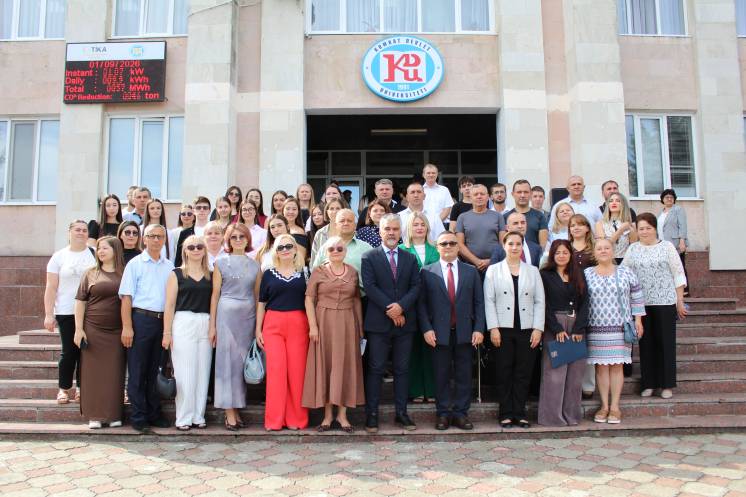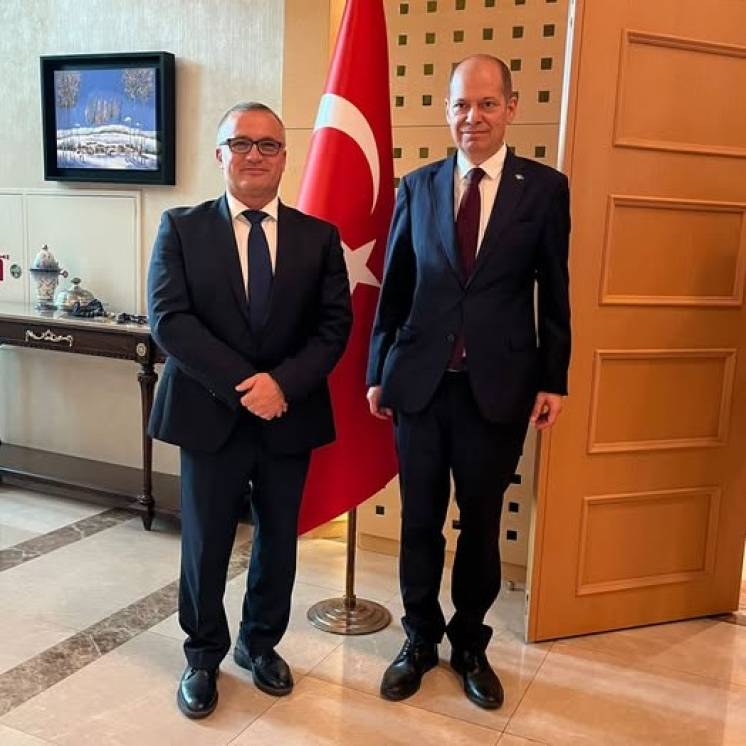




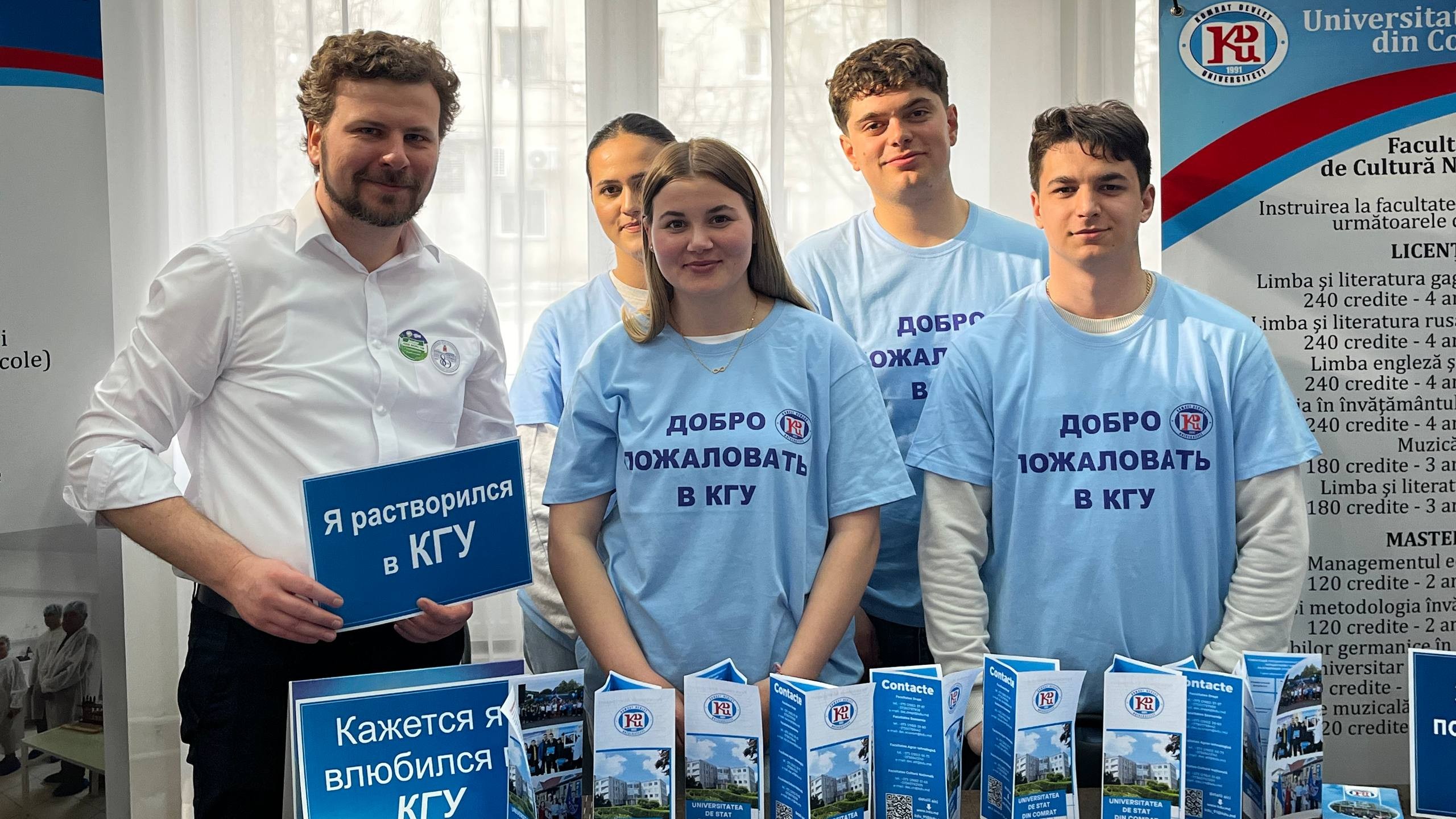



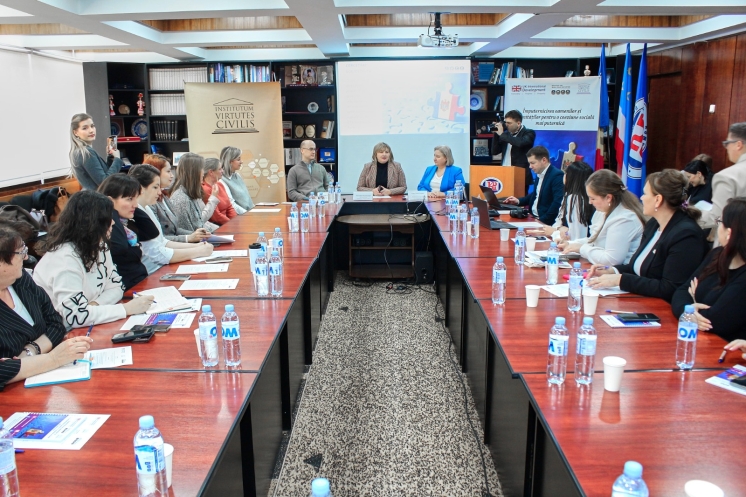

On December 18, 2025, a round table was held at Comrat State University dedicated to the presentation and discussion of the results of the sociological study “Knowledge, Attitudes and Practices of Access to Information and Trust in It” among the population of Gagauzia and the Taraclia district. The event began with participant registration and a welcome coffee break. Welcome remarks were delivered by Liliana Palihovici, Chairperson of the Institutum Virtutes Civilis Association, Bob Easton, Deputy Head of Mission of the British Embassy in Moldova, and Tatiana Kebak, BREN Programme Manager. During the round table, the results of the sociological research conducted by the Institutum Virtutes Civilis Association (IVC) were presented. The data were presented by Ruslan Sintsov, sociological research consultant. The study was carried out on a representative sample of 408 adult residents of Gagauzia and the Taraclia district using computer-assisted personal interviews (CAPI) between November 28 and December 8, 2025. The research and its presentation at Comrat State University were organized within the framework of the project “Empowering People and Communities to Strengthen Social Cohesion”, implemented with the support of IWPR and the Government of the United Kingdom. According to the findings, 83% of respondents consider disinformation a problem in the Republic of Moldova; 46% admit that they find it difficult to distinguish truthful information from false information, and nearly 60% take no action when encountering questionable content. Only 37% of respondents follow the news daily, while 42% obtain information mainly from social media and 56% from friends and family, indicating a high dependence on informal sources. The level of trust in central institutions and national media remains low: about half of respondents do not trust Moldovan media in the Romanian language or the official communication of central authorities, preferring regional and external sources of information. The study also paid particular attention to issues of gender equality and social cohesion. Only 16% of respondents believe that women enjoy full equality, while 62% consider that cultural and traditional norms justify the dominant role of men. Although more than 80% rely on family and close circles in times of crisis, only 38% believe that people in their community genuinely care about one another. The discussion session was moderated by Lilia Barbarosh, communications expert. Participants discussed the impact of information space fragmentation, low trust in institutional communication, and limited critical thinking skills on social cohesion and resilience to disinformation. As noted by Liliana Palihovici, the research results point to a serious deficit of trust and information evaluation skills, which directly affects communities’ ability to counter manipulative narratives. Bob Easton, in turn, emphasized the importance of investing in media literacy, quality regional journalism, and institutional dialogue as key elements of the democratic security of the Republic of Moldova. At the conclusion of the event, it was noted that the research findings are of practical value for the development of national and regional policies in the areas of strategic communication, media education, gender equality, and strengthening social cohesion.
A summary of the study is available on the official website of the Institutum Virtutes Civilis Association: www.ivcmoldova.org.