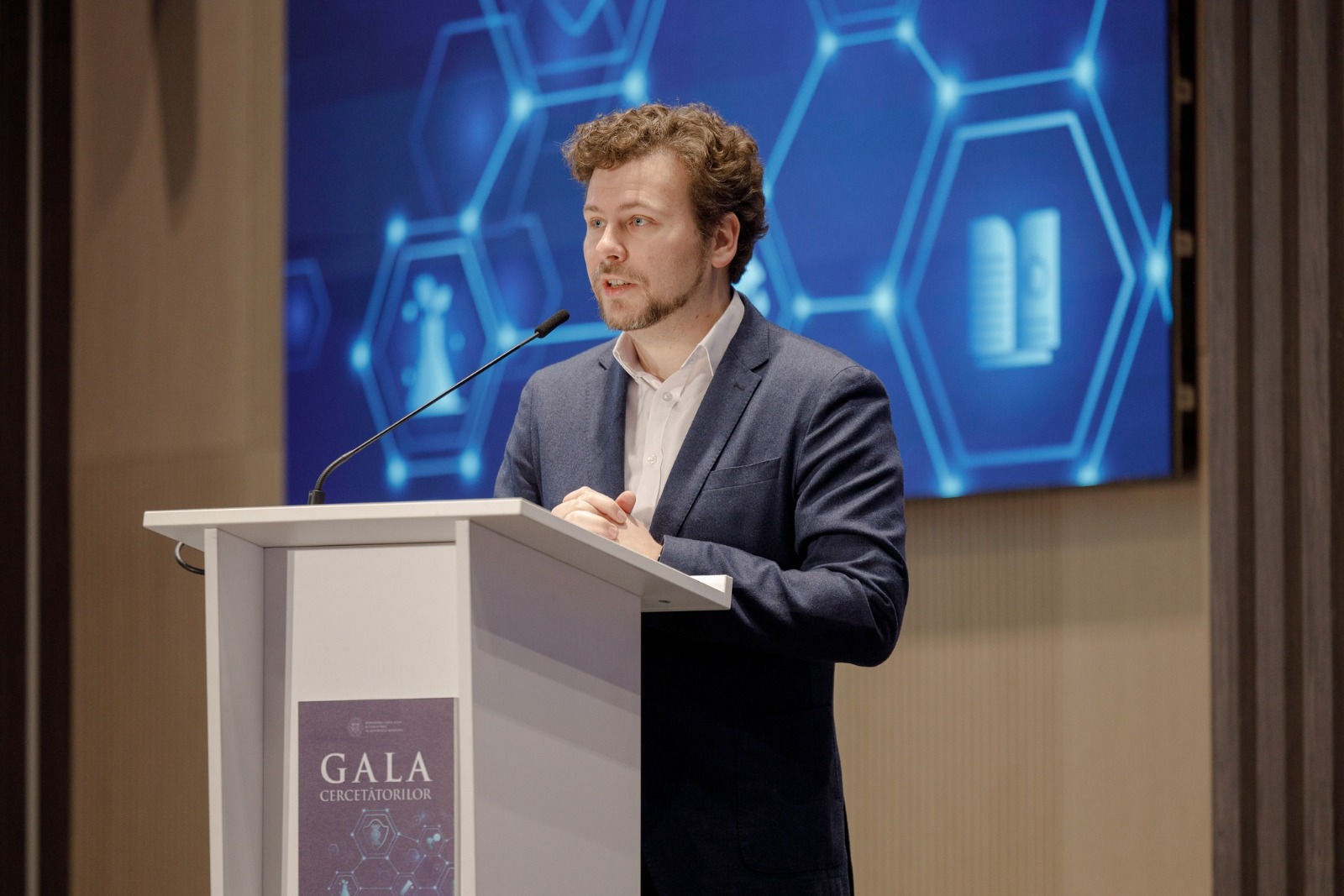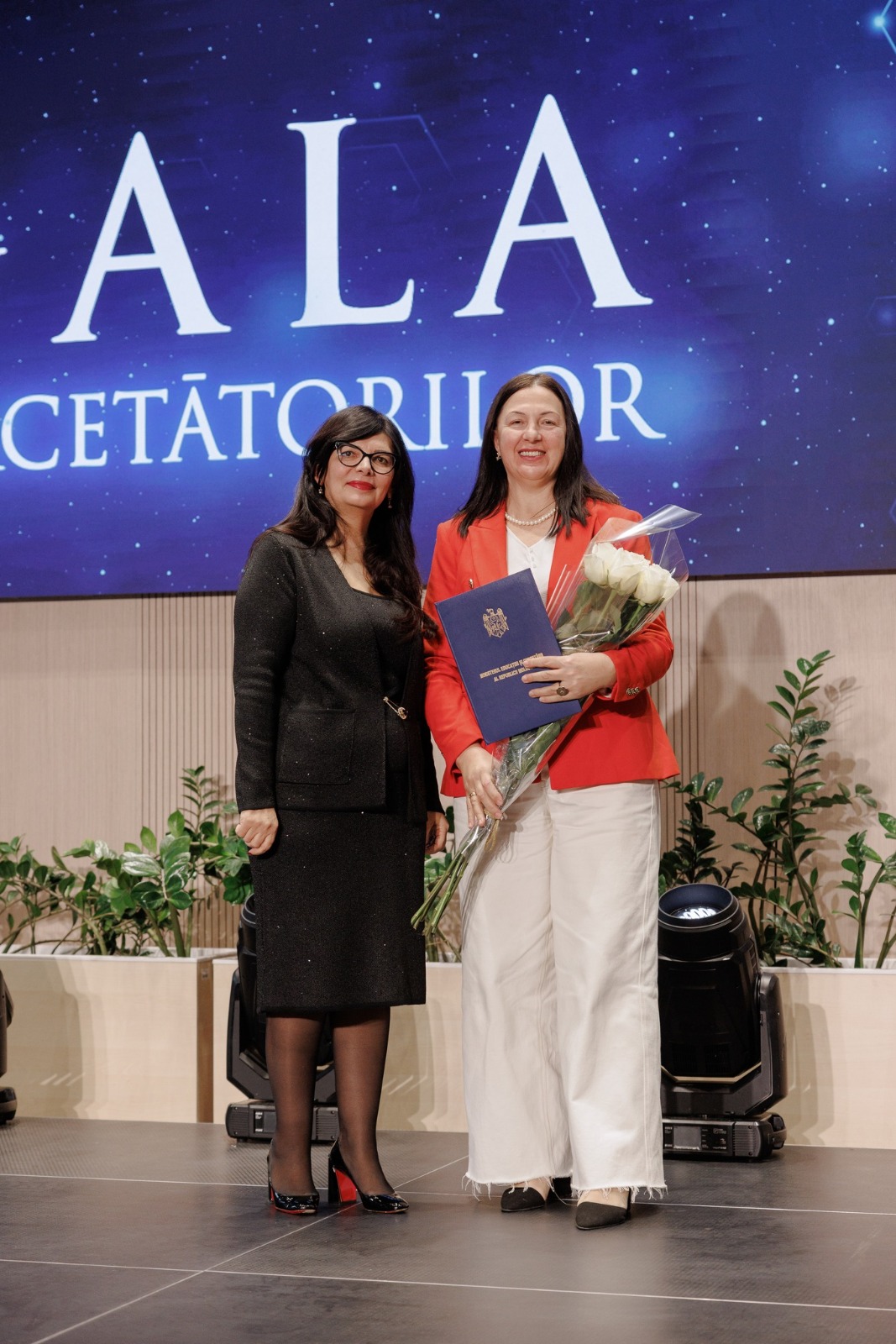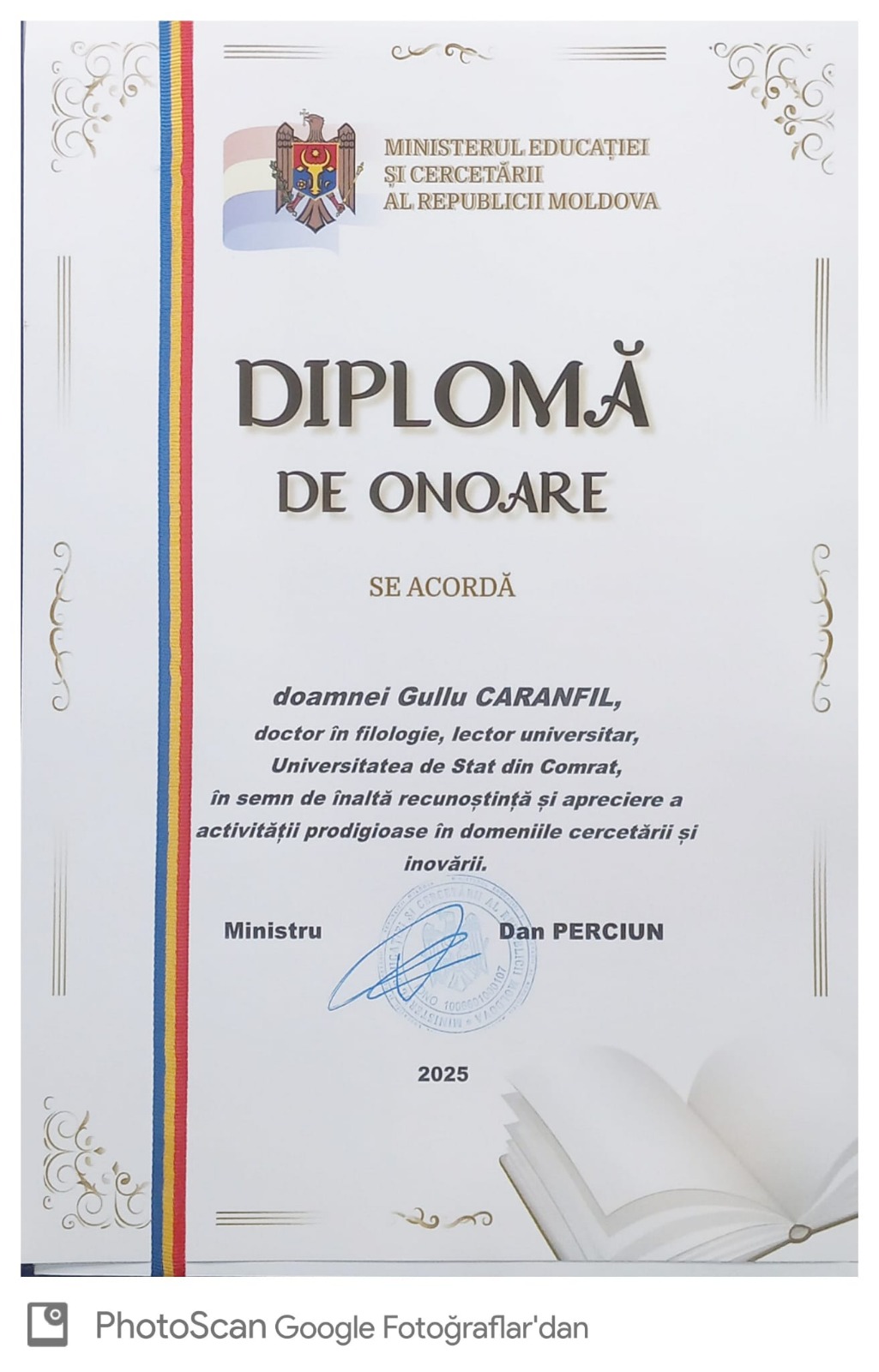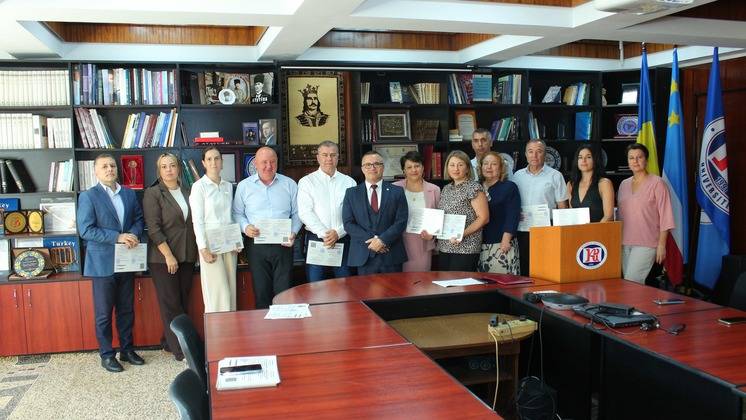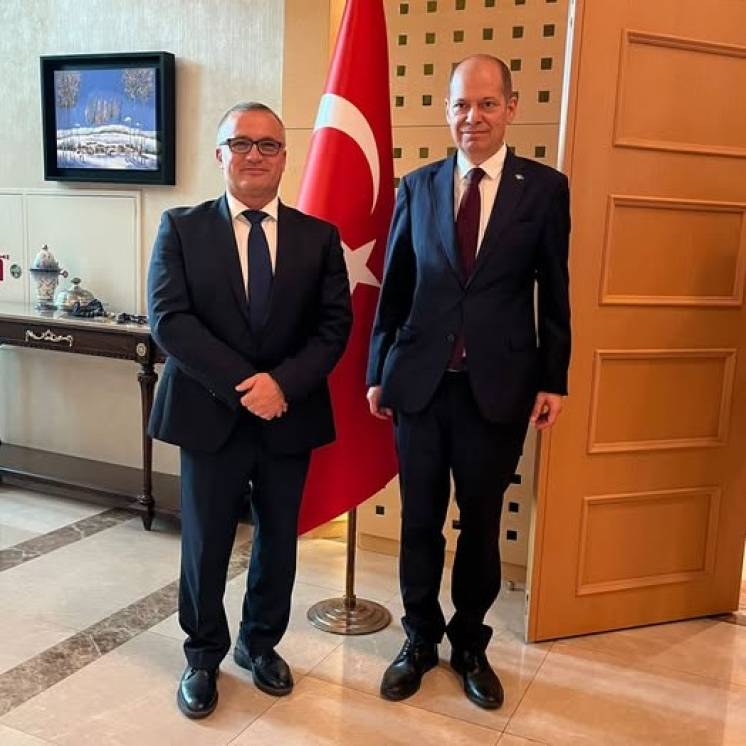






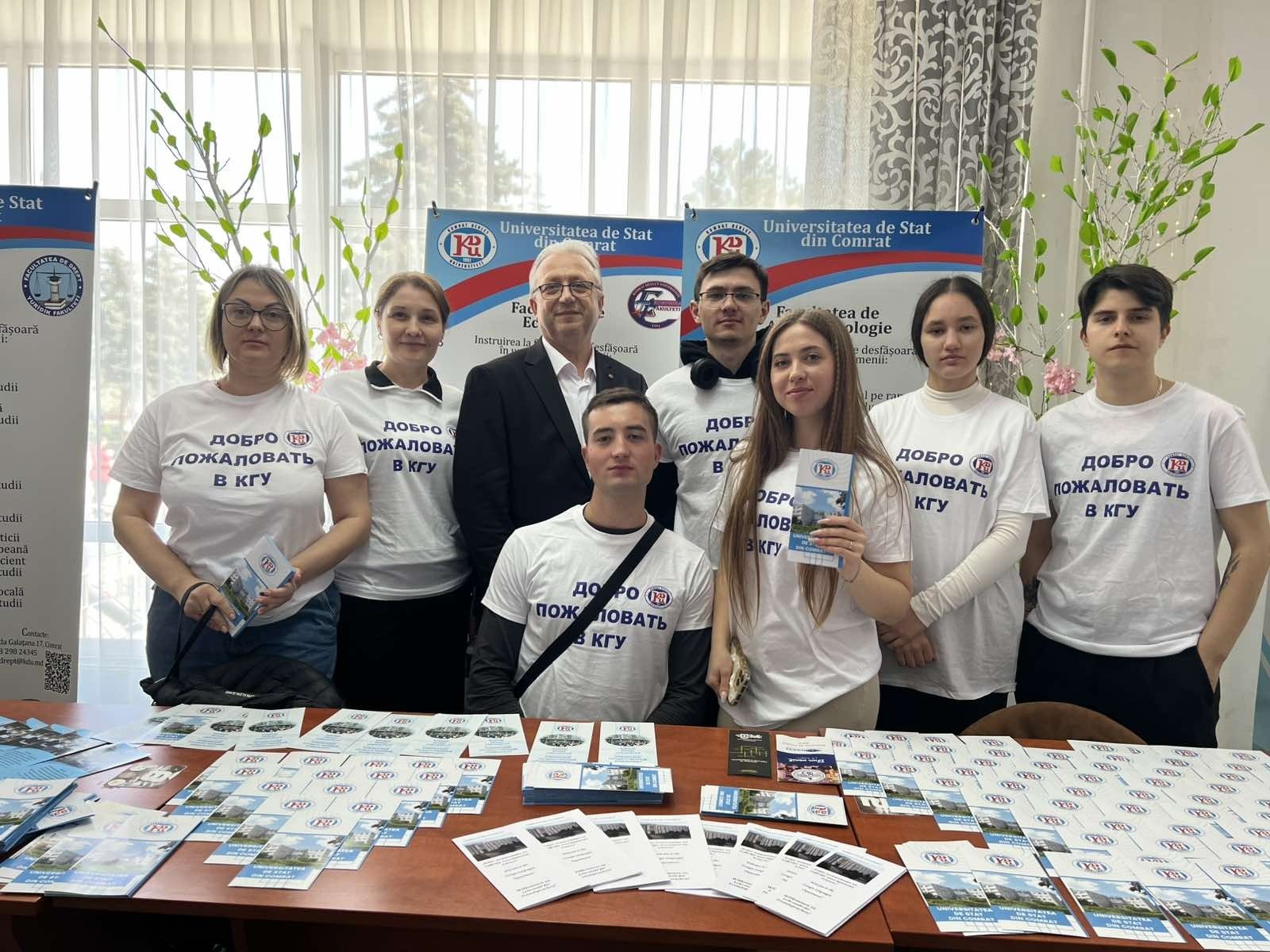

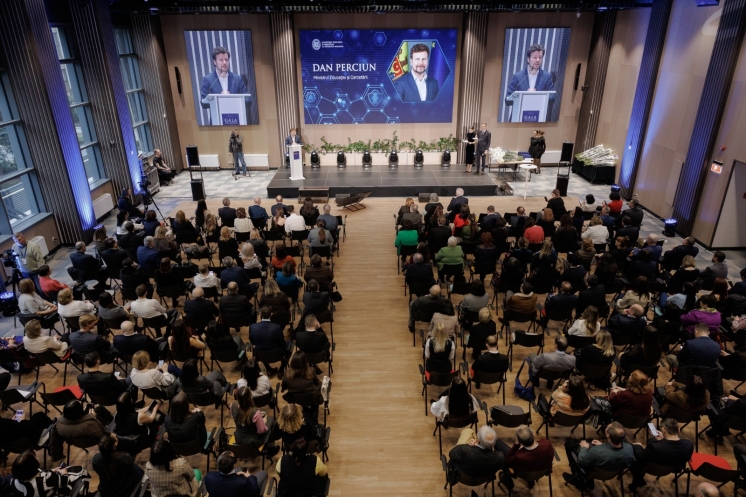

On December 20, 2025, researchers from Comrat State University — Levitskaia A., University Professor, Doctor Habilitat of Economics, Karanfil G., Lecturer, Doctor of Philology and Cerga T., Associate Professor, Doctor of Economics— took part in the festive ceremony Gala Cercetătorilor 2025, a traditional event organized by the Ministry of Education and Research of the Republic of Moldova. Within the framework of the Gala, the achievements of the national scientific community were recognized: 53 researchers were awarded diplomas of the Government of the Republic of Moldova and of the Ministry of Education and Research of the Republic of Moldova. In his address, the Minister of Education and Research, Mr. Dan Perciun, emphasized that scientific research is a team-based and long-term endeavor that requires rigor, courage, and perseverance. He noted that the decisions taken in 2025 — including substantial increases in salaries and scholarships, investments in innovation, research infrastructure, and European integration — represent a clear signal of respect for the work of Moldovan researchers and confidence in the development of science in the country. In 2025, the Ministry of Education and Research of the Republic of Moldova implemented a series of measures aimed at strengthening the national research and innovation system. In particular, remuneration standards for participants in research, innovation, and technology transfer projects — project leaders and coordinators, research team members, as well as technical and support staff — were doubled. Special attention was given to supporting young researchers. Doctoral scholarships were increased more than twofold: the Government of the Republic of Moldova doctoral scholarship rose from 3,165 MDL to 6,600 MDL, while sectoral research scholarships reached 5,720 MDL. Monthly allowances for holders of scientific degrees were also significantly increased: 4,500 MDL for Doctors Habilitat and 4,000 MDL for Doctors of Science. These measures contribute to enhancing the prestige of academic careers and retaining human capital in the research sector. Currently, a new Government decision of the Republic of Moldova is under coordination, envisaging a substantial increase in remuneration for experts involved in the evaluation of doctoral and habilitation dossiers, as well as project proposals, replacing tariffs that have not been revised since 2007. To promote the transfer of research results into the economy, in 2025 the Innovation and Technology Transfer Fund was launched with a budget of approximately 35 million MDL for the first two years. The Fund supports cooperation between academia and business through project competitions and innovation vouchers. Furthermore, within the World Bank–funded project “Higher Education in the Republic of Moldova”, a distinct research component was included for the first time, providing investments in research infrastructure — a key factor for integration into the European Research Area. The Republic of Moldova is also strengthening its participation in the Horizon Europe program, including through the M-HERO project, which will support researchers and national institutions in attracting European funding. During the Gala ceremony, Lecturer, Doctor of Philology Güllü Karanfil, at the Department of Gagauz Philology and History, Faculty of National Culture of Comrat State University, was honored and awarded a Diploma of Honor of the Ministry of Education and Research of the Republic of Moldova in recognition of her outstanding contribution and fruitful activity in the fields of scientific research and innovation. In the period 2025–2026, Dr. Güllü Karanfil coordinates the implementation of the bilateral research project GAGAUZMODEL (https://kdu.md/en/science-and-international-relations/projects/projects-started-in-2025/modelgagauz-project/description-of-the-modelgagauz-project). Participation of Comrat State University researchers in Gala Cercetătorilor 2025 highlights the active involvement of the University in the development of research and innovation, as well as the contribution of its scholars to strengthening the national and European scientific space.